
 +86-13634185427

Softshell vs Hardshell Fabrics: Advantages and Disadvantages


What Features Make Softshell Fabrics Flexible and Comfortable?
Exploring the Key Characteristics of Softshell Fabrics
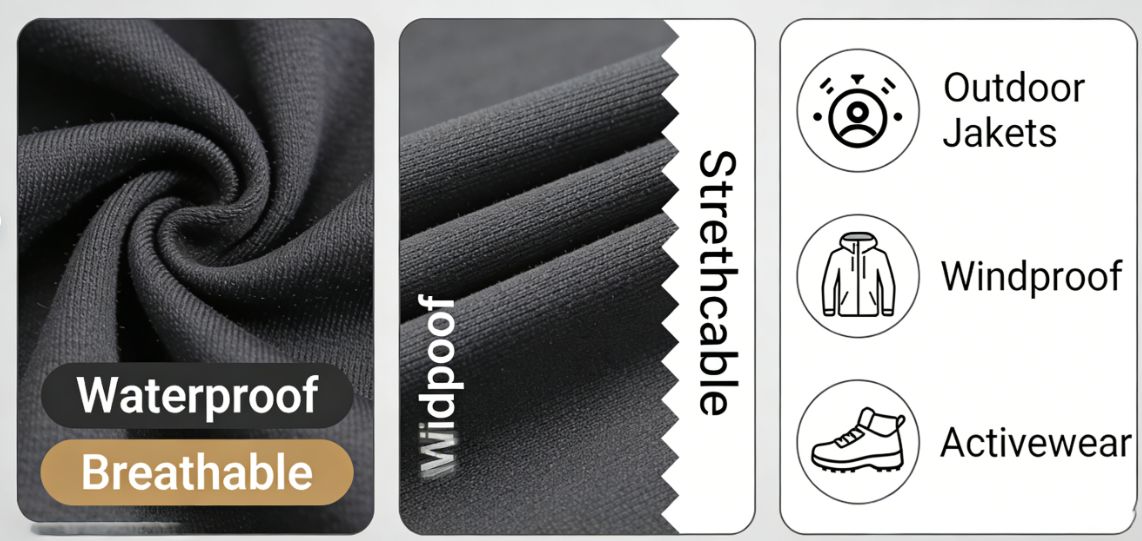
Softshell fabrics are built to offer bendiness and ease while holding onto toughness. Softshell material are usually woven from polyester or nylon mixed with stretchy threads, which create a flexible and airy setup. This suits them perfectly for outdoor gear where free motion counts a lot.

Softshells mostly resist water instead of stopping it all together. They protect from mild rain or snow. Plus, they keep air moving during hard efforts. The makeup often matches that of tech outer layers.
Their style stresses ease and adjustment, so they become a fine option for changing weather types.
When Should You Choose Softshell Fabrics?
Softshell fabrics work best for tasks needing good motion, like trail walking, rock scaling, or bike riding. Their bendy trait lets people move without bounds. At the same time, they hold fair weather cover.
They run best in soft to chilly places with low rain. They supply heat via padding and air flow without catching too much warmth. Lots of folks see softshell pieces as handy for daily dress. That’s since they join use with relaxed looks. They fit those who like outside fun such as trips or walks. In fact, they act as a Perfect outdoor coat for working, traveling, hiking, daily life or festival.
What Are Hardshell Fabrics and How Do They Protect Against Harsh Weather?
Exploring the Key Characteristics of Hardshell Fabrics
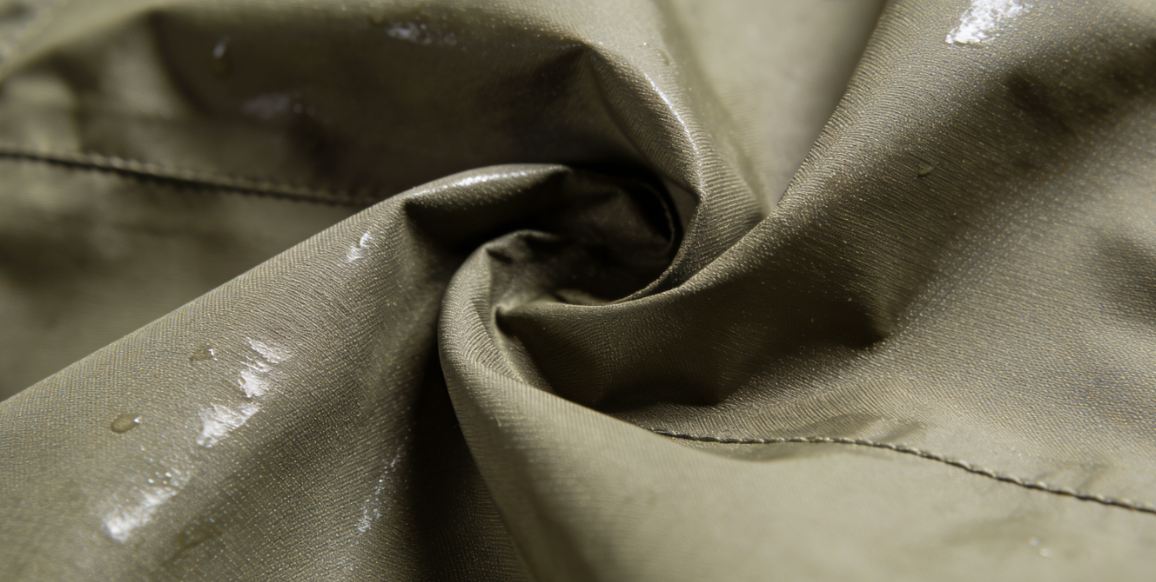
Hardshell fabrics are made to face harsh weather by giving strong waterproof and wind-stopping shield. They often have a many-layer build. In it, an outer cloth sticks to a film layer with new sticking skills.
A fitting sample of this setup is described as Double-layered fabric consists of an outer fabric and a waterproof and breathable membrane bonded together by heat. The film comes mostly from polyester or close polymers. These stop wet from entering while letting steam pass.
Usual hardshell stuff covers Gore-Tex-like films or other owned methods. These hold air flow and make sure of full weather block.
When Should You Choose Hardshell Fabrics?
Hardshell fabrics rank as the top pick for areas with big rains, snow blasts, or hard winds. They give total guard against wet entry. And they prove vital for actions like mountain climbing, snow sports, or high trips where rough parts can’t be avoided.
These clothes often add more layers for padding. Some fill with fake fibers much like Fake down is commonly used to make lightweight, insulated outerwear, vests, and down jackets. This kind of adding keeps heat without hurting waterproof work.
Comparing the Advantages of Softshell and Hardshell Fabrics
Benefits of Softshell Fabrics for Outdoor Gear
Softshell fabrics stand out in ease and airiness for lively doings. Their stretchy side permits active motion without holds. The woven form pulls sweat off well, so the user stays dry in even efforts.
They weigh little and pack tight. This fits travel or outside quests where space saving helps. And since they mix purpose with everyday appeal, softshell coats switch smoothly from town tasks to nature ventures.
Benefits of Hardshell Fabrics in Harsh Conditions
Hardshell fabrics bring unbeatable block from wind and wet due to their stuck films. This makes sure of full dry in heavy showers or deep snow setups. Their sturdy build also sets them against rubs from stones or tools in tough trips.
Lots of hardshell plans add inside covers from net or polyester. As double-layered jackets typically have an inner lining, usually made of mesh or thin polyester. This lifts ease while keeping guard whole.
Analyzing the Disadvantages of Each Fabric Type
Drawbacks of Softshell Fabrics You Should Consider
Even with their range, softshells show slim waterproof skills against hardshell choices. Long contact with rain can cause soaking. That’s because most count on outer fixes rather than full-stop films.
They also do poorer in icy cold. Their padding stays small next to thicker shell plans for bad chill.
Limitations of Hardshell Fabrics in Everyday Use
The big issue with hardshells is their cut air flow. Strong body work can spark too much heat from slim air paths in the stuck layers. On top of that, hardshell clothes often feel heavier and stiffer than softshell ones. These traits can cut ease in long dress under soft setups.
How Does INVIDIA TEXTILE Contribute to the Fabric Industry?
Discover INVIDIA TEXTILE’s Innovative Product Range
At INVIDIA TEXTILE, we focus on making both softshell and hardshell fabrics fit for wide uses. These go from light outer clothes to pro-level mountain tools. Our goods blend fresh thinking with real sense by adding new thread tech that boosts toughness, stretch, and wet check.
We keep tuning our making ways with views from current cloth building ideas. These look like those in strong composites where Double-layered fabric consists of an outer fabric and a waterproof and breathable membrane bonded together by heat. This path lets us build flexible items for varied weathers and action types.
Our set has special covers that raise water push away without losing soft feel. This mirrors our pledge to match ease with top work.
We also pull ideas from our other new works like Winter’s Soft Armor for the Modern Woman. This shows our focus not just on tech dress but also on fine looks over all cloth kinds.
FAQ
Q: Which is better for everyday use, softshell or hardshell fabrics?
A: Softshell fabrics are generally better suited for daily wear due to their flexible construction and breathable comfort. They adapt well to changing conditions while maintaining a stylish appearance suitable for urban environments.
Q: Can hardshell fabrics be used in warm climates?
A: While hardshell fabrics offer exceptional rain protection, they may not be ideal in hot climates because their lower breathability can cause discomfort during extended use under high temperatures.
Q: How do I maintain my softshell jacket’s water resistance?
A: To preserve your garment’s performance over time, regularly apply a durable water repellent (DWR) treatment after washing according to manufacturer guidelines. This helps restore surface tension so water beads off effectively instead of soaking into the fabric layers.
Q: What makes INVIDIA TEXTILE’s products stand out?
A: We focus on combining innovation with craftsmanship—creating high-quality softshells designed for flexibility alongside robust hardshells engineered for extreme protection—all supported by continuous research into advanced textile technologies that meet modern performance demands.
Q: Are there eco-friendly options available within your product line?
A: Yes, we actively explore sustainable production methods using recyclable fibers and environmentally responsible coatings without sacrificing durability or functionality across our entire range of technical fabrics developed at INVIDIA TEXTILE.
