
 +86-13634185427

DWR Jacket vs. Waterproof Jacket: What’s the Difference and Which Do You Need?


Comparing DWR Jackets and Waterproof Jackets
What Does “Durable Water Repellent” Actually Mean?
When discussing outerwear, understanding what is durable water repellent (DWR) is essential. A durable water repellent coating is a chemical treatment applied to the outer surface of fabrics. This treatment makes water bead up and roll off rather than soak in. The durable water repellent meaning lies in its ability to resist light moisture while maintaining breathability. Unlike fully waterproof materials, DWR coatings work in a different way. Those materials stop all liquid from passing through. DWR coatings instead let air flow through them. This helps garments feel more comfortable during active use.
This treatment cuts the surface tension of the fabric. Water drops, therefore, stay round. They roll off instead of spreading. A DWR finish boosts protection from light rain or splashes. Still, it does not make the garment fully waterproof. The distinction between water-repellent and waterproof technologies lies in construction. Waterproof jackets feature sealed seams and impermeable membranes designed for total protection.

How Do DWR Jackets Work in Wet Conditions?
DWR jackets rely on surface tension principles. When new, their DWR coatings create a beading effect. Raindrops stay on the fabric surface. They do not soak through. Dirt builds up over time. Skin oils from regular contact add to this. Constant rubbing makes the effect stronger. These factors slowly weaken the protection. The fabric then absorbs water fully. Water stops forming beads. As a result, air moves through the material much less freely.
To restore performance, users must reapply DWR using spray-on or wash-in products. The question of how long DWR lasts depends on usage intensity. Usually, reproofing is needed after 20 to 30 washes. It can also become necessary after long exposure outdoors. Sometimes the heat from a tumble dryer helps bring back some of the remaining water repellency once you finish cleaning. Yet, eventually, a fresh, durable water repellent treatment will be required to maintain optimal function.
Key Features That Distinguish Waterproof Jackets from DWR Jackets
Waterproof jackets differ primarily in structural design. They incorporate laminated or coated membranes such as ePTFE or polyurethane. These membranes physically block moisture ingress. Sealed seams prevent leakage at stitching points. This critical feature is absent from most DWR-only garments. The construction ensures reliable protection even under prolonged rainfall or snow.
Breathability differs too. Some waterproof shells come with vents or membranes that let air through. But these often hold more warmth compared to light DWR options. When it comes to lasting through steady rain, waterproof models hold up better. Their barrier remains effective regardless of surface wear.
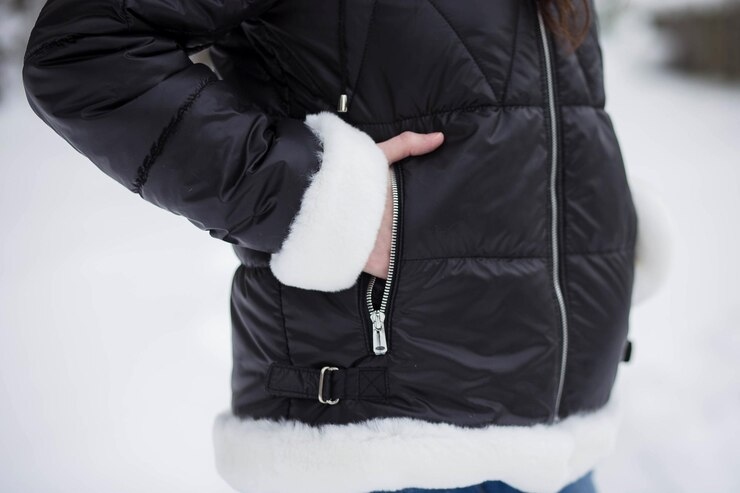
Perfect outdoor coat for working,traveling, hiking, daily life, or festival. This idea fits how the two jacket types handle separate weather conditions. DWR jackets offer solid versatility. They also bring comfort for daily wear. Waterproof options focus on strong endurance. They stand up well to harsh climates.
Evaluating Performance: Which Jacket Suits Your Needs?
When Should You Choose a DWR Jacket?
A DWR jacket works well in gentle rain. It also suits misty mornings. Or brief outings like your daily commute and easy hikes. This jacket brings key benefits. It weighs less than other options. It bends with more ease. And it allows better airflow than tough outer layers. People who want ease in mild weather will like it. They can move freely too. So it makes a solid pick.
To extend its lifespan, avoid harsh detergents that strip away protective finishes. Periodically re-treat with a durable water repellent coating product when beading diminishes. Gentle washing and low-heat drying help preserve performance over time.
When Is a Waterproof Jacket the Better Option?
A rainproof jacket proves essential in strong rain showers. It also helps during extended hikes through hills. Or during journeys across snowy grounds. Getting soaked is likely in these places. Such jackets rely on several fabric layers. They include taped seams as well. This approach stops blowing rain effectively.
They deliver strong protection. Yet these shells allow less airflow. They also pack up more bulkily. Outdoor professionals often add a breathable base layer underneath for better comfort. This approach regulates body temperature efficiently during intense activity.
Fabric Technology Behind Water Resistance
How Are DWR Coatings Applied During Manufacturing?
In textile production, manufacturers apply DWR coatings through chemical finishing processes. These processes include spray application or immersion baths. Heat curing is used to bond molecules onto fibers permanently. Modern factories increasingly adopt eco-friendly, fluorocarbon-free solutions. They reduce environmental impact while maintaining hydrophobic efficiency.
New advances help fabrics keep their soft feel and bright colors after many washes. This mix of eco-friendly choices and strong performance meets what buyers want now. People value both easy comfort and care for nature.
What Factors Affect the Longevity of Water Resistance?
The question of how long DWR coating lasts depends largely on maintenance habits and environmental exposure. Abrasion from backpack straps or uneven surfaces slowly erodes the protective layer over time. Softeners found in many detergents can reduce repellency even more. They achieve this by depositing residues that draw in moisture. Intense heat can also degrade the polymer bonds too soon.
To maximize durability, follow these steps. Wash garments with specialized cleaners. Avoid fabric softeners. Tumble dry briefly on low heat to reactivate existing repellency.
INVIDIA TEXTILE’s Contribution to Advanced Outerwear Fabrics
Innovative Solutions from INVIDIA TEXTILE
At INVIDIA TEXTILE, we specialize in crafting high-performance outerwear that merges style with advanced protection technologies. Our expertise extends beyond design. We conduct rigorous material testing, including water pressure and fastness tests, upon receipt. This ensures every fabric meets stringent waterproof standards suitable for outdoor use.
Our seamless welding technology enhances local waterproof performance. It bonds seams without traditional stitching. This method is ideal for ski wear and technical windbreakers requiring lightweight yet durable construction. As part of our commitment to sustainability, we continually explore eco-conscious, durable water repellent treatment methods. These methods reduce chemical emissions while maintaining superior repellency levels.
With over 15 years of experience as an OEM apparel factory partner for global brands, we provide end-to-end customization. Concept sampling occurs within 5–7 days. Full-scale production follows with strict quality control protocols. These protocols ensure consistency across every order.
FAQ
Q: Is a DWR jacket good enough for hiking or camping trips?
A: In calm conditions or on brief outings with gentle rain, a DWR jacket offers solid shielding. This jacket keeps strong airflow. It also provides comfort throughout the wear.
Q: How often should I reapply a durable water repellent treatment?
A: Typically, every 20–30 washes or when you notice reduced water beading. Frequency may vary depending on usage conditions.
Q: Can I combine a waterproof shell with a DWR layer for better performance?
A: Yes, many high-end garments use both. A waterproof membrane sits underneath, and a DWR finish covers the outside. This combination enhances overall weather resistance and durability.
