
 +86-13634185427

OEM vs ODM Puffy Jacket Manufacturing: Which Is Better for Your Brand?


A puffy jacket program can follow two very different development routes. OEM manufacturing suits a brand that already controls the product design and needs a factory to execute an approved specification. ODM manufacturing adds more development support when the buyer starts with a market, price position, or visual direction rather than a complete technical package. Neither route is automatically better. B2B buyers should compare design readiness, internal product-development resources, material complexity, sample expectations, and approval responsibilities before choosing a model.

What Is the Difference Between OEM and ODM Puffy Jacket Manufacturing?
How Does OEM Manufacturing Work for a Puffy-Jacket Brand?
Under an OEM arrangement, the buyer normally brings a developed concept: silhouette, measurements, construction details, shell, lining, filling, trims, labels, and packaging requirements. The manufacturer sources or confirms the specified materials, makes samples, and prepares the approved design for production. This route gives the brand greater control, but the technical brief must be coherent. A puffy jacket cannot be reproduced accurately from a mood board alone when baffle spacing, fill distribution, hood shape, cuff construction, and fit remain undefined.
What Does ODM Add to Insulated Outerwear Development?
ODM begins with a less complete brief. A buyer may define the target customer, climate, price architecture, intended use, and preferred appearance, then ask the manufacturer to help shape a workable product plan. Development can include material suggestions, construction options, sample preparation, and revisions. The buyer still approves the outcome. ODM does not remove the need for a clear commercial objective; the added value comes from turning that objective into a sample that can be evaluated and corrected.
Which Puffy-Jacket Manufacturing Model Gives a Brand More Control?
When Is OEM Better for a Detailed Puffy-Jacket Brief?
OEM is usually the clearer choice when the brand owns a proven block, a complete measurement chart, tested materials, approved components, and established labeling rules. It also suits repeat programs where consistency matters more than exploring new concepts. The buyer should specify tolerances and test requirements rather than expecting a supplier to infer them. Greater control also means greater responsibility: unclear specifications, conflicting reference samples, or late material changes can create delays and inconsistent results.
When Can ODM Reduce Puffer-Jacket Development Work?
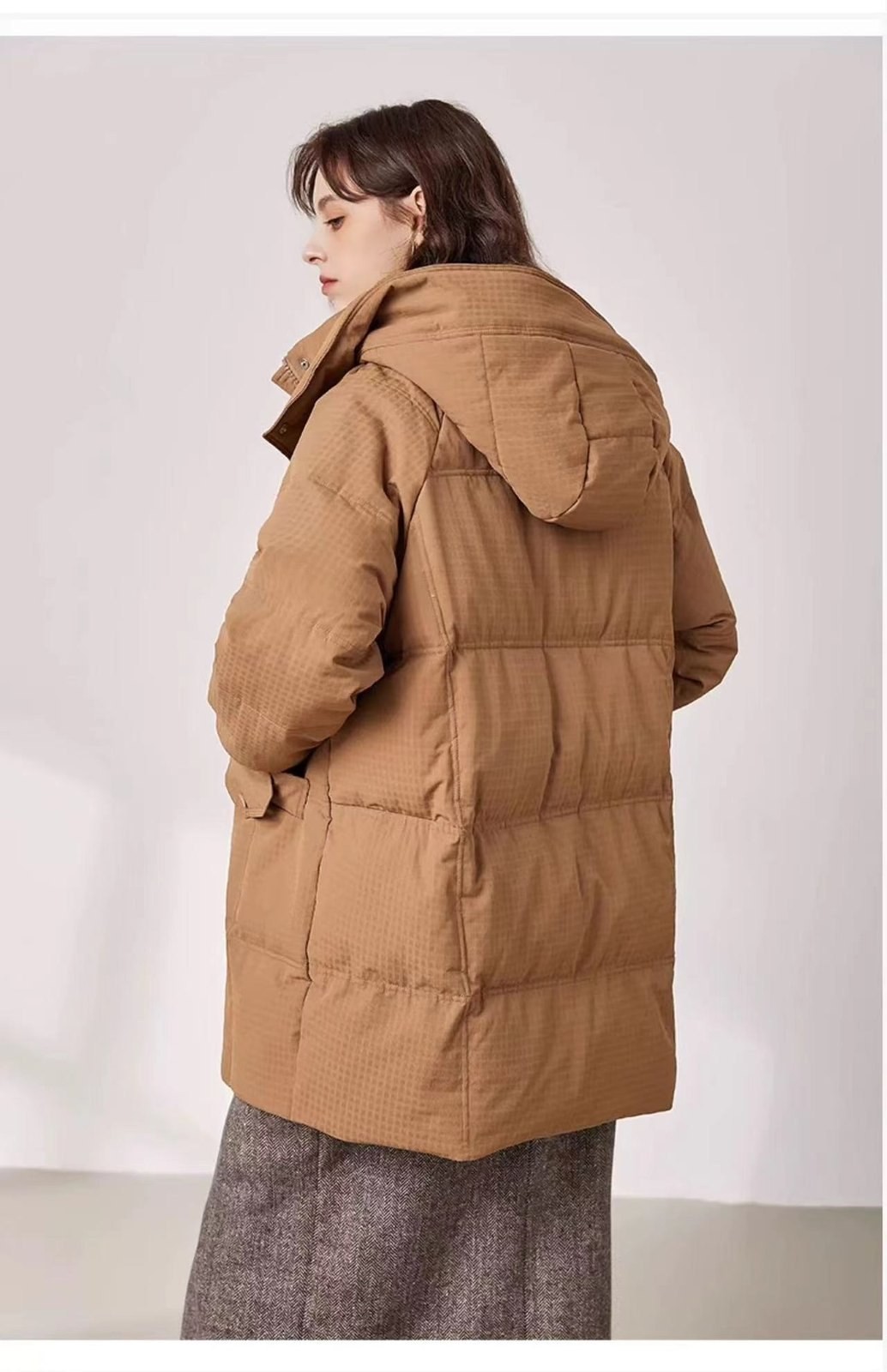
ODM can help a smaller product team move from an assortment gap to a manufacturable proposal. For example, the brand may know that a lightweight transitional puffer is needed but may not have fixed the quilting layout, fill type, trim package, or length. A structured ODM discussion can narrow those choices before sampling. This route is most useful when the buyer provides firm market boundaries and gives timely feedback; open-ended requests for a “best seller” do not replace product strategy.
How Do Puffy-Jacket Materials, Samples, and Production Stages Affect the Decision?
What Belongs in a Puffy Jacket Material Brief?
A puffy jacket material brief should separate the shell, lining, filling, finish, and trims. Commercial product examples include nylon shells with polyester linings, down-and-feather filling, and polyester-padded alternatives. These are possible constructions rather than one universal formula. Buyers should also define fabric weight, hand feel, color, care method, migration control, desired bulk, and any required test method. Weather language must follow the selected fabric and finished construction; a quilted appearance alone does not prove waterproof or windproof performance.
Why Do Puffy-Jacket Counter Samples and Pre-Production Approval Matter?
A disciplined development sequence moves from the inquiry and product plan to material procurement, counter or fit samples, revisions, and a pre-production sample made with the approved fabric and accessories. Each stage answers a different question. Early samples check silhouette, proportions, mobility, and construction feasibility. The pre-production sample confirms the final combination before bulk work begins.
Buyers should review measurements, quilting alignment, fill balance, closures, pocket position, label placement, appearance after handling, and packaging requirements at the appropriate approval stage.
How Should a Brand Plan Black Puffy Jackets, Fit, and Assortment?
How Should a Black Puffy Jacket Colorway Be Specified?
The word “black” is not a complete color standard. The brief should state the target shade, surface character, lining color, zipper and snap finish, logo treatment, thread color, and permitted variation between material lots. Matte nylon, glossy cloth, brushed fabric, and coated surfaces can all make the same nominal color look different. A black colorway should therefore be approved in the actual shell and trim combination, under suitable lighting, rather than from a screen reference.
Which Puffer-Jacket Fit and Range Decisions Belong in the Final Brief?
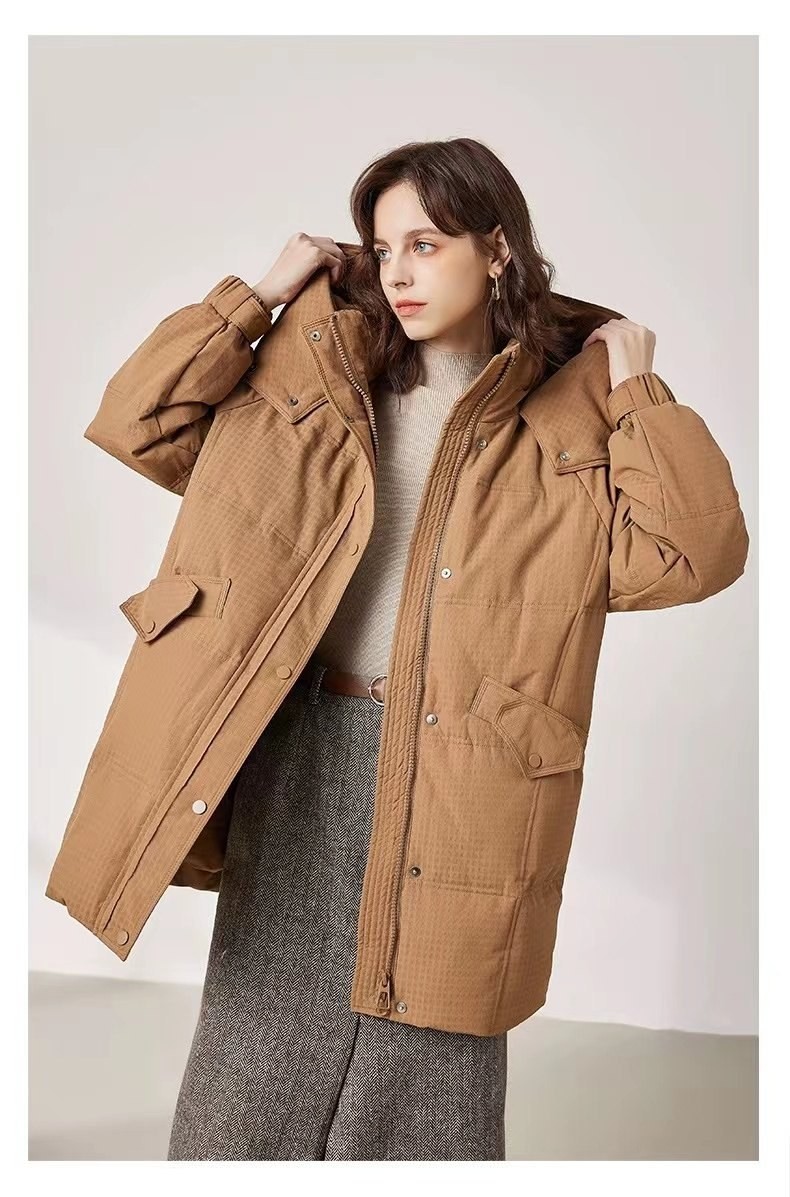
Puffy jackets in one assortment should solve different jobs. A lightweight cropped option, a core hip-length style, and a long insulated coat need separate target customers and wearing conditions. The brief should define base size, grade rules, layering allowance, shoulder shape, sleeve volume, garment length, hood construction, cuffs, pockets, and hem adjustment. Buyers should evaluate the fit with the intended underlayers. Extra volume can support comfort, but uncontrolled width or poorly graded baffles can make a range look inconsistent.
How Can INVIDIA TEXTILE Support a Customized Puffy-Jacket Program?
What Can We Customize for a Brand’s Puffy-Jacket Brief?
At INVIDIA TEXTILE, we can review sizes, colors, fabrics, styles, labels, logos, shell and lining directions, and filling options against a buyer’s intended market. Our product background includes down-and-feather and polyester-padded constructions.
We treat those examples as starting points for a custom puffy jacket program, not as fixed specifications for every enquiry. The final material, finish, construction, fit, care information, and performance claim must follow the approved brief and sample evidence.
How Do We Move from an OEM or ODM Brief to Approved Puffy-Jacket Samples?
INVIDIA TEXTILE begins with the buyer’s product concept, target market, fabric direction, style, and accessories. We source relevant materials, review foreseeable quality considerations, and prepare counter or fit samples for development decisions. Revisions can be completed before a pre-production sample is made with the approved fabric and accessories. Our team then follows the agreed production and inspection requirements.
A precise initial brief makes this route more efficient whether the project is buyer-led OEM or development-supported ODM.
FAQ
Q: Is OEM or ODM Better for a New Puffy Jacket Brand?
A: OEM is better when the brand already owns a complete, tested specification and wants close control over execution. ODM is more suitable when the team has a defined market need but requires help with product planning, materials, construction, and sample development. The approval responsibility remains with the buyer in both cases.
Q: What Is the Most Important Puffy Jacket Material Decision?
A: No single field works in isolation. Shell, lining, filling, quilting, trims, fit, care, and required performance should be assessed as one garment system. A warm fill cannot compensate for uncontrolled air leakage or a shell that does not suit the intended climate.
Q: Can One Supplier Develop Several Puffy Jackets?
A: Yes, when each style has a distinct brief and approval path. Define the role, target customer, materials, fit, price position, and testing needs for every style. Shared components can improve consistency, but repeated silhouettes without a clear commercial difference should be removed.
