
 +86-13634185427

Waterproof vs Water-Resistant Puffer Jacket Fabric: What Is the Difference?


What Makes Puffer Jacket Fabrics Waterproof or Water-Resistant?
The Basic Difference Between Waterproof and Water-Resistant Materials
There is a big difference between waterproof and water-resistant puffer jacket fabrics. While waterproof fabrics are absolutely waterproof even in heavy rain, water-resistant materials only repel light amounts of moisture and can absorb it over time. The waterproofness or water-resistance of a fabric is determined by the type of coating, the membrane, and the production technique.
As an example of great outer layers, puffer jackets can use nylon shells, which are naturally hydrophobic, meaning that they repel water and do not absorb it. The outer shell of a great puffer jacket is durable enough to make a great outer layer, while the inner lining is smooth to help enhance the comfort of the wearer. When a shell fabric such as this is treated with water repelling coatings or laminations, it can be made very waterproof for outdoor activities.

How Fabric Construction Affects Water Protection
The construction of the fabric of a puffer jacket plays a significant role in moisture resistance. Membranes are often laminated onto the fabric, creating a physical barrier to moisture by sandwiching very thin polymer layers between two layers of fabric. DWR (Durable Water Repellent) treated fibers also help to repel moisture in the form of droplets of water on the surface of the fabric, allowing them to bead up and roll off the surface of the fabric instead of seeping into the fabric and allowing the inside of the jacket to become wet.
The stitching of the seams of your jacket is also very important to its performance. The ability to manufacture garments to the highest standards includes producing items that are seamlessly welded together using the latest technology, such as our ultrasonic welding machines. The process of ultrasonic welding together means that there are no needle holes in the stitching of the seams of your jacket, which can lead to leaks in ordinary waterproof garments. This ensures that all the panels of your jacket remain waterproof and means that the jacket will continue to perform to its full potential.
How Does Fabric Technology Influence Puffer Jacket Performance?

The Role of Coatings and Membranes in Moisture Resistance
Modern puffer jacket fabrics are made up of materials that have been technologically enhanced to include items such as polyurethane (PU) coatings and/or microporous membranes. These enable the puffer to have a high level of waterproofing while at the same time remaining breathable. The vapor from the moisture that has been created by physical activity is able to escape from the inside of the jacket, while, in the meantime, the rain is prevented from penetrating the fabric. By layering up different sections of a puffer in different ways, it is possible to achieve the perfect balance of comfort, warmth, and weatherproofing.
Even lightweight down jackets can be excellent in wet weather if treated properly, and this design also offers insulation in the weather without added bulk.
Which Type of Fabric Performs Better in Real Conditions?
Deciding between waterproof and water-resistant puffer jacket fabric depends on how you plan to wear the jacket. Waterproof materials will protect you in very wet weather for longer periods of time, but are less breathable. Water-resistant materials, on the other hand, are more suitable for milder weather or for the urban commuter, allowing more flexibility in terms of comfort.
In the material evaluation of puffer jackets, one has to consider the outer shell material as well as the insulation used. Jackets filled with down require a strong outer shell, as they are not as resilient when wet. Only then can they provide the excellent warmth which is often stated with down-filled garments, as in this example with 90% Down and 10% Feather. Synthetic insulation, on the other hand, is performing well when wet, but often does not offer the same light weight as air filled by natural down.
What Are the Key Features to Look For in a Puffer Jacket Fabric?
Indicators of Quality in Weather-Protective Materials
High-quality puffer jackets are made from materials that have some technical indicators. For waterproof jackets, the hydrostatic head rating is important. A rating of more than 10,000 mm indicates a lot of resistance and is suitable for wearing outside.
Zipper, seam, and lining inspections can provide clues to how a jacket has been designed to prevent water from penetrating. This can give you an indication of whether the designers have managed to incorporate wind and rain protection in a way that is also functional.
We can also look at the texture of the fabric to assess breathability. For example, a very stiff fabric may repel water but will ensure that the wearer’s experience of hot and damp clothes.
Balancing Warmth, Comfort, and Weather Resistance
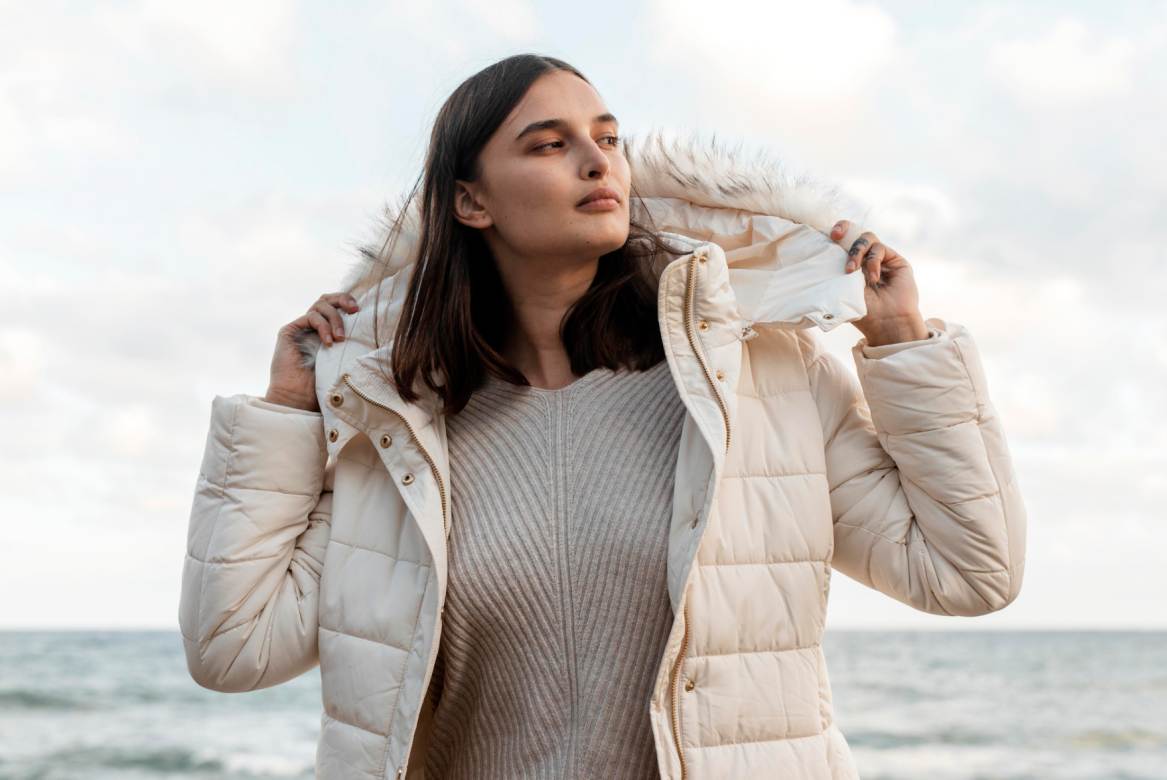
A good puffer jacket balances thermal efficiency with functional weatherproofing. Down or synthetic fills influence how well insulation performs under damp conditions, while outer shell material dictates resistance to wind and precipitation. For instance, nylon shells paired with polyester linings offer an excellent compromise between softness and durability.
INVIDIA TEXTILE: Innovative Solutions in Puffer Jacket Fabric Design
Advanced Material Development by INVIDIA TEXTILE
INVIDIA TEXTILE is a supplier and manufacturer of high-quality puffer jacket fabric made from durable material. For 15 years, INVIDIA TEXTILE has been working as an OEM clothing partner. Our puffer jacket fabric is provided with an advanced coating, which makes the fabric water-resistant and breathable at the same time. Coating does not affect the softness and flexibility of the fabric.
For every garment we produce, we test it before it enters production. When it comes to the fabrics and other components for our seam-taped clothing, we subject them to water pressure and fastness tests when they first arrive. We only use the materials that perform well in these tests and are subsequently included in the production of all our product lines.
We also offer high-performance, eco-friendly finishes to our production processes and offer customisation to have your puffer jacket’s fabric named as you desire from a huge selection sourced from the best certified suppliers from around the world.
FAQ
Q: Is a waterproof puffer jacket always better than a water-resistant one?
A: Not always. Waterproof jackets deliver stronger defense from rain. Yet they might reduce airflow or add extra weight. Water-resistant jackets, by contrast, feel lighter. They suit regular use in mild showers.
Q: How can I tell if my puffer jacket is truly waterproof?
A: Look for labels mentioning “fully waterproof,” sealed seams, or specific hydrostatic head ratings above 10,000 mm—these indicate genuine waterproof capability.
Q: Can I restore the water resistance of my puffer jacket after washing?
A: Yes. You can apply a DWR spray once more. Special wash-in treatments offer another solid choice. These options restore the jacket’s outer coating. They also boost their power to keep moisture away.
Q: What fabric is used for puffer jackets?
A: Nylon or polyester often forms the outer shells. They pair with down or synthetic fillings. Such mixes deliver strength along with flexibility. They also give solid insulation against cold weather.
