
 +86-13634185427

From Trenches to Runways: Exploring the Different Types of Trench Coats


A trench coat can look familiar at first glance, yet small changes in length, volume, closure, and fabric can give it a completely different commercial role. For B2B buyers, understanding the main types of trench coats is less about collecting fashion labels and more about building a range with clear reasons to buy. A strong assortment might need a dependable core style, a lighter transitional option, and one directional silhouette. The right mix depends on climate, target customer, layering habits, channel, and price position. This guide turns those variables into a practical selection framework.
Why Are There So Many Types of Trench Coats?
Which Design Features Create a Distinct Trench-Coat Type?
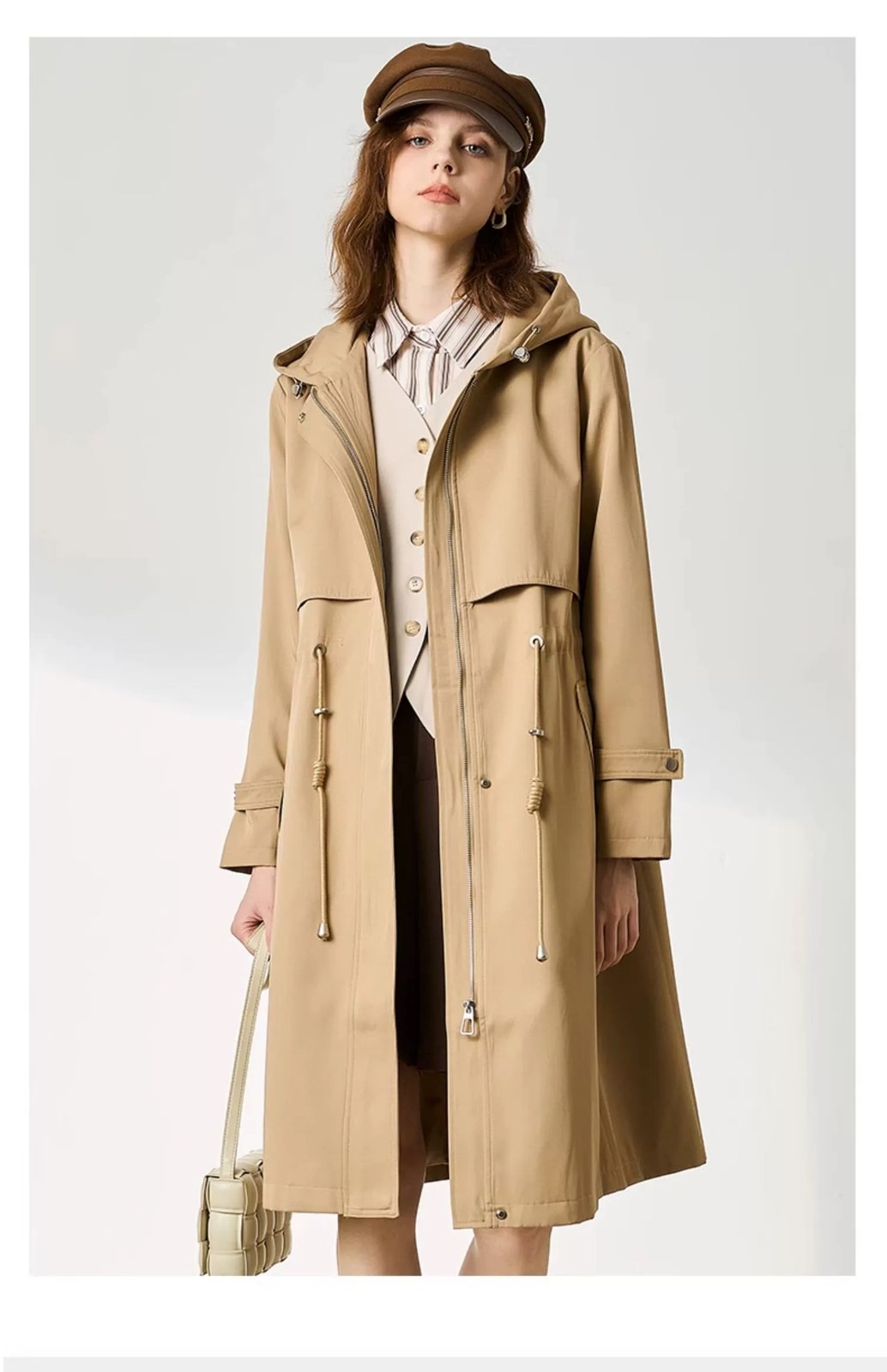
The most useful classifications start with visible construction. Buyers can compare single- and double-breasted fronts, belted and unbelted waists, compact and oversized bodies, and short, mid-length, or long proportions. Collar shape, storm flaps, sleeve tabs, pocket placement, and back vents further change how a trench coat looks and functions. These details should work together. Adding a belt to an otherwise unrelated coat does not automatically create a convincing trench style, while a well-resolved combination can establish a recognizable product even when the silhouette is simplified.
How Can Buyers Classify Trench Coats Without Chasing Trends?
Start by assigning each style a job. A core coat should be easy to layer, simple to coordinate, and stable across more than one delivery. A fashion option can use exaggerated volume, a cropped hem, or unusual detailing, but it still needs a defined customer and a wearing occasion. A weather-led option should begin with the shell, lining, and finish requirements. This approach separates different types of trench coats by customer value rather than by temporary trend language, reducing unnecessary duplication inside the range.

Which Silhouettes Define the Main Trench Coat Types?
What Does a Classic Double-Breasted Trench Coat Offer?
The classic double-breasted silhouette works well as a core style because its front overlap, structured collar, and adjustable belt create an immediately understood shape. It can support formal, workwear, and polished casual assortments depending on fabric and fit. Buyers should still check button spacing, lapel balance, belt position, and ease over the intended underlayer. A familiar design is not automatically universal: a coat planned for lightweight office clothing needs a different fitting allowance from one expected to sit over knitwear.
When Do Cropped, Long, or Oversized Trench Coats Make Sense?
Cropped styles can give a range of younger or more casual entry points and work well when the lower half of the outfit should remain visible. Long silhouettes create a stronger visual statement and offer more body coverage, although hem movement and garment weight require attention. Oversized trench coat types allow generous layering and a relaxed look, but uncontrolled width can make grading inconsistent. Each proportion should therefore be assessed on a fit model with the intended clothing underneath, not derived from a flat measurement table alone.
How Do Trench Coat Lengths and Fabrics Change Performance?
Which Trench Coat Lengths Fit Different Retail and Climate Roles?
Length affects movement, styling, and perceived seasonality. A shorter coat can be practical for driving, commuting, and active urban use. A knee-area length is often the most flexible because it balances coverage with mobility. A long coat can suit premium or statement ranges, but buyers should review walking ease, back-vent construction, and the risk of the hem contacting wet ground. None of these lengths guarantees warmth by itself. Shell density, lining, closure, wind exposure, and the clothing worn below the coat all influence comfort.
What Should Buyers Look For in Trench Coat Fabric and Material?
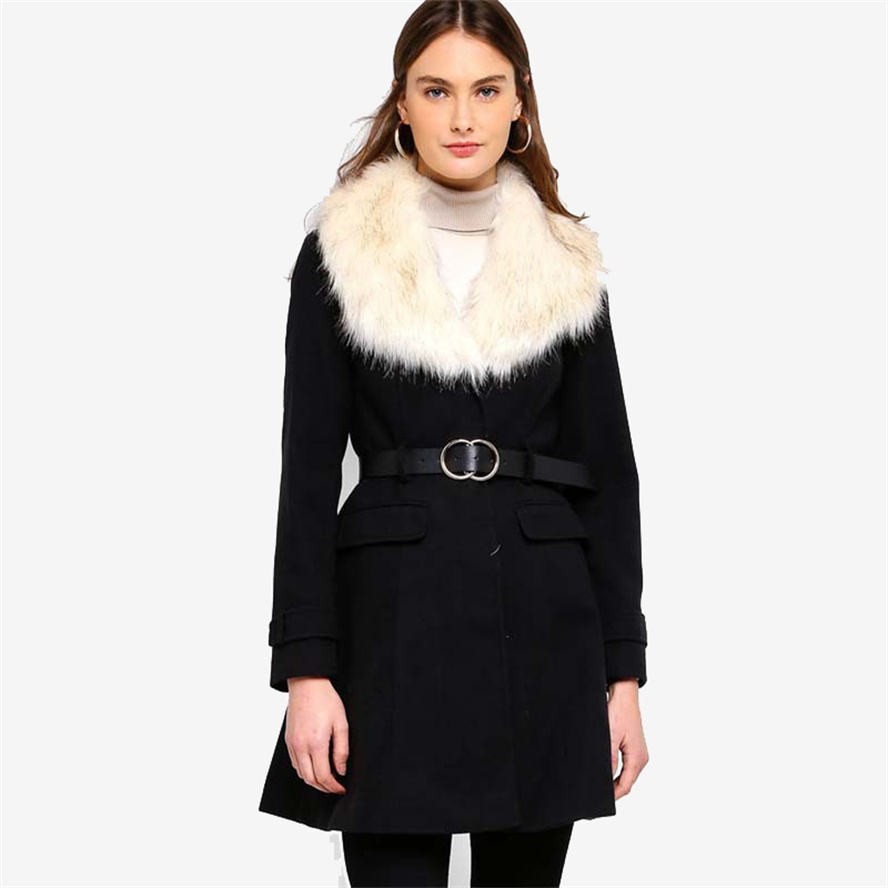
Project product knowledge includes a cotton-canvas trench construction with a polyester lining, as well as a nylon-shell construction with a polyester lining. These examples show why trench coat fabric must be specified as a complete system rather than by shell name alone. Buyers should document fiber content, fabric weight, hand feel, lining, color, finish, and care requirements for the chosen style. Breathable, water-resistant, or windproof language should be tied to the selected fabric and approved specification, not assumed for every trench coat fabric and material choice. A swatch review should be followed by a garment sample because drape can change after seams, facings, and trims are added.
How Should Buyers Plan Women’s and Unisex Trench Coat Fits?
What Makes a Women’s Trench Coat Range Commercially Flexible?
A flexible women’s trench coat range begins with the target silhouette, not a generic gender label. Shoulder shape, bust allowance, waist position, sleeve length, and hip ease should match the intended fit. A tailored style may need controlled shaping, while a relaxed style needs enough room to layer without allowing the collar, belt, or armhole to collapse. Searches for women’s trench coats often hide several needs at once: petite and tall proportions, workwear styling, transitional weather, and inclusive sizing. A buyer brief should identify which of those needs the product is meant to solve.
Can One Trench-Coat Block Serve More Than One Market?
A proven block can provide a starting point, but it should not be copied unchanged across customers. Market-specific sizing, preferred layering, fabric thickness, and styling details can alter the final fit. Buyers can preserve the design language while adjusting grade rules, body length, sleeve length, or ease. The safest process is to approve the intended base size, review a fit sample in the actual fabric, and then check how key proportions behave across the size range. That creates repeatability without pretending that one block fits every channel.
How Can INVIDIA TEXTILE Support a Customized Trench-Coat Program?
Which Trench-Coat Details Can We Customize for a Buyer Brief?
At INVIDIA TEXTILE, we use the buyer’s market, product concept, and target use to shape development. Our available project knowledge covers customization of sizes, colors, fabrics, styles, labels, and logos. Our wool trench coat and Wool Coat / Sweater categories can serve as starting points for discussing a structured or softer coat direction. We confirm the selected construction through the development brief rather than treating a category name as a fixed specification.
How Do We Move from Fabric Direction to Approved Samples?
Our process begins with the requested fabric, style, and accessories. We then source the relevant materials, review possible quality issues, and prepare counter or fit samples for silhouette and fitting decisions. Revisions can be made before a pre-production sample is approved with the final fabric and accessories. This sequence lets our team and the buyer resolve proportion, trim, and material questions before bulk production rather than relying on an illustration alone.
FAQ
Q: What Are the Most Useful Types of Trench Coats for a Core Range?
A: A balanced core range usually needs clearly separated roles, such as a classic mid-length style, a lighter casual option, and a more directional long or oversized coat. The best mix depends on the target customer and climate, so repeated silhouettes without a distinct use should be removed.
Q: Which Trench Coat Fabric Is Easiest to Position Across Seasons?
A: No single fabric works for every market. Buyers should compare shell weight, lining, drape, finish, and care needs. Cotton-based options can support a classic hand, while selected synthetic constructions can support lighter-weight or weather-focused briefs when the claimed performance is verified.
Q: How Should a Buyer Brief a Women’s Trench Coat Type?
A: Define the target silhouette, base size, layering allowance, shoulder treatment, waist position, length, fabric, and required details. Include the intended climate and sales channel so the sample can be judged against a real customer need rather than appearance alone.
