
 +86-13634185427

Does The Breathable and Moisture-Permeable Fabric Have Any Risk of Color Transfer?


Characteristics of Breathable and Moisture-Permeable Fabrics
What Makes a Fabric Breathable and Moisture-Permeable?
Breathable and moisture-permeable fabrics are built to let air and water vapor flow through them. At the same time, they block liquid water from getting in. This careful balance keeps the wearer comfortable in many settings. Breathability means the fabric allows good airflow. Moisture permeability means it moves sweat away from the skin effectively.
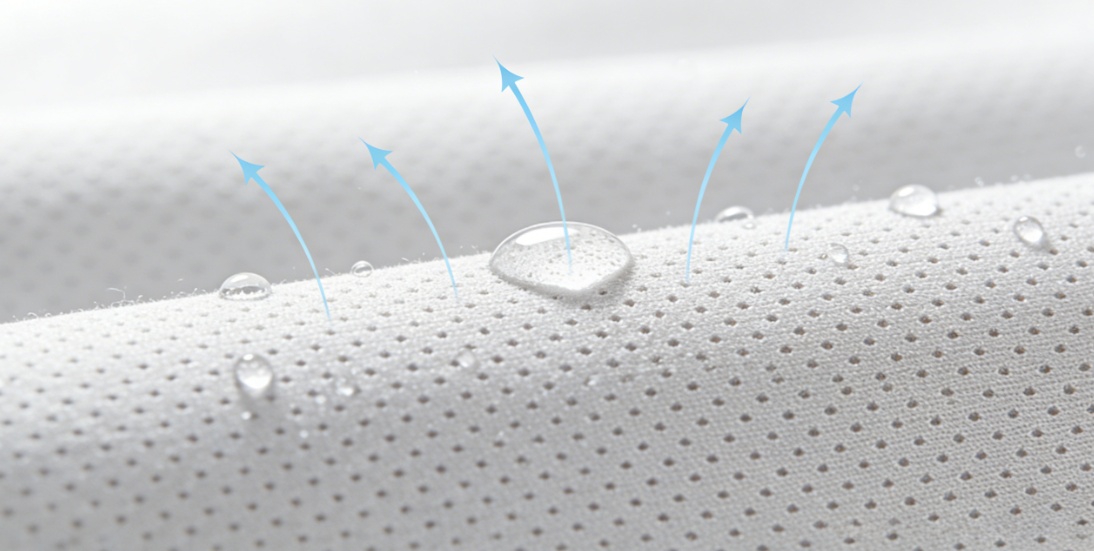
These two features together boost comfort a lot. When water vapor can escape easily, sweat does not build up. This avoids stickiness and helps keep body temperature steady. Typical materials for breathable fabrics include wool, cotton mixes, special polyester, and bonded membranes.
Wool clothing offers excellent breathability. It absorbs moisture well, up to 35% of its weight in water vapor, yet remains dry. Such natural qualities make wool a top choice for breathable materials. Synthetic options like polyester and nylon are popular too. They last long and dry fast.
How Do These Fabrics Function in Different Conditions?
Breathable fabrics work in various ways based on the weather. In hot areas, they release body heat and moisture vapor fast. In cool or rainy spots, they hold in warmth. They also stop moisture from building up inside. The third layer forms the outer shell. It is bright and a bit stiff. We often see this part. Its key roles are to block wind, repel water, and allow breathability. This layered method keeps clothes protective and cozy.
Designers must balance breathability with water resistance in active wear. A very breathable material might not fully block water. A fully sealed fabric could trap heat and moisture. So, many makers use multi-layer setups. These achieve a good mix of air flow and safety.
Risks of Color Transfer in Breathable Fabrics
What Causes Color Transfer in Fabrics?
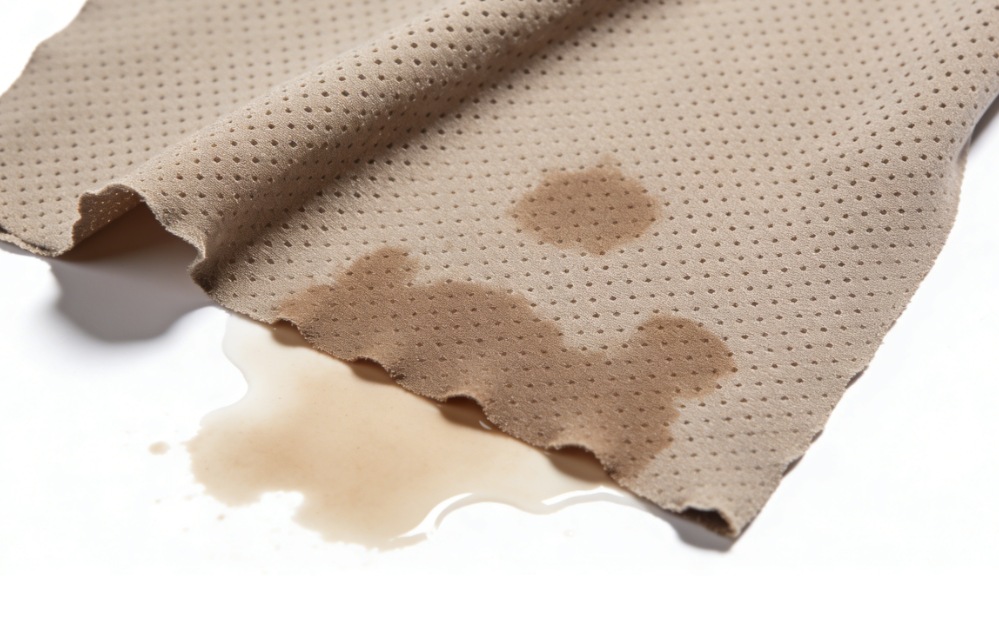
Color transfer happens when dyes move from one fabric to another. This occurs due to rubbing, wetness, or weak dye attachment in making. Things like dye kind, high heat, acidic sweat, or wash settings can speed it up. The dyeing method matters a lot. Reactive dyes suit natural fibers. Disperse dyes fit synthetics.
Finishing steps, such as waterproof layers or bonding, can affect color hold. They change how dyes stick to fibers. Dyes that are not fixed well might run when sweat or soap touches them.
Are Breathable and Moisture-Permeable Fabrics Prone to Color Transfer?
Breathable fabrics differ in how likely they are to lose color. It depends on the fiber type and dyeing approach. Natural fibers like wool often hold color better. Their inner build traps pigments firmly. Wool’s outer layer has a scale-like cover. This repels water, so wool fabrics stay clean easily. It also cuts down on dye moving from the surface.
Yet, synthetic breathable fabrics with treatments like polyurethane covers or bonded films can risk more issues. This happens if processing is not done right. Things like sun rays or damp air can weaken dye links over time. Washing often or sweating a lot might cause slight fading or bleeding. This occurs if care rules are skipped.
Preventive Measures for Color Transfer
How Can You Prevent Color Transfer in These Fabrics?
Good care keeps color strong and function intact. Always check the washing guide from the maker. Use cool water and gentle soaps made for colors. Wash dark breathable items away from light ones. This lowers the chance during cleaning.
Do not pack the washer too full. Too much rubbing wears fabrics down. Dry in the air, not the machine. This avoids heat from fading colors.
Soaps safe for colors with dye blockers help a lot. They keep bright shades while not harming fabric breath.
The Role of Fabric Treatments in Reducing Color Transfer Risks
New textile methods provide finishes that boost color hold. They keep breathability too. Things like positive charge fixers make dye stick tighter at the tiny level. Water-repelling covers guard against outside wet without closing vapor paths.
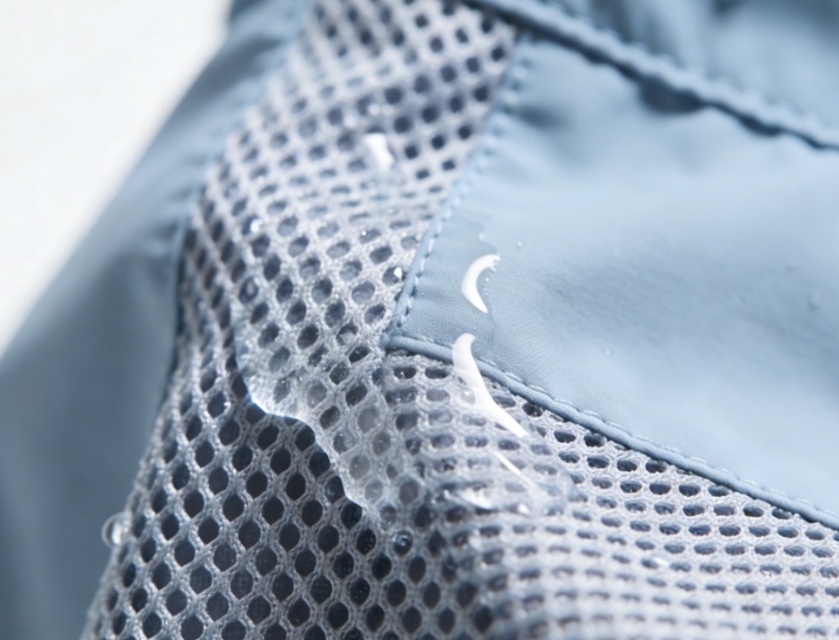
INVIDIA TEXTILE materials come from nature’s finest. We pick them by hand. They protect from sun, warm in winter, and last long. This smart choice means our items stay tough and good-looking. They hold up after many washes.
INVIDIA TEXTILE: A Leader in Innovative Fabric Solutions
What Makes INVIDIA TEXTILE Stand Out?
At INVIDIA TEXTILE, we have spent over 15 years perfecting high-performance jacket making. We blend new ideas with skilled work. For 15 remarkable years, INVIDIA TEXTILE has been the secret weapon for brands craving jackets that blend top – notch quality with head – turning design. We offer OEM services proudly. These help global brands build unique clothing lines for their markets.
Our skills cover many types, like seam-taped jackets, parkas, trench coats, padded jackets, down jackets, and rainwear. All use breathable and moisture-permeable materials tuned for comfort in different weathers.
Each jacket faces tough tests, from leak checks to strength trials. We make sure every item hits high quality marks before it goes to customers. Our design options let you customize fully. This includes picking materials and matching Pantone colors. It ensures brand match across lines.
We use advanced seam sealing from outdoor tech. Our jackets mix water block with good air layers, like pro gear mentioned before.
We keep putting money into new coating ways. These improve color keep and green practices. They also save the soft feel, a core of our textile views.
FAQ
Q: Is It Safe to Wash Breathable Fabrics with Other Clothes?
A: Breathable fabrics should be washed separately or with similar colors to prevent any potential color transfer.
Q: Do All Moisture-Permeable Fabrics Have the Same Level of Breathability?
A: No, breathability varies depending on the material composition and weave structure.
Q: How Can I Test If My Fabric Is Prone to Color Transfer?
A: Perform a patch test by dampening a small area with water and pressing it against a white cloth to check for any color transfer.
At INVIDIA TEXTILE, we guide our partners through every stage—from consultation to sampling—to ensure their products embody both technical excellence and visual appeal using premium breathable materials engineered for lasting performance.
