
 +86-13634185427

Down vs Synthetic Jacket: Pros, Cons, and the Best Choice for Every Climate


What Is the Core Difference in a Down vs Synthetic Jacket?
Why Does Down Deliver So Much Warmth for So Little Weight?
Down forms thousands of tiny air pockets, producing strong insulation with low weight and excellent compressibility. Fill power describes loft efficiency, while fill weight describes the amount of insulation. Both values matter. A lofty feather down jacket can pack small and feel very warm in dry cold, but moisture can collapse loft and slow recovery.
Why Does Synthetic Fill Perform Better Around Moisture?
Synthetic insulation features man-made fibers. These materials keep better loft when they get wet. They also dry much quicker after moisture exposure. This type of fill usually costs less money. It handles regular washing very well. Therefore, it is a great choice for uniforms, schoolwear, rental programs, and damp environments.
However, there is a clear downside. You will get more bulk to achieve the exact same warmth. The material also loses its loft slowly after you pack it down many times. Because of this, making the right down vs synthetic jacket choice depends on your actual use conditions.

A proper comparison looks at two different things. It separates the insulation quality from the performance of the entire garment. Two jackets might have the exact same fill. However, they can feel completely different to the wearer. This happens due to the outer shell’s breathability and the baffle spacing. Details like hood coverage, cuff design, hem adjustments, and the general fit also play a huge role. Cold air can easily leak around the neck or waist area. This draft can quickly ruin any warmth advantage that the fill data suggests.
When doing a B2B evaluation, you should ask for a full specification sheet. Then, test the finished samples side by side. Make sure to compare them under identical conditions for temperature, wind, and moisture. You must also keep the clothing layers and activity levels exactly the same.
Which Insulation Works Best in Each Climate?
What Should Buyers Choose for Dry, Severe Cold?
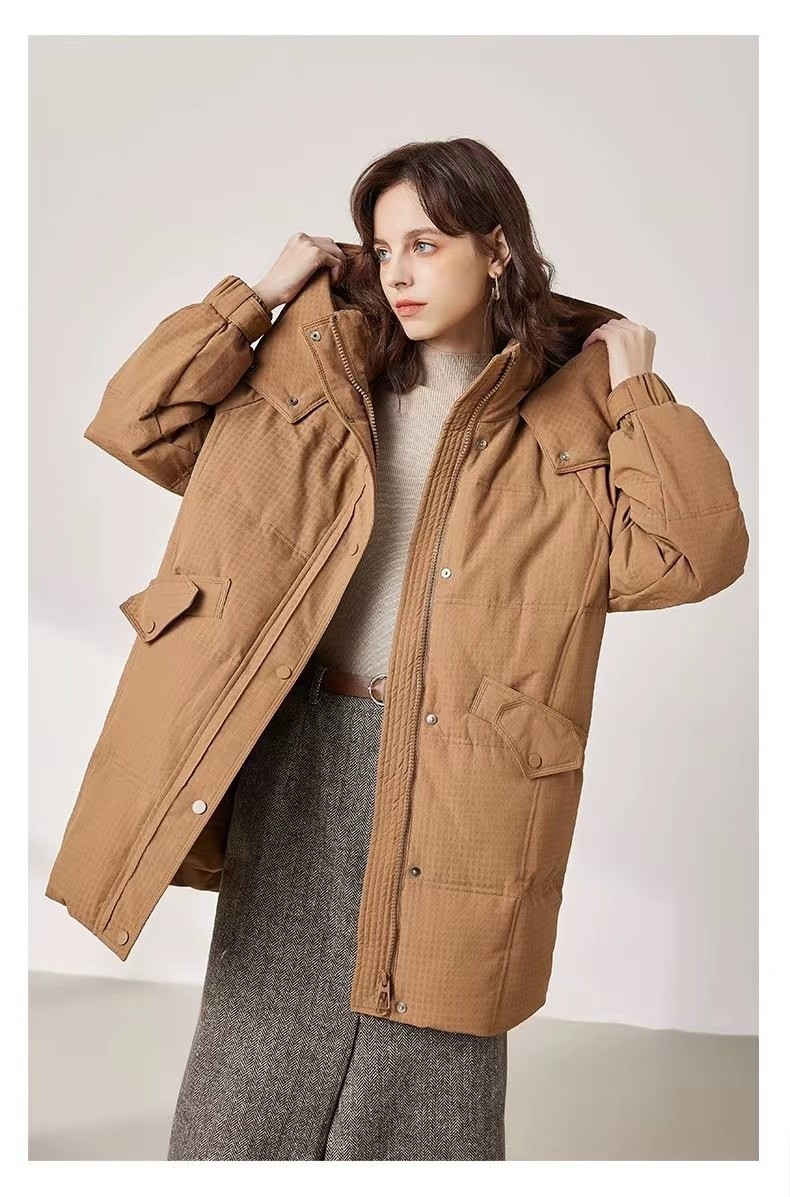
For dry continental winters, high-loft down provides an efficient warmth-to-weight ratio. Long stationary periods favor more fill, protective baffles, and generous torso coverage. Active users need less insulation and better venting. A down jacket men can wear for commuting may use a cleaner, lower-bulk profile, while expedition-inspired volume can become uncomfortable on public transport or inside heated buildings.
What Works in Wet, Coastal, or Unpredictable Weather?
Synthetic fill is often the safer default for persistent drizzle, wet snow, high humidity, and repeated drying cycles. Hydrophobic down can improve moisture tolerance, but shell seams, zippers, hood design, and face fabric remain crucial. For buyers wondering whether down jackets are waterproof, it is important to distinguish insulation performance from weather protection: ordinary down jackets are not inherently waterproof. A coated or laminated shell and controlled seam construction provide the main barrier.
How Should Mild and High-Activity Climates Change the Specification?
Warmer weather calls for less insulation. In these conditions, users need breathable linings and good airflow. They do not need maximum loft. People might go hiking, need running support, or do physical work. During these activities, synthetic insulation handles sweat perfectly. It also deals with constant moisture very well.
Hybrid jackets offer a smart design. They put thicker insulation right at the body’s core. At the same time, they feature thinner, breathable sections around areas that get very hot. Offering a range of climate-specific options is usually the best approach. This strategy works much better than selling just a single universal jacket to all buyers.
What Construction Details Matter Beyond the Filling?
Which Materials in Down Jackets Control Durability?
Makers build down jackets using several standard materials. These parts include lightweight nylon shells and polyester linings. The garments also feature down-proof woven structures, zippers, elastic cuffs, and baffle stitching. A 90/10 down-and-feather fill acts as a standard commercial option. At the same time, shell and lining choices often depend on synthetic fibers.
The feathers inside a down jacket do not decide its overall value on their own. You need to look at other important details. Fill cleanliness and loft need careful review. In addition, buyers should check migration control and fabric density. A balanced distribution of the fill across the baffles also deserves your attention.
How Does Synthetic Padding Change Product Engineering?
A padded jacket may use polyester for shell, lining, and fill, creating predictable care and broad wet-weather practicality. Fiber shape, batting density, quilting spacing, and bonding method influence warmth and recovery. Synthetic fill can also support slim quilted products, loose puffers, or long coats.
What Changes for a Kids Down Jacket or High-Use Garment?
A kids down jacket needs secure trims, comfortable cuff pressure, easy closures, safe hood construction, and enough room for movement. School and outdoor programs also benefit from washable shells and clear care labels. Adult workwear faces similar abrasion and laundering demands. In both cases, repair access, zipper quality, stain visibility, and drying speed can matter more than the smallest possible packed size.
How Can INVIDIA TEXTILE Build the Right Insulated Jacket Program?
What Can We Customize for Different Markets?
At INVIDIA TEXTILE, we help build insulated outerwear programs. Clients can select custom fabrics, colors, and sizes. We also provide unique silhouettes, labels, logos, trims, finishes, and filling choices. Our team understands various materials deeply. This background covers down-and-feather constructions along with polyester-padded designs. We adjust the warmth, weight, and overall fit to meet specific needs. Furthermore, we balance water resistance, wind protection, and price architecture.
How Does Our Development Process Support Buyers?
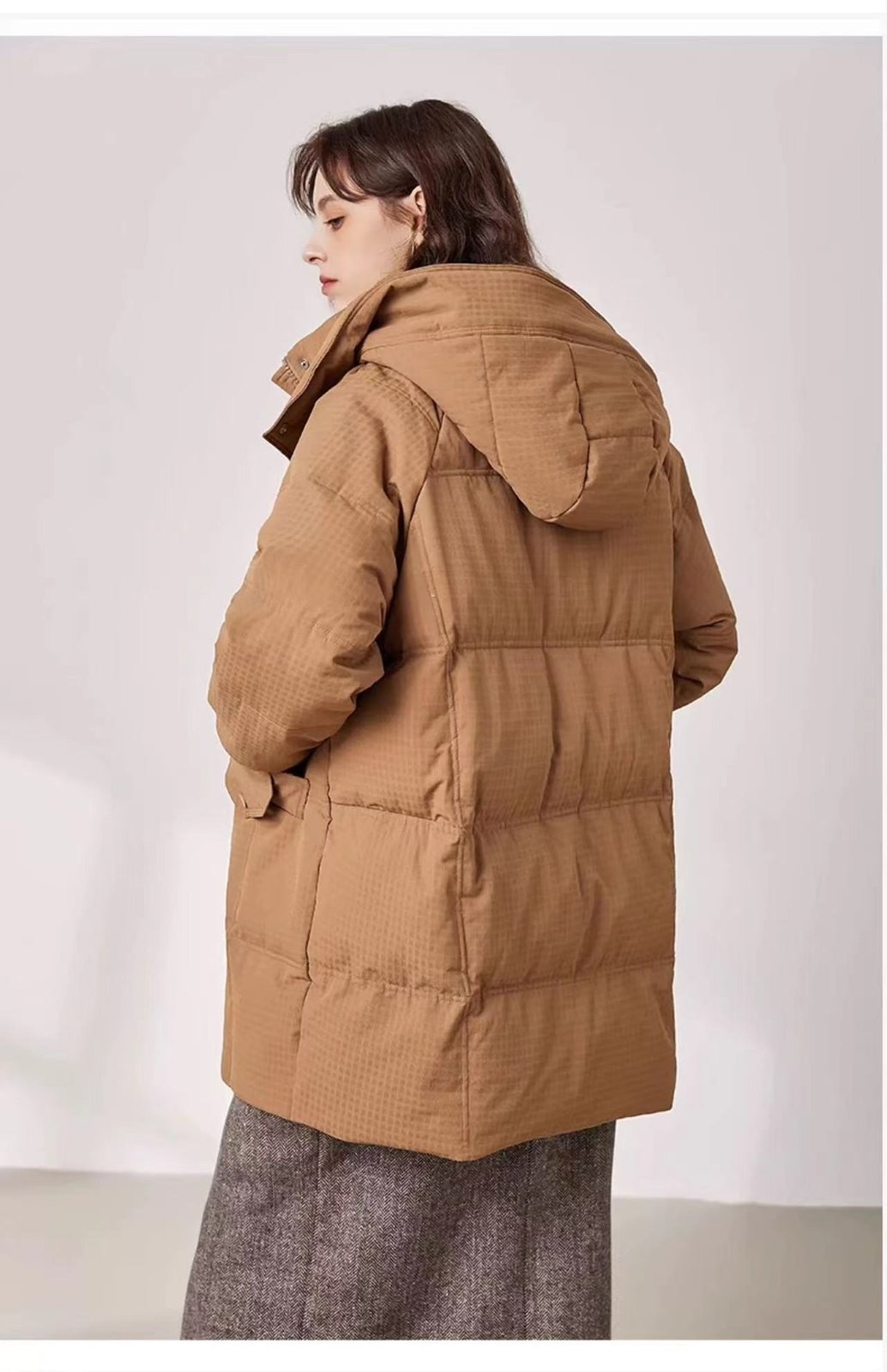
Our ODM/OEM outerwear services cover product planning, material sourcing, fit sampling, pre-production approval, bulk manufacturing, inspection, and delivery coordination. We welcome clear performance targets and market references at the inquiry stage. Early decisions on shell, lining, fill, baffle layout, trims, packing, and testing create a cleaner route from concept to production and reduce late-stage changes.
FAQ
Q: Is a Down Jacket Warmer Than a Synthetic Jacket?
A: Down usually provides more warmth for a given weight in dry conditions. Synthetic fill can offer more dependable warmth after damp exposure. Fill amount, loft, baffle design, shell protection, and garment fit can change the final result.
Q: Should a Buyer Choose a Down or Synthetic Jacket for Rain?
A: Synthetic fill is normally more forgiving in wet climates. Down can still work under a well-built weatherproof shell, but ordinary down does not create waterproof protection. Required rain exposure and drying access should guide the choice.
Q: What Is the Best Down Jacket vs Synthetic Jacket Choice for Travel?
A: Select down if you need a small packed size. It is perfect for dry, cold weather. It also helps a lot during trips where saving weight is important. Choose synthetic fill for damp trails. This material handles frequent washing without issues. It is great for heavy use. Furthermore, it works well when you have very little time to dry your gear. You might also consider a hybrid design. This option mixes packable warmth with proper moisture control.
