
 +86-13634185427

Is Draping Essential for Mastering Outerwear Pattern-Making?


What is Draping and Why Does It Matter in Outerwear Pattern-Making?
Draping is a practical method that lets designers shape cloth right on a mannequin. It feels like molding with material, so you can tweak and fine-tune as you go. This approach stands out from flat pattern-making. In flat pattern-making, you sketch garment parts on paper using body sizes before snipping the cloth.
How Does Draping Differ from Flat Pattern-Making?
Flat pattern-making relies on math and accuracy. Draping provides a more instinctive and sight-based way. Designers use 2D drawings and calculations in flat pattern-making. Draping means pinning cheap cotton fabric like muslin onto a mannequin to create the garment in 3D.
This hands-on method proves especially useful for outerwear pattern-making. Outerwear often features sturdy parts such as collars, lapels and fitted outlines. Draping helps you observe how these parts act in reality. It works well when you add layers too.
Why Is Draping Often Used in Designing Outerwear?
Outerwear pieces usually involve thick materials like wool or canvas. They also have tricky details, including big sleeves, roomy hoods, or complex seams. You can’t easily picture these on paper by itself.
Draping lets designers handle fullness straight on the mannequin. This helps them grasp how the cloth will hang and react to weight. It also permits quick changes in size and shape. That’s a key plus for clothes worn over other layers.
Can You Master Outerwear Pattern-Making Without Draping?
Is It Possible to Rely Solely on Flat Pattern Techniques?
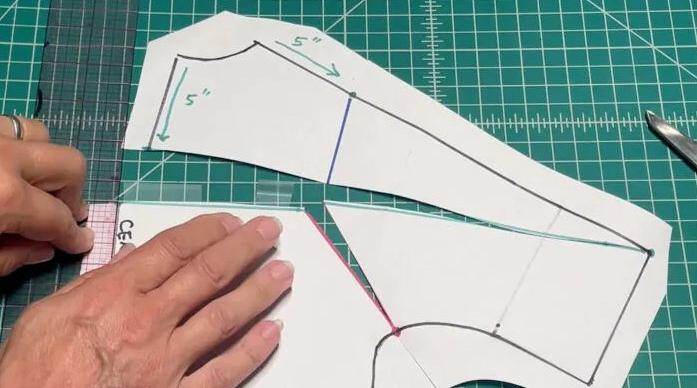
Yes, you can create great outerwear using only flat pattern-making. This works well if the designer knows garment building inside out. Modern digital tools make this easier now. CAD programs allow exact 2D planning. And simulation software gives simple 3D views.
Still, this way misses the feel you get from handling actual cloth. The heft and flow of fabrics matter a lot in outerwear. You truly learn this only by touching them.
When Might Draping Be More Helpful Than Drafting?
Some cases clearly favor draping over drafting:
- When handling uneven designs or bold shapes like capes or trapeze coats.
- For pieces needing lots of fullness changes, such as puffed sleeves or extra-large coats.
- When checking how rough or heavy stuff like shearling or quilted down rests on the body.
In these spots, draping gives a sharper picture. It also prevents issues later in building.
What Skills Do You Need to Start Draping for Outerwear?
What Basic Tools Are Required for Draping?
You don’t need high-end gear to begin draping. But some basics are essential:
- A mannequin that matches your intended body shape.
- Muslin or calico cloth for trials before using real materials.
- Straight pins, keen scissors, rulers or French curves for drawing lines.
- Measuring tape and marking items like tailor’s chalk or erasable pens.
These items allow you to draw right on the muslin. You can adjust fast as you perfect the garment idea.
Do You Need Formal Training to Learn Draping?
No way! Fashion courses often cover draping skills. Yet many top designers learn on their own. YouTube videos, guidebooks and classes offer clear steps. Above all, steady practice grows your skill and sense of fabric actions.
Is Draping Time-Consuming or Worth the Effort?
How Long Does It Take to Drape an Outerwear Garment?
It varies with your design’s detail. A basic windbreaker may need just hours to shape, adjust and turn into paper templates. But detailed coats, such as trench coats with many sections and insides, might span a few days.
The usual steps involve forming the muslin on a mannequin. Then mark design lines. Next, tweak the fit. After that, move the forms to paper patterns. Finally, sew a test piece.
What Are the Benefits of Investing Time in Draping?
The rewards are substantial. You get superior fit and harmony by watching cloth shift on a body-like form. Draping also sparks fresh ideas on the spot. You don’t have to redo paper sketches. Plus, it cuts expensive mistakes. You test in cheap muslin before touching the real cloth.
Where Can You Find Quality Materials for Outerwear Projects?
What Kind of Fabrics Work Best for Draping Outerwear Designs?
Fabric pick is crucial for outerwear design. Medium to heavy picks like wool mixes, canvas, cotton twills and padded nylons give enough firmness to hold form while draping.
For initial trials, muslin shines. It’s cheap and simple to work with. After settling the pattern, move to the actual fabric. This lets you check how it hangs with true weight and feel.
Who Offers Reliable Fabric Options for Pattern-Making Projects?
At INVIDIA TEXTILE, we supply a broad selection of top-notch fabrics suited for outerwear creation. These range from airy cotton canvases to water-proof nylons with eco-free or bionic finishing. We will show you various fabric swatch books for options. We can customize as your requirements Eco-Free/Bionic finishing. Whether you’re crafting a custom parka or an oversized puffy coat, our materials support both beginner experimentation and professional production runs.
We offer full OEM & ODM services available for any style you envision. Our jackets go through rigorous testing for fabric integrity, including waterproofing and seam durability. They make them perfect for outdoor coats used in hiking, festivals, or everyday wear.
FAQ
Q: Do I need a dress form to start draping outerwear patterns?
A: Yes, a dress form is highly recommended as it allows you to pin fabric directly onto a 3D shape that mimics the human body.
Q: Can I use lightweight fabrics when draping outerwear designs?
A: You can use lightweight muslin for testing shapes but should switch to heavier materials when finalizing your design to understand how the garment will behave.
Q: Is draping better than flat pattern-making for coats and jackets?
A: Not necessarily better. Each method has its strengths. But draping offers greater flexibility when dealing with complex shapes or heavy fabrics often used in outerwear.
