
 +86-13634185427

Puffer Jacket Material Guide: How to Choose the Right Fabric and Filling


What Makes a Puffer Jacket Effective in Cold Weather?
How Fabric and Filling Work Together
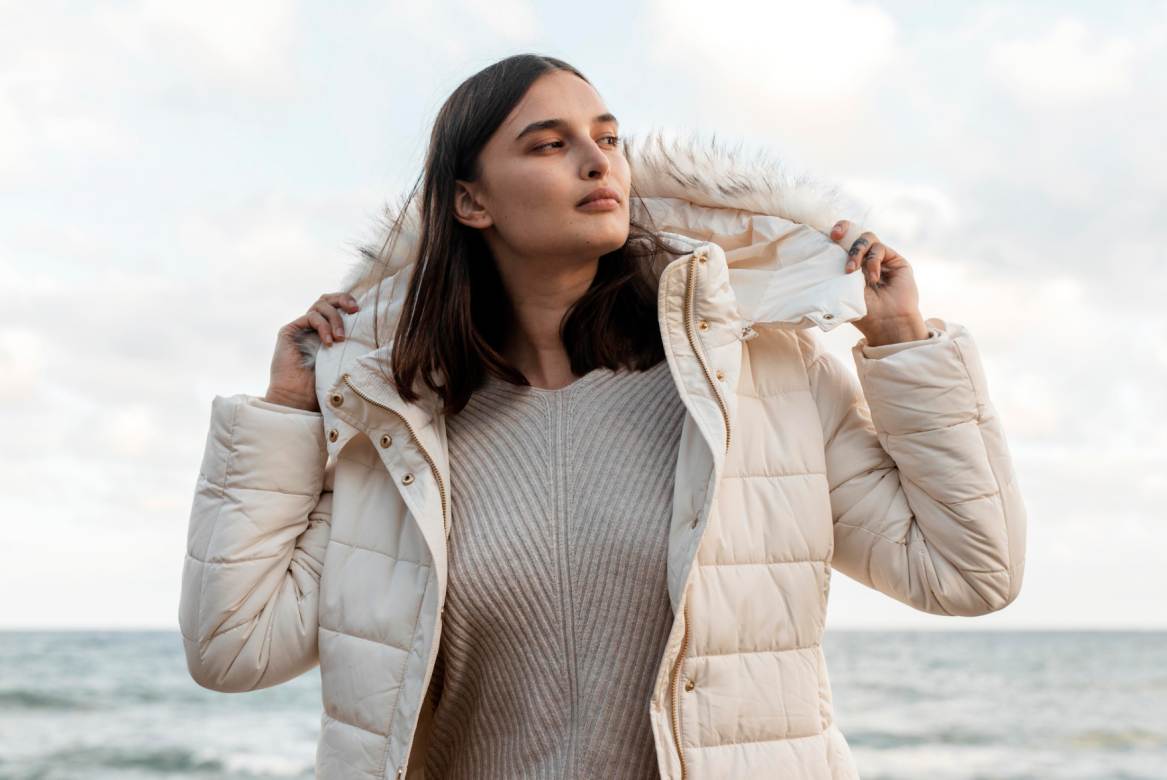
A puffer jacket works well in cold weather. Its outer fabric and inner filling team up nicely. The outer shell blocks wind and moisture from the start. The filling holds air inside to keep warmth close by. The best puffer jacket material mixes toughness with an easy feel. This mix lets you stay warm yet light. A good design gives both airflow and heat hold. It fits many weather types, from dry winter days to wet mountain walks. Special finishes help the jacket push water away while the surface stays soft and bends well.
Common Challenges in Material Selection
Picking the right puffer jacket fabric material means balancing heat hold, light weight, and bend. Weak heat hold can let warmth slip away in very cold times. Thick fabrics may hold too much heat or limit motion. Bad stitches or joins can also cut short how long the jacket lasts. For instance, a perfect outdoor coat Suitable for cold, rainy, snowy, and windy weather, as well Women’s long warm down jacket with strong thermal performance and winter necessities, proves that a solid build keeps the coat useful even in tough spots.
Exploring Outer Shell Materials for Puffer Jackets
Nylon vs. Polyester: Which Performs Better?
Nylon and polyester both serve as puffer jacket fabric names. Nylon often gives better wear resistance and a smoother feel. Polyester costs less, dries quickly, and handles the sun better. This makes it good for daily use. Both can gain DWR coatings to boost water push without losing airflow.
Technical Fabrics for Advanced Performance
Ripstop Nylon
Ripstop nylon uses strong weave patterns. These stop tears and add strength without extra bulk. It fits travel or outdoor use where toughness counts. Many thigh-length puffer jacket styles rely on ripstop nylon. It keeps its shape after many folds.
Microfiber Polyester
Microfiber polyester feels soft and blocks wind well. It appears often in mid-range jackets where ease matters as much as heat. This material mixes bend with warmth. That mix helps when you ask what size puffer jacket I should buy for active days.
Recycled Synthetics
Recycled synthetics grow in use because they help the planet. They come from used plastics and cut harm while matching the strength of new fibers. These green choices let buyers pick what a puffer jacket is made of with care for nature.
What Are the Different Types of Insulation Fillings?
Down Filling: Natural Warmth and Lightweight Comfort
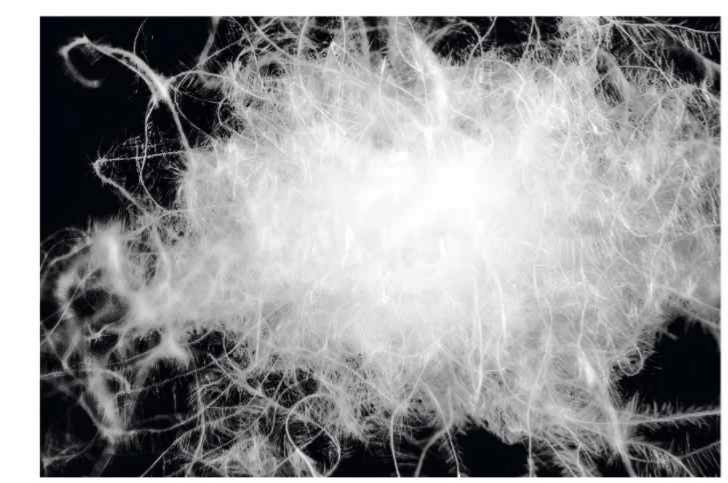
Down filling comes from duck or goose feathers. It stands out for great loft and a strong warmth-to-weight ratio. It packs small for easy carrying. Yet it loses power when wet unless given water-proof treatment. Boys’ sporty army printed padded warm jacket. Feathers show the high quality of this natural fill.
Synthetic Fillings: Durable and Moisture-Resistant Alternatives
Polyester Fiberfill
Polyester fiberfill keeps heat even when damp. It suits wet or rainy places and cleans more easily than down.
Cluster Fiber and Microfiber Blends
Cluster fibers copy the loft of down yet resist water better and dry faster. Microfiber blends give even heat across many temperatures. They work well for those who ask what material a puffer jacket is best for daily wear.
How to Choose the Right Puffer Jacket Material for Your Needs?
Factors to Consider Before Buying a Puffer Jacket
Check your local weather first. Wet areas gain from synthetic fills. Dry cold suits you better. Think about how active you will be. Light builds fit moving users. Heavier fills suit still times like travel or camp. Build quality also counts. Look at the baffle layout because it spreads heat evenly through the piece.
When you weigh wool coat vs puffer jacket choices, note that wool gives steady heat but lacks strong wind block. Insulated outerwear with layered fabrics like nylon shells and down fill does better at wind stopping.
Balancing Style, Functionality, and Sustainability
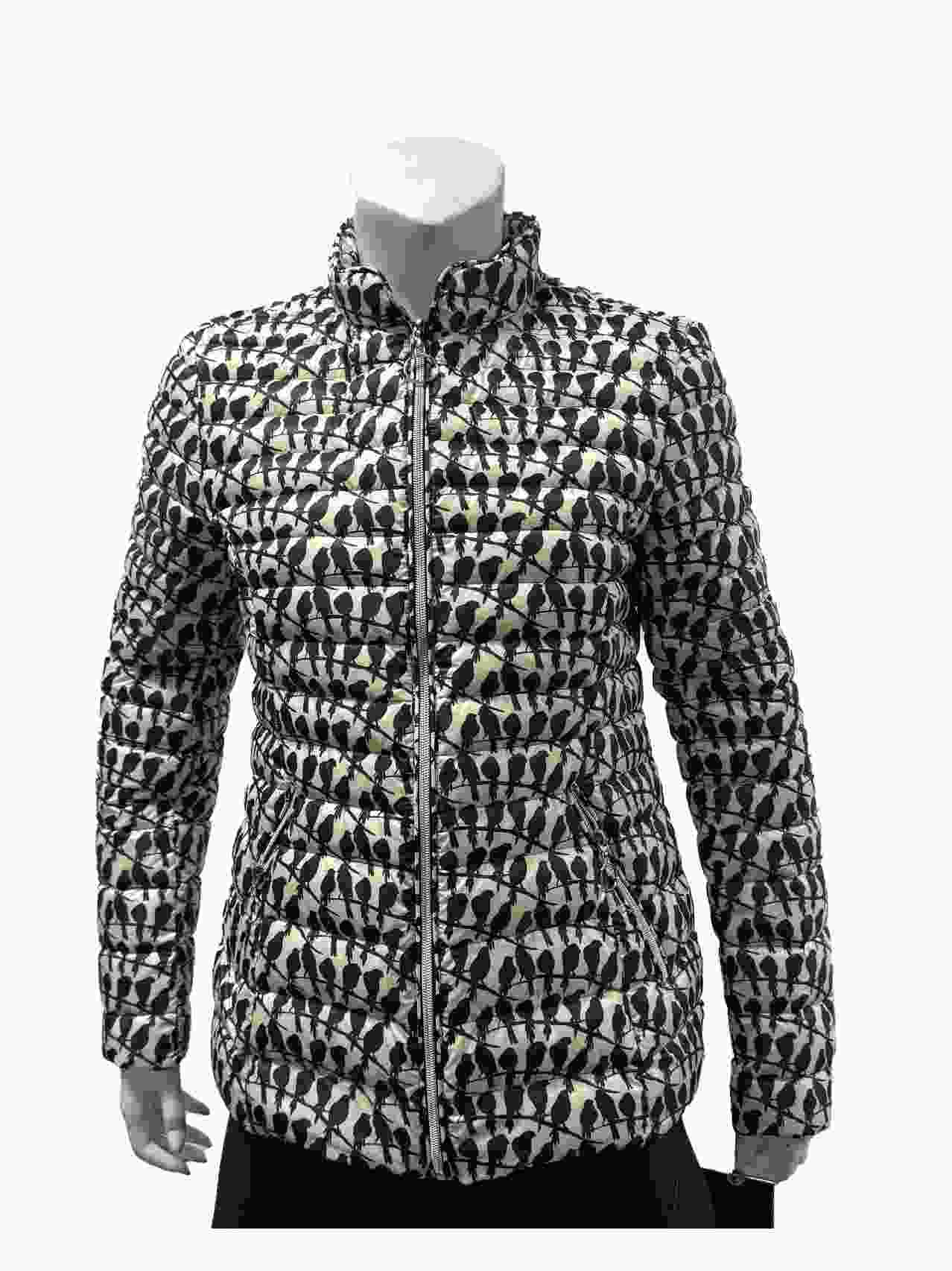
Today’s puffer jackets blend looks with use. They come in matte or shiny finishes to match different tastes. Buyers who care for the earth often choose recycled polyester to follow green fashion. Neutral colors add flexibility across outfits and lengthen the life of your clothes.
INVIDIA TEXTILE: Quality Materials for Modern Outerwear Production
Innovative Fabric Solutions by INVIDIA TEXTILE
At INVIDIA TEXTILE, we can provide OEM & ODM services. We focus on high-performance fabrics made for insulated pieces like puffer jackets. Our materials blend soft touch with toughness and provide weather resistance for city use or outdoor trips.
For 15 years, INVIDIA TEXTILE has led as an OEM clothing partner. Our lines use advanced quilting that creates clean stitch patterns. These patterns boost both the looks and the strength of each item. We run strict checks, such as water pressure tests, to confirm waterproof levels meet pro needs before full runs start.
Our team gives full custom help. This covers color picks via Pantone, logo spots, label details, and size changes that match EU/UK/US rules. All rest on green, making steps that cut nature’s impact.
FAQ
Q: What is the warmest material used in puffer jackets?
A: Down insulation typically provides the highest warmth-to-weight ratio due to its natural loft structure that traps air effectively.
Q: Are synthetic puffer jackets as good as down ones?
A: Yes, modern synthetic fillings such as microfiber blends offer comparable warmth with better moisture resistance. They work well if you live in wetter climates or need easy care options.
Q: How can I tell if my puffer jacket uses quality materials?
A: Check specifications carefully. Fabric density measured in denier shows strength. Consistent stitching points to durability. Fill power ratings assess down quality. Fiber composition labels reveal whether synthetic alternatives were used efficiently.
Q: How are puffer jackets made?
A: They are constructed by layering an insulated fill between an inner lining and outer shell material like nylon or polyester before being quilted into baffles that prevent clumping while maintaining even heat distribution throughout the garment body.
Q: What is puffer jacket material most commonly used today?
A: Most modern designs rely on combinations of nylon shells with polyester linings filled either with natural down or synthetic fiberfill, depending on intended performance level and climate suitability.
