
 +86-13634185427

Puffer Jacket Material Guide: Nylon, Polyester, Down, or Synthetic Fill—Which Should You Choose?


What Makes a Puffer Jacket Material Worth Choosing?
The Key Factors That Define Material Performance
When choosing the best material for a puffer jacket, focus on the main performance factors first. The warmth-to-weight ratio shows how well a jacket holds heat without extra bulk. High-quality puffer jacket materials keep a good balance between insulation and a light feel. This makes them suitable for city use and outdoor activities.
Durability and resistance to wear count just as much. A jacket with a strong shell fabric stands up to scrapes from backpacks or rough ground. It holds up longer this way. Breathability and moisture control also boost comfort. Fabrics that pull sweat away keep you from overheating when you stay active. Water resistance offers protection in rain or snow. This keeps the insulation dry and working well.
How Fabric Construction Impacts Insulation Efficiency
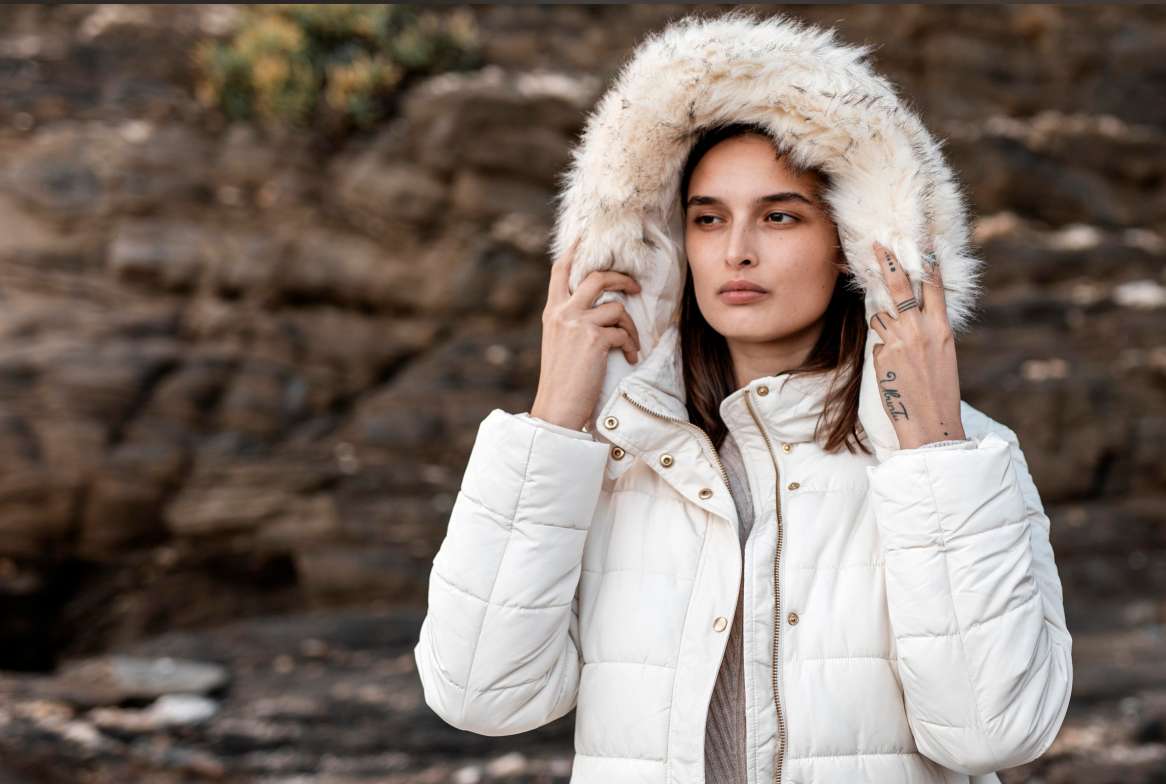
The way a puffer jacket material fabric is built changes how well it insulates. Outer shell materials like nylon or polyester block wind and moisture from the inner fill. A tight weave improves wind protection and fabric strength. It still keeps good flexibility.
Coatings or layers such as DWR treatments add water resistance. They do this without extra weight. Many newer designs use green finishes like Bionic or Eco-Free coatings. These boost performance in a responsible way.
Comparing Nylon and Polyester: Which Shell Fabric Performs Better?
What Are the Strengths of Nylon in Puffer Jackets?
Nylon stays popular as a puffer jacket material. It has a smooth feel and strong pull resistance. It handles wear well, so it fits rough places like hiking trails or mountain work. Nylon stays light and keeps its bend even in cold weather.
Why Do Many Jackets Use Polyester Instead of Nylon?
Polyester is another common puffer jacket material. It comes at a lower cost. It holds shape better too. It resists pulling and creasing more than nylon does. This helps the jacket keep its first look after many wears. Polyester also keeps color steady under the sun or washing.
Choosing Between Nylon and Polyester for Your Needs
If you spend lots of time outside, nylon gives better strength against hard surfaces and tough weather. For daily travel or city use, polyester gives a good mix of lower cost and steady results. Both fabrics work well with DWR coatings for better water repellency.
Down vs Synthetic Fill: Which Insulation Should You Pick?
What Makes Down Fill So Warm?
Down insulation leads in warmth-to-weight performance. The natural clusters trap air well. They create good loft that holds heat even in very cold spots. Down also packs down small. This helps travelers who want light warmth they can carry easily.
How Do Synthetic Fills Compare to Down?
Synthetic fills copy the structure of down with polyester fibers. They keep warmth even when wet. This gives a clear edge in damp climates. They clean easily, cause fewer allergy issues, and cost less than natural down fills.
When to Choose Down or Synthetic Fill Based on Activity Level
For Cold, Dry Conditions: Down Fill Advantages
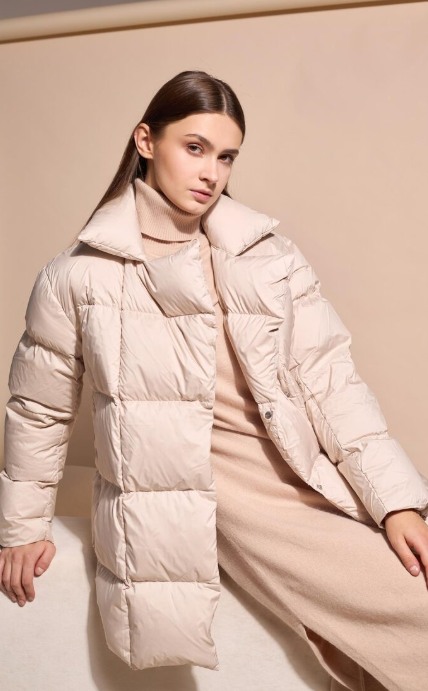
Down works best when low weight counts most. Think alpine trips or winter travel. It gives strong heat with little bulk. It feels soft and nice for long wear in cold months.
For Wet or Variable Climates: Synthetic Fill Benefits
Synthetic insulation holds steady in damp or rainy spots. It keeps warmth when wet and dries fast afterward. This makes it a solid pick for active people who face changing weather.
Balancing Functionality with Sustainability in Puffer Jacket Materials
Are Sustainable Materials Changing the Way Jackets Are Made?
Sustainability now greatly shapes decisions on which puffer jacket material offers real value. Recycled polyester lowers demand for fresh plastics. This step also reduces carbon emissions during manufacturing. Responsible down sourcing protects animal welfare through trusted standards like RDS. New synthetic fills come from reused fibers. These fills give similar warmth to older versions. They support the planet at the same time.
We can customize as your Requirements Eco-Free/Bionic finishing. These green treatments show how makers add sustainability to strong apparel design.
How to Identify Eco-Friendly Puffer Jacket Options
To find green outerwear, check for marks like RDS or GRS. Brands share more about their supply chains now. This helps buyers pick options that match their care for the environment.
INVIDIA TEXTILE’s Contribution to High-Performance Outerwear Fabrics
Innovative Material Solutions by INVIDIA TEXTILE
At INVIDIA TEXTILE, we focus on new nylon and polyester fabrics. These fabrics aim at strength, comfort, and weather defense. For 15 years, INVIDIA TEXTILE has led as an OEM clothing partner. Our fabric work centers on light builds with better airflow and water repellency. We use modern quilting systems to spread insulation evenly through each layer.
Our jackets face tough checks for fabric strength. Each item passes strict quality steps. These include water pressure tests over 4000 units. This ensures solid waterproof performance in outdoor settings. We also offer full custom options. You can pick a shell type and a fill style. We work to create green outerwear that blends technical strength with nice looks. These match client needs exactly.

FAQ
Q: Which jacket material keeps you warmer—down or synthetic fill?
A: Down gives better warmth-to-weight results in dry conditions. Synthetic fill stays warm even when wet. This makes it more flexible for changing weather.
Q: Is nylon better than polyester for puffer jackets?
A: Nylon usually provides more strength and wear resistance. Polyester costs less and keeps its color longer over time.
Q: How can I tell if my puffer jacket uses quality materials?
A: Look at the product details for fill power in down. Check the denier rating for the shell fabric. Also review any water-repellent treatments like DWR coating. These points indicate the quality and performance of your chosen puffer jacket materials.
