
 +86-13634185427

The Great Winter Coat Showdown: Puffer vs. Parka vs. Wool – Which Is Right For You?


Choosing the Right Winter Coat: Where Do You Start?
What Should You Consider Before Buying a Winter Coat?
Picking the coziest winter jackets isn’t only about looks — it’s about grabbing gear that suits your daily grind. Kick off by pondering your weather. Do you deal with dry chill or soggy snow? Brutal freezes or light frosts? If your winters are wet and icy, you’ll need something waterproof and stuffed with good insulation.
Your routine counts too. If you’re out trekking, jetting around, or strolling to the job, a jacket that flexes with you is crucial. For folks just popping to the store or hopping on buses, blocking wind and full cover matter more.
Then there’s your taste in style — some folks lean toward sharp edges and classic shapes, while others dig a rugged or practical feel. And remember your wallet. The top jacket is one that mixes solid build, heat, and price tag just right for you.

How Do You Know Which Coat Will Keep You the Warmest?
The trick to staying toasty is in the stuffing. Down rules for dry cold — it’s super light yet snags body heat like a champ. Fakes, though, often shine in damp spots and are simpler to look after.
Check for wind-blocking and water-proof bits too, like flaps for storms, glued seams, or treated outsides. These keep chilly gusts and wet out, holding onto your core warmth.
Finally, think about length. A longer one gives more shield and guards spots like thighs and hips from losing heat.
Puffer Jackets: Lightweight Warmth with a Sporty Feel
Why Choose a Puffer Jacket for Winter?
Puffer jackets are made for getting around. Their classic stitched pockets trap heat by spreading stuffing even across you. Whether packed with goose feathers or fake fibers, puffers are famous for big warmth minus the heft.
They’re light too, ideal for rides to work or stuffing in bags for trips. That low weight and bendy build give them an edge for everyday stuff.
Puffer jackets are designed to deliver heat without the heavy feeling that bulkier styles bring, remaining lightweight even when filled with down or synthetic insulation.
Are Puffer Jackets Suitable for Wet Weather?
Here’s the scoop: feather puffers flop when soaked unless they’ve got water-beading treatments. Fake stuffing, on the flip, keeps heat even wet, so better for rainy or snowy areas.
Hunt for a water-shedding outside if you expect sprinkles or flakes. But if you’re sloshing through mush daily, you might want heavier armor.
Parkas: Heavy-Duty Protection for Harsh Winters
 What Makes Parkas Ideal for Extreme Cold?
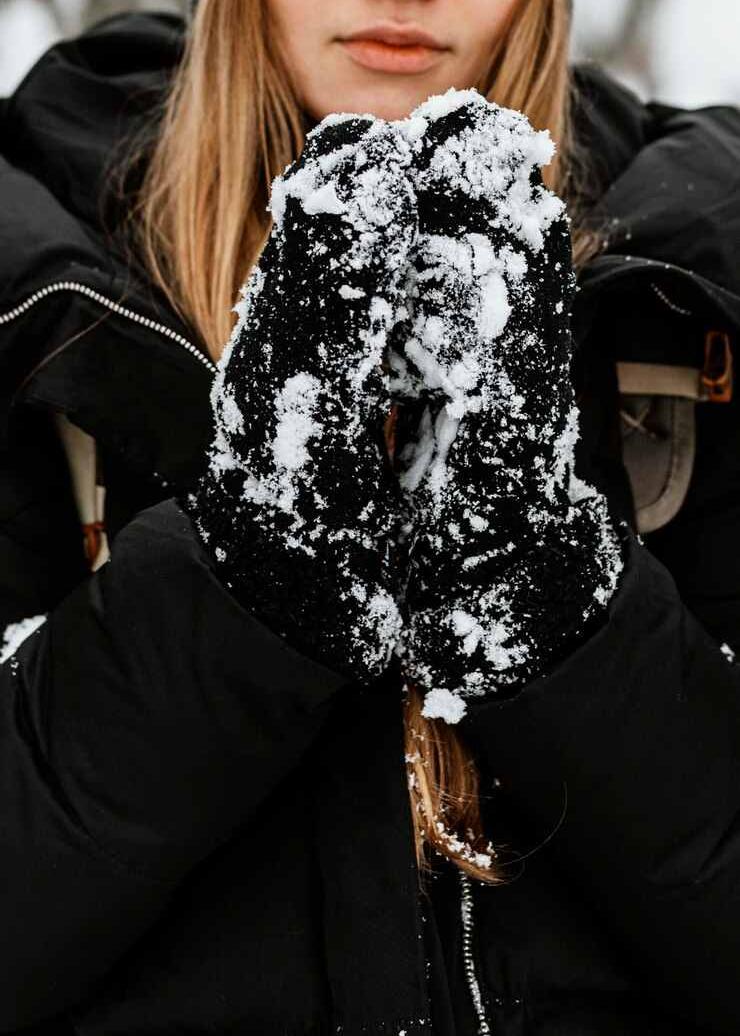
Parkas are crafted for the roughest days. With extra length, they cover from shoulders to knees — blocking more of you from biting winds.
A tough outside stops cold blasts and keeps wet from wrecking the inside. The extended length shields the hips and thighs, the areas that lose heat quickly creating better protection against the cold overall, even with similar insulation materials.
Their shells are typically tough and gust-proof, while insides are loaded with feathers or fakes. Extras like furry hoods, fuzzy pockets, and dual zips help seal heat in even below zero.
When Is a Parka the Right Choice Over Other Coats?
If your winters bite hard — picture storms, slick paths, or waits at stops — a parka’s your buddy. It’s great for games outside, walking pups, or any long stints in the open.
A parka is built for serious cold. With its longer silhouette and protective shell, it shields you from wind, snow, and long hours outdoors.
Wool Coats: Classic Style Meets Natural Warmth
Can a Wool Coat Keep You Warm Enough in Winter?
Wool coats might not yell “high-tech,” but they stand strong in dry winter air. Wool’s a natural warmer that holds heat while letting skin breathe.
Wool naturally insulates and retains heat well in dry cold conditions. However, if you’re facing wet snow or rain frequently, wool alone may not be enough unless paired with a water-resistant layer.
Why Might Someone Prefer Wool Over a Puffy Jacket?
Looks play a big part. Gives a classic, sharp vibe good for jobs or fancy spots. Wool coats are smooth, flexible, and layer great over work clothes or night outfits.
They’re solid for softer winter days when you want heat without sweating. A wool coat packs class and air flow in one.
How Do These Coats Compare Side by Side?
Which One Balances Style and Function Best?
Puffer Jacket: Puffers nail it for moving easy and heat per pound. Their casual vibe slips into everyday clothes while keeping you snug.
Parka: Big-time warmth and full cover make parkas champs in deep freezes — even if they’re chunkier than others.
Wool Coat: Wool’s clean shape has staying power. Best in dry spots or when looks lead.
Which Coat Works Best For Your Daily Routine?
Active Lifestyle (Walking, Hiking, Traveling) Puffers hit every mark — warm but light, simple to shift in, easy to stash.
Urban Commuting (City Life, Transit Use) Parkas rule here. They guard from sharp winds between trains and during outdoor hangs.
Office Days & Evenings Out (Professional Settings) A wool coat shifts smooth from meetings to dinners — no swap needed.
What Does INVIDIA TEXTILE Offer in This Lineup?
Looking for Quality Without Compromise? Check Out INVIDIA TEXTILE’s Picks!
At INVIDIA TEXTILE, we focus on making winter gear that mixes solid work with style — all with OEM & ODM services for what you need.
Our puffer jacket use top stuffing to hold heat without dragging you down. With fancy stitching tech and tough outsides, they’re set for daily grind and trips worldwide.
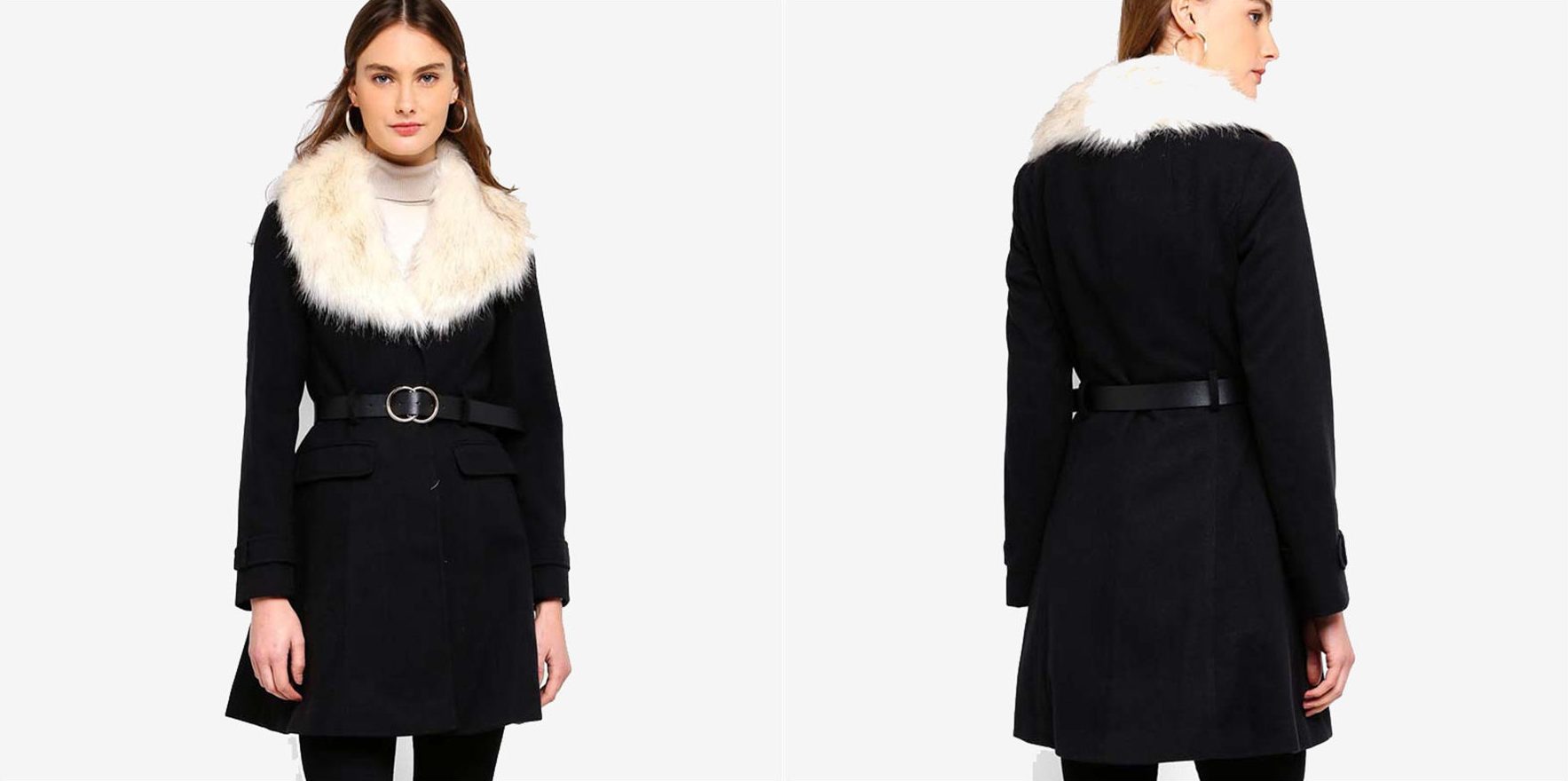
When cold gusts slice through town and chill grabs your neck, the smart lady picks a coat made with thought. Our wool coats mix nature’s best threads into items that not only block cold but share tales of quality, green vibes, and forever style.
From classic gray to pale mixes, we tweak every bit so your gear fits your weather and vibe.
FAQ
Q: What type of winter coat is warmest—puffer, parka, or wool?
A: Parka jackets usually provide the most warmth due to their length, insulation, and windproof features—but puffers come close depending on fill quality.
Q: Which coat is best for a windy -10°C urban commute, and which for a dry -5°C day?
A: For -10°C with windchill, go with a parka—it blocks wind effectively. For a dry -5°C day, a puffer jacket should be sufficient if you’re layering properly.
Q: Which coat type is most practical for frequent outdoor stops, like dog walking or waiting for the bus?
A: A parka offers superior coverage and insulation for frequent stops in biting cold. Look for one with fleece-lined pockets and an insulated hood.
