
 +86-13634185427

What Makes Waterproof and Breathable Hardshell Fabric Reliable in Real Weather?


What Defines the Reliability of Hardshell Fabric in Harsh Weather?
How Does Hardshell Fabric Protect Against External Elements?
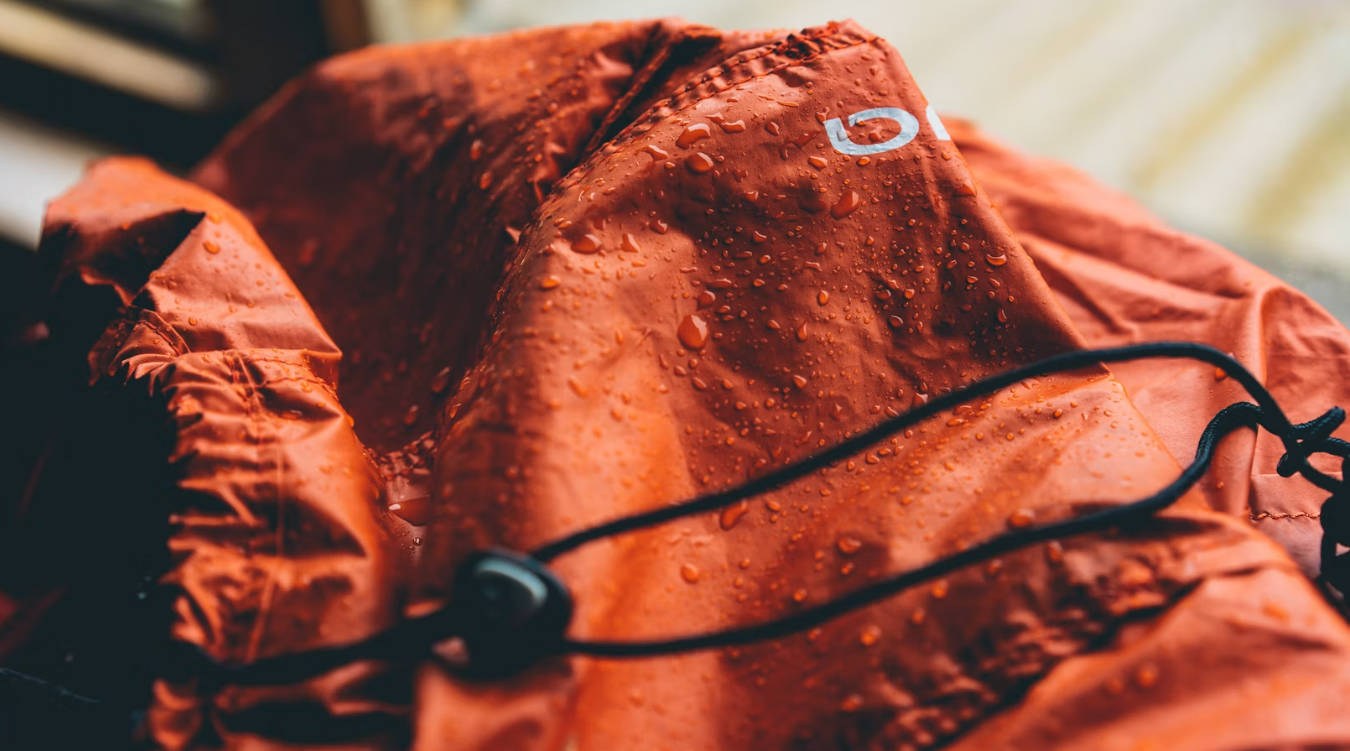
When discussing what hardshell fabric is, it refers to a well-made textile. This textile shields users from bad weather outside. The outer layer stops rain, snow, and wind. It does this with special coatings or layers that create a strong shield. Durable Water Repellent (DWR) treatments are added to help water bead off the surface rather than soaking into the fabric. This keeps users dry even in steady rainfall.
A typical hardshell uses multi-layer construction. It brings protective layers together without losing flexibility. The balance between firmness and movement is key for activities like mountaineering or skiing. Protection and mobility must work together in these cases.
Why Breathability Matters in Real Outdoor Conditions
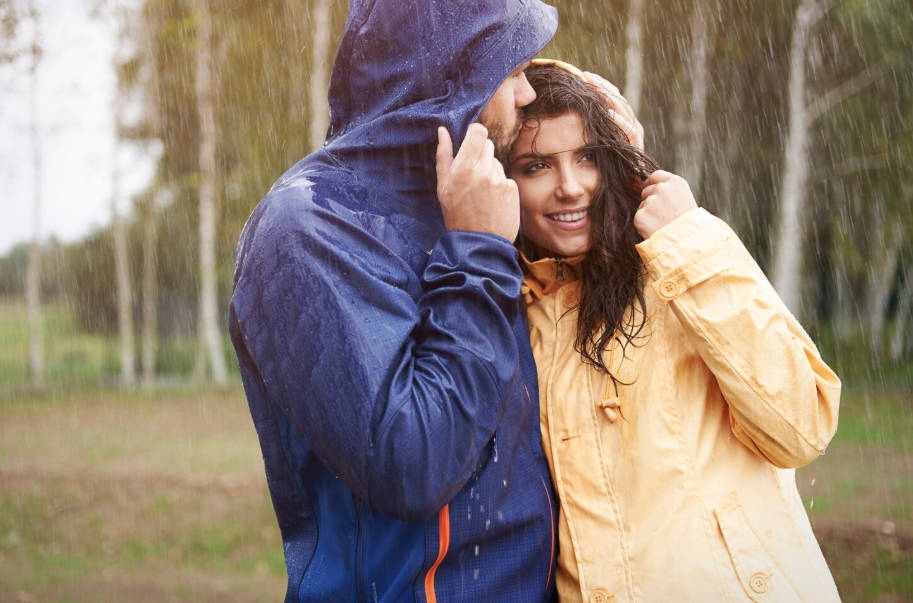
Breathability shows how well a hardshell fabric lets sweat vapor escape. Without this feature, trapped moisture leads to discomfort and condensation inside the garment. A breathable membrane moves moisture vapor out while it blocks outside water from coming in. Proper ventilation through pit zips or mesh panels helps avoid overheating during hard activity.
Balancing waterproofness and breathability gives all-day comfort in different places. These places range from damp forests to high ridges. This makes hardshell vs softshell jackets a key comparison for outdoor fans. Softshells give more stretch and airflow, yet hardshells stand out in full weather protection.
The Science Behind Waterproof and Breathable Technology
What Are the Core Components of Hardshell Fabric?
The strength of a hardshell comes from its three-layer build. This build has an outer face fabric, a waterproof-breathable membrane, and an inner liner or backer. Each layer plays its part. The outer layer adds toughness. The membrane handles weather. The liner adds comfort. Makers pick these materials because they handle stress from the environment while staying soft to the touch.
Membranes come in two main types. These are microporous and hydrophilic. Each type handles moisture in its own way, yet both keep users dry and comfortable.
How Do Microporous and Hydrophilic Membranes Work?
Microporous Membrane Functionality
Microporous membranes hold tiny holes. These holes are smaller than water drops but larger than vapor bits. This setup blocks rain while it lets sweat vapor move out. It is this hole-based setup that sets apart what makes a hardshell jacket technical vs regular raincoat, since plain raincoats often lack vapor flow.
Hydrophilic Membrane Mechanism
Hydrophilic membranes work through a spread at the molecular level instead of holes. They take in moisture vapor on one side and let it out on the other as heat or damp levels shift. This setup works well in moist air where vapor pressure stays high. It keeps the inside dry even when the air outside holds much moisture.
Performance Factors That Influence Reliability in Real Weather
How Do Seams and Construction Affect Waterproof Performance?
Even with strong membranes, seams can let water in. Fully taped seams stop leaks at stitch lines by covering every join with waterproof tape. Seam placement also affects how long the garment lasts. Smart bonding methods cut stress on areas that see much wear, such as shoulders or elbows.
Our advanced manufacturing capabilities include seamless welding. This is made possible by our ultrasonic welding machines. This step improves local waterproof performance by removing needle holes. Makers use this method often in high-performance outerwear like ski wear or rain jackets.
The Impact of Fabric Weight and Flexibility on Comfort
Fabric weight shapes how the garment feels in use. Light builds favor for easy movement for hiking or climbing. Heavier builds give better scrape resistance for rough ground. The right choice depends on the task. Gear for long trips puts protection first. Gear for daily travel puts comfort first.
Understanding hardshell vs softshell jacket dynamics helps buyers pick the right option. Softshells allow more stretch but give less full waterproof cover. Hardshells supply steady defense against storms, though they feel a bit firmer.
Field Performance: What Happens When Conditions Change Suddenly?
How Does Hardshell Fabric Respond to Temperature Shifts?
Temperature changes test a fabric’s stretch and coating hold. In cold weather, some coatings may grow stiff and cut flexibility for a time. Yet premium membranes keep steady performance across temperature ranges. Their polymers resist cracking under cold stress.
Such steady performance means is a single hardshell jacket enough for rain and snow protection often gets a yes when the shell uses adaptive membranes made for many seasons.
Managing Moisture During Extended Use Outdoors
During a long time outside, steady sweat tests the breathability systems. Over time, good membranes keep working if users clean and reproof them on a regular basis. Layering underneath helps. A moisture-wicking base plus an insulating mid-layer manages sweat well before it reaches the shell surface.
INVIDIA TEXTILE: Innovation in Hardshell Fabric Manufacturing
How INVIDIA TEXTILE Enhances Durability and Comfort in Their Fabrics
At INVIDIA TEXTILE, we focus on multi-layer hardshell fabrics. These fabrics reach a good balance of waterproofness and breathability for many outdoor uses. Our materials go through strict hydrostatic pressure tests. These tests check barrier strength under storm-like conditions. We also run moisture flow checks to confirm lasting comfort during active use.
We offer OEM and ODM services. Our customization services go past design. We fit performance textiles into each product line based on client needs.
When it comes to the fabrics and accessories of our seam-taped clothing, we run full water pressure and fastness tests on arrival. Only fabrics that pass these checks move into production. This ensures long-term reliability against heavy rain or repeated wash cycles.
We believe durability should not hurt comfort. Our development process gives equal weight to feel and strength. These are the qualities that outdoor gear makers look for when they seek reliable long-term solutions.
FAQ
Q: What’s the difference between hardshell and softshell fabric?
A: Hardshell fabrics are fully waterproof and windproof for harsh weather protection, while softshells emphasize stretchiness and breathability suited for milder climates. This shows key contrasts between softshell and hardshell comparisons.
Q: How can I maintain the waterproofing of my hardshell jacket?
A: Clean regularly using mild detergent without fabric softeners. Reapply DWR treatment once water stops beading on the surface to restore repellency.
Q: Is breathable hardshell fabric suitable for all climates?
A: Yes. Yet performance varies by design. Light models suit warm, wet climates. Insulated versions perform best under cold alpine conditions. The choice depends on the intended use of a hardshell jacket vs softshell.
