 +86-13634185427

Wasserdichte oder atmungsaktive Regenjacke: Welche Eigenschaft sollten Sie zuerst wählen?


Was macht eine Regenjacke wirklich effektiv?
Die Wissenschaft hinter wasserdichten Stoffen
Eine Regenjacke ist dann besonders effektiv, wenn sie aus hochwertigem Material gefertigt ist. Wasserdichte Stoffe nutzen spezielle Membranen oder Beschichtungen, die Feuchtigkeit von außen abhalten. Gleichzeitig sorgen sie dafür, dass das Material flexibel und angenehm zu tragen ist. Die einzelnen Schichten halten einem gleichmäßigen Wasserdruck stand. Dieser Wert wird oft in der Wassersäule angegeben. Er zeigt an, wie viel Wasser das Material aushält, bevor es undicht wird. Hochwertige Regenjacken verfügen in der Regel über vollständig versiegelte Nähte und sind zusätzlich mit einer dauerhaften wasserabweisenden Ausrüstung versehen. Diese Ausrüstung verhindert, dass Regen durch die Oberfläche dringt.
Bei den Stoffen und Accessoires unserer nahtversiegelten Bekleidung unterziehen wir die Ware nach Erhalt gründlichen Druck- und Echtheitsprüfungen. Dieser Schritt ist von entscheidender Bedeutung. Er bestätigt, dass die Wasserdichtigkeit unseren strengen Standards entspricht. Die Materialien eignen sich auch für Outdoor-Aktivitäten. Die Kontrollen gewährleisten, dass nur robuste Materialien in die Produktion gelangen. Sie bieten zuverlässigen Schutz selbst bei widrigen Wetterbedingungen.
Die besten Regenjacken für 2026 Werfen Sie einen genauen Blick auf die Unterschiede zwischen Hardshell- und Softshelljacken. Sie unterscheiden sich in Wasserdichtigkeit und Atmungsaktivität. Hardshelljacken bestehen oft aus mehreren Stofflagen. Diese Konstruktion bietet einen starken Schutz vor Nässe. Softshelljacken hingegen legen Wert auf Tragekomfort und Flexibilität. Um herauszufinden, was Regenjacken trocken hält und gleichzeitig Feuchtigkeit entweichen lässt, achten Sie auf spezielle Kunstfasern wie ePTFE- oder PU-Membranen. Diese Materialien bieten eine optimale Kombination aus Robustheit und Feuchtigkeitsregulierung.
Wie Atmungsaktivität bei Regenjacken funktioniert
Atmungsaktivität lässt Schweißdampf entweichen und verhindert das Eindringen von Wasser von außen. Winzige Poren in der Membran machen dies möglich. Die Poren sind kleiner als Wassertropfen, aber größer als Wasserdampfmoleküle. Feuchtigkeitsableitende Futter sorgen für zusätzlichen Komfort. Sie transportieren Schweiß von der Haut weg, auch bei körperlicher Aktivität.
Das optimale Verhältnis von Wasserdichtigkeit und Atmungsaktivität hängt von der Materialstruktur und dem geplanten Einsatz ab. Leichte Regenjacken für Laufen oder Radfahren setzen oft auf Belüftungszonen. Expeditionsjacken hingegen bieten absoluten Wetterschutz. Das beste Material für Regenjacken kombiniert wasserabweisende Beschichtungen mit intelligenten Belüftungskanälen. Diese Kombination sorgt für Trockenheit und Temperaturregulierung.
Sollten Sie wasserdichte oder atmungsaktive Eigenschaften priorisieren?
Wenn Wasserdichtigkeit Priorität hat
Bei starkem Regen, längerer Einwirkung von Regen oder in feuchten Klimazonen sollte Wasserdichtigkeit an erster Stelle stehen. Hohe Wassersäulenwerte, oft über 10.000 mm, sorgen dafür, dass Sie auch bei anhaltenden Stürmen trocken bleiben. Vergleiche zwischen Hardshell- und Regenjacken zeigen, dass technische Hardshells einen starken Schutz bieten. Sie bestehen aus steifen Laminaten und versiegelten Nähten. Allerdings können sie sich weniger atmungsaktiv anfühlen.
Beim Bergsteigen oder bei langen Wanderungen ist Trockenheit wichtiger als optimale Belüftung. Ein vollständig wasserdichtes Design bietet zuverlässigen Schutz vor Durchnässung. Dadurch kann die Belüftung im Inneren etwas eingeschränkt sein. Dieser Kompromiss ist jedoch für vollen Wetterschutz sinnvoll.
Wenn Atmungsaktivität an Bedeutung gewinnt
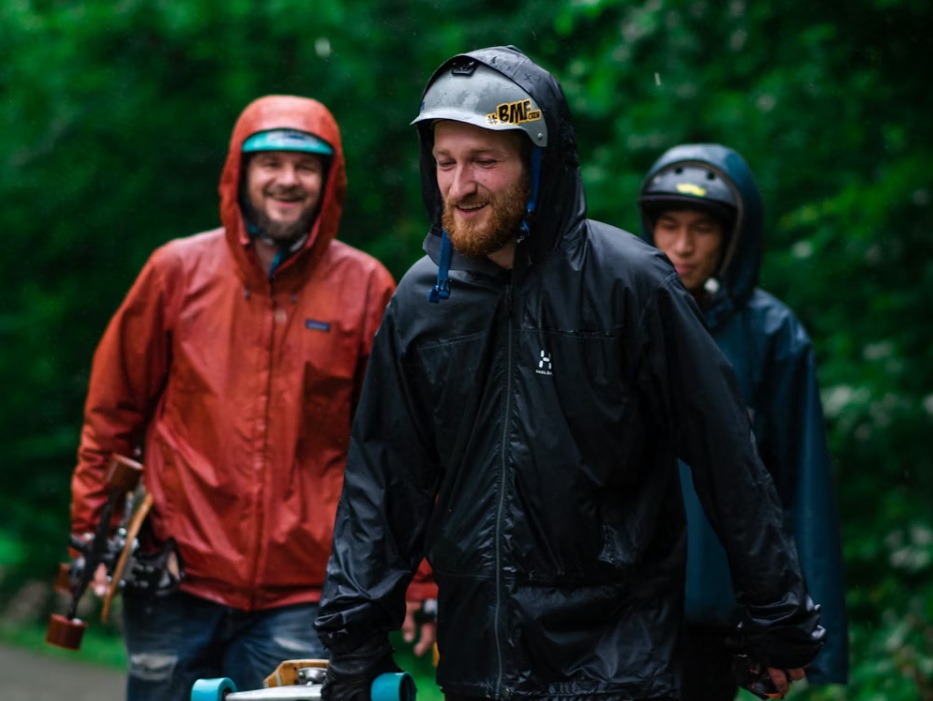
Atmungsaktivität ist besonders wichtig bei aktiven Sportarten wie Radfahren, Klettern oder Trailrunning. Diese Aktivitäten erzeugen Körperwärme und Feuchtigkeit im Inneren der Jacke. Eine atmungsaktive Membran verhindert Überhitzung. Sie lässt Feuchtigkeit gut entweichen und hält gleichzeitig Regen von außen ab.
Bei milderen Bedingungen wie leichtem Regen oder Nebel ist eine atmungsaktive Softshelljacke einer steifen Hardshelljacke überlegen. Sie bietet mehr Flexibilität und Komfort. Die besten Regenjacken Vergleich: Wasserdicht und atmungsaktiv – Vergleich zwischen Hardshell- und Softshell-Jacken Er weist darauf hin, wie moderne Designs Belüftungsreißverschlüsse unter den Armen, Mesh-Einsätze und Hybridmaterialien integrieren. Diese Merkmale verbessern gleichzeitig die Luftzirkulation und den Schutz.
Wie man eine Regenjacke vor dem Kauf beurteilt
Wichtige technische Spezifikationen zum Prüfen
Stofflagen (2-lagig, 2,5-lagig, 3-lagig)
Mehrlagige Konstruktionen beeinflussen sowohl Haltbarkeit als auch Gewicht. Zweilagige Jacken kombinieren eine Außenschicht mit einem atmungsaktiven Netzfutter für mehr Tragekomfort. 2,5-lagige Modelle verfügen zusätzlich über eine bedruckte Schutzfolie und sind leichter. Dreilagige Jacken vereinen alle Komponenten zu einer robusten Einheit, die sich ideal für alpine Bedingungen eignet. Diese Unterschiede erklären, welche Eigenschaften und Materialien für die Langlebigkeit von Regenjacken entscheidend sind.
Belüftungsmerkmale
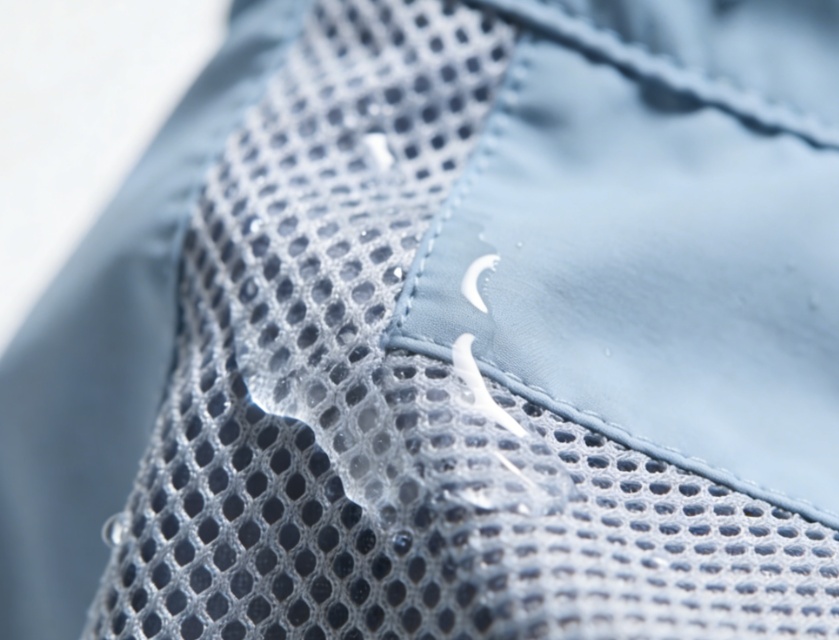
Unterarmreißverschlüsse, mit Mesh gefütterte Taschen und Rückenbelüftungen verbessern die Luftzirkulation bei starker Belastung. Diese Details tragen zur Temperaturregulierung bei, ohne die Wasserdichtigkeit zu beeinträchtigen. Sie erweisen sich als entscheidend beim Vergleich der wichtigsten Merkmale technischer Hardshell-Outdoorjacken.
Passform und Einstellbarkeit
Die optimale Passform unterstützt den praktischen Einsatz. Verstellbare Bündchen schützen vor Nässe an den Handgelenken. Kordelzüge am Saum halten Wind ab. Vorgeformte Ellbogen verbessern die Bewegungsfreiheit. Helmkompatible Kapuzen bieten zusätzliche Flexibilität beim Wandern oder Skifahren.
Häufige Fehler bei der Auswahl einer Regenjacke
Viele Käufer achten nur auf den Preis, anstatt auf eine ausgewogene Leistung zu achten. Das Ignorieren von Kleidungsschichten darunter kann, unabhängig von der Jackenqualität, zu Unbehagen führen. Ein weiterer häufiger Fehler ist das Vernachlässigen der Pflege. Durch regelmäßiges Erneuern der DWR-Imprägnierung bleibt das Obermaterial über Jahre hinweg wasserabweisend.
Wie Sie Ihre Regenjacke für verschiedene Aktivitäten auswählen
Outdoor-Abenteuer: Wandern, Camping, Trekking
Outdoor-Fans profitieren von robusten, wasserdichten Jacken mit verstärkten Nähten, die auch unwegsames Gelände problemlos meistern. Die Sportjacke ist ein vielseitiges Kleidungsstück, das sich für unterschiedlichste Aktivitäten eignet. Eine Outdoor-Regenjacke muss sich an verschiedene Untergründe anpassen, von alpinen Wanderwegen bis hin zu Waldpfaden. Sie bietet Bewegungsfreiheit, ähnlich dem lockeren Schnitt eines Sakkos, der in der klassischen Schneiderkunst zu finden ist. Dank ihrer kompakten Bauweise lässt sie sich bei plötzlichen Wetterumschwüngen einfach verstauen.
Städtische Nutzung: Tägliches Pendeln und Reisen
Für Stadtbewohner, die Wert auf Stil und Funktionalität legen, sind leichte Designs und klare Schnitte ideal. Eine moderate Wasserdichtigkeit in Kombination mit hoher Atmungsaktivität hält Pendler bei kurzen Schauern trocken, ohne dabei aufzutragen. Optionen wie Regenjacken in Übergrößen oder für Kinder bieten für jede Figur die passende Lösung und überzeugen durch ihre Funktionalität.
INVIDIA TEXTILE: Innovation bei Funktionsmaterialien für Oberbekleidung
Bei INVIDIA TEXTILE sind wir auf die Herstellung von Hochleistungs-Outdoorbekleidung spezialisiert, die fortschrittliche Technologie mit anspruchsvollem Design vereint. Wir fertigen Daunenjacken, Trenchcoats, Blazer und Regen-/Sportmäntel nach Ihren individuellen Wünschen. OEM- und ODM-Services sind verfügbar. Unser Team stattet jedes Kleidungsstück mit modernsten Membransystemen aus. So entsteht eine optimale Kombination aus Wasserdichtigkeit und Atmungsaktivität.
Unsere fortschrittlichen Fertigungsmöglichkeiten umfassen nahtloses Schweißen, das durch unsere Ultraschallschweißmaschinen ermöglicht wird. Dieses Verfahren verbessert die lokale Wasserdichtigkeit bei gleichzeitiger Erhaltung der Flexibilität. Es ist ein Markenzeichen unserer nahtversiegelten Bekleidungslinie, die nach strengen Standards mit einer Wasserdruckbeständigkeit von über 4000 Einheiten getestet wurde.
Wir sind stolz auf unsere umweltfreundlichen Produktionsmethoden. Sie reduzieren die Umweltbelastung und gewährleisten gleichzeitig Langlebigkeit und hohe Funktionalität. OEM & ODM-Dienstleistungen Wir unterstützen Marken weltweit. Sie können maßgeschneiderte Oberbekleidungskollektionen entwickeln, die ihren Marktbedürfnissen entsprechen. Das Sortiment umfasst leichte Reisemäntel sowie Expeditionsjacken. Alle Artikel durchlaufen strenge Qualitätskontrollen.
FAQ (häufig gestellte Fragen)
Frage: Kann mich eine atmungsaktive Regenjacke bei intensiver körperlicher Aktivität trocken halten?
A: Ja, sofern es mit hochwertigen, atmungsaktiven Membranen ausgestattet ist, die Feuchtigkeit effizient ableiten. Die Kombination mit feuchtigkeitsableitender Funktionsunterwäsche erhöht den Tragekomfort bei Anstrengung.
Frage: Was zeichnet strapazierfähige Regenjacken aus und welche Materialien heben sie von Konkurrenzprodukten ab?
A: Die Haltbarkeit hängt von einer mehrlagigen Gewebekonstruktion in Kombination mit verstärkten Nähten und einer kontinuierlichen DWR-Imprägnierung ab. Synthetische Membranen wie ePTFE zählen weiterhin zu den besten Materialien für langfristige Beständigkeit.
F: Sind Hardshell-Regenjacken wasserdichter und atmungsaktiver als Softshell-Jacken?
A: Hartschalenjacken sind bei extrem nassen Bedingungen aufgrund ihrer höheren Wasserbeständigkeit überlegen. Weichschalenjacken hingegen eignen sich hervorragend für gemäßigte Klimazonen und bieten mehr Bewegungsfreiheit sowie eine optimale Belüftung – ideal für aktive Menschen, die ganzjährig vielseitige Ausrüstung suchen.
