 +86-13634185427

Breathable Waterproof Fabric: MVTR vs RET Ratings Explained for Outerwear Buyers


When selecting a breathable waterproof fabric its not as simple to compare just the largest number on two supplier reports. The moisture vapor transmission rate (MVTR) indicates the amount of water vapour that passes under a given test, while resistance to evaporative heat exchange attempts is represented by retention. This one rewards a higher result and that one (the other) lower but none of these values makes sense without the method, the specimen and conditions. The aim for outerwear buyers isn’t to convert one rating into the other. By itself, however, it is to create an RFQ that generates equivalent proof of the very same manufacturing product.
What Do MVTR and RET Mean for Breathable Waterproof Fabric?
MVTR Reports Water-Vapor Transmission
MVTR is usually reported as a mass of water vapor passing through a defined area over a defined time, commonly expressed in grams per square meter per 24 hours. A larger number indicates more vapor transmission through that particular method and setup. Nevertheless, distinct temperatures, humidity gradients or cup arrangements and specimen orientations can be used in various test methods.
Consequently, an MVTR value should never stand alone. A breathable waterproof fabric report should name the test method, procedure or variant, laboratory conditions, unit, specimen description and result. Two numbers with the same unit may still be unsuitable for direct comparison if the methods differ.

RET Reports Evaporative Resistance
RET represents the material’s resistance to evaporative heat transfer and is normally expressed in square-meter pascals per watt. A RET result of lower than the stated method suggests lesser resistance. Usually, this test is performed on a controlled Hot-plate simulating the heat and moisture transfer through the specimen. The apparatus is commonly related to the construction of a heated plate that serves as mannequin for warmth and moisture passage via it.
Se MVTR and RET values describe the same moisture-management behavior but have different measurement approaches. Specific MVTR outcomes do not convert directly into equivalent RET results, no single formula can perform that conversion. Breathable waterproof fabric comparison should compare like methods, conditions and units in one place. When comparing breathable waterproof fabrics keep like methods, conditions and units together
Why Can Breathable Waterproof Fabric Ratings Differ?
Test Method and Laboratory Conditions Matter
Temperature, relative humidity, airflow, vapor-pressure difference, test duration and specimen conditioning can affect the result. The method may also specify how the fabric faces the moisture source. Changing one variable can alter the measured value even if the material is unchanged.
This is why buyers should push back against threshold tables that do not disclose the test method. These tables are likely only useful if every value comes from the same procedure. Make sure that the supplier gives you a full report instead of injecting some headline breathable waterproof fabric number into a quote for purchase decisions. When making buying decisions, request the whole report as opposed to simply copying a headline breathable waterproof material number right into a quote
Specimen Construction and Color Matter
The specimen must match the material being purchased. Record the face fiber, weave or knit, membrane or coating, backer, total weight, finish, color and lot when available. A fabric-only result does not automatically represent a finished garment with seam tape, pockets, lining and insulation.
Colour and finishing are also influencing processing and material behaviour. The correct way is to test the production-quality material in that color and construction. When a breathable waterproof fabric changes, the buyer must insist on confirmation/retesting if the report deals with development sample. If the fabric changes without exception to heat responsiveness properties please add general set up report section comments (CD, DRI) on a development sample and/or retest if that will be consistent when changing out breathable waterproof fabrics.
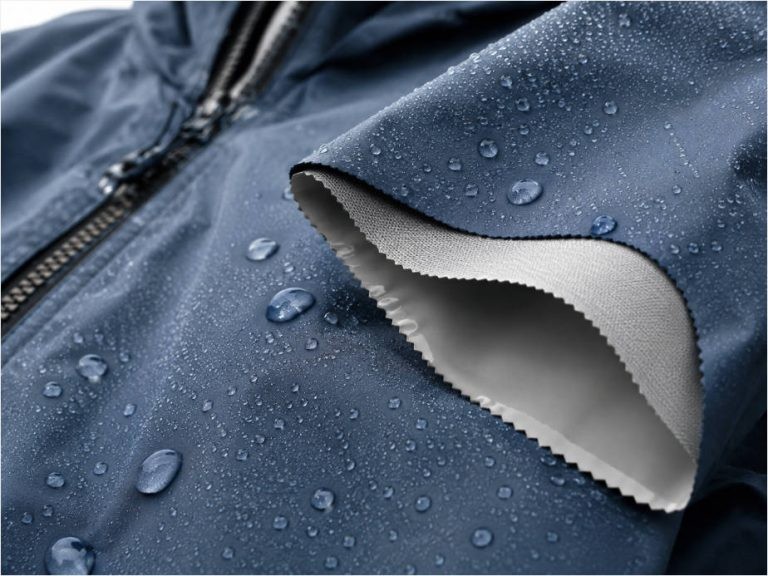
How Should Buyers Compare MVTR vs RET Reports?
Read the Report Header Before the Result
Begin with the laboratory, report date, client, sample identification and test standard. Then check procedure details, conditioning, unit, individual results, average and any deviations. Photographs or a clear sample description help connect the report to the fabric submitted.
Type into a comparison sheet a row by candidate with dedicated columns for method and conditions. Do not compare an MVTR figure next to a RET figure as if they were both referenced back to the same scale. Because for breathable waterproof fabric, a number with no connection to its origin may mean relatively little; traceability is more important than an impressive stat. In the case of breathable waterproof fabric, traceability is more helpful than a big number with no clear definition
Check Whether the Claim Matches the Evidence
On the other hand, a supplier may label one cloth as breathable, and/or waterproof. Those claims should be segregated and supporting documentation requested for each. Hydrostatic waterproofness does not establish moisture-vapor transmission, and a breathability result does not establish its meaning (or lack of it). Aresult of waterproofness does not mean that unlike moisture-vapor transmission to hydrostatic waterproof denim
Garment design also affects perceived comfort. Fit, ventilation, activity, insulation and climate change the moisture load experienced by the wearer. Use laboratory ratings to compare controlled specimens, then evaluate a finished prototype for the intended product scenario.
What Should a Breathable Waterproof Fabric RFQ Include?
Specify the Material and Required Test Evidence
The RFQ should define product use, target climate, fabric construction, laminate or coating, backer or lining, weight, finish, color and hand feel. Describe what MVTR, RET, waterproofness or combined it the buyer needs and destruct acceptable method and unit. Ask for the candidates results first, if no threshold itself has been validated through a survey that one might just invent.
Ask the supplier to attach reports that identify the exact specimen. The purchase specification should also explain how substitutions, color changes and new lots will be handled. This makes breathable waterproof fabric approval a controlled decision rather than an unverified marketing claim.
Connect Fabric Approval to Sampling and Production
Material procurement must develop based on the bill for fabrics and accessories that has been approved. The development can have a CAD pattern, counter or fit sample and go through additional rounds until the garment fit is approved. This sample must be made with the approved bulk fabric and accessories so that the buyer can assess how these work together before any production occurs.
For bulk production, inspection should check matching of incoming fabric identification number to the reference approved on swatch, color and appearance & construction with websites updated. Measurements, seam taping, closures and labels can also be examined on a production-line basis prior to packing for delivery. The fabric report, swatch, pre-production sample and purchase order can all be traced back to a single file. All Fabrics report, swatch & pre-production sample with a purchase order in one traceable file
How Can INVIDIA TEXTILE Support Breathable Waterproof Fabric Selection?
Fabric Options and Custom Outerwear Development
INVIDIA TEXTILE supports OEM and ODM development based on a buyer’s fabric, style, accessories, product concept and target market. Our verified outerwear comes complete with detachable hoods and fully taped seams. Think of us as your ‘personal assistant’ — coordinating custom sizes, colors, fabrics and styles for you all in one.
From Report Review to Bulk Inspection
For a breathable waterproof fabric program, our team can source material options, prepare samples and align the selected fabric with the garment construction.
We discuss the product concept, target market, fabrics, styles and accessories during inquiry; material procurement covers fabrics, accessories and packing materials. Our process can include CAD patterns, fit samples and a pre-production sample made with approved bulk materials.
Usein kysytyt kysymykset
Q: Is a Higher MVTR Result Always Better for Breathable Waterproof Fabric?
A: A higher result indicates greater vapor transmission only within the same method and conditions. Do not compare headline values from different procedures without reviewing the full reports.
Q: Is a lower RET result better for breathable waterproof fabric?
A: Within the same RET method, a lower value means lower evaporative resistance. The result still needs the method, specimen and test conditions to be commercially useful.
Q: Can Buyers Convert MVTR Into RET for Breathable Waterproof Fabric?
A: There is no universal conversion because the metrics use different test approaches and units. Specify one accepted comparison method for each sourcing decision and compare like with like.
