
 +86-13634185427


Come scegliere le giacche & Ski Outerwear per diverse condizioni meteorologiche fredde


Il Til ruolo di piumone e abbigliamento da sci nel tempo freddo
Perché scegliere il giusto abbigliamento esterno è cruciale per le diverse condizioni invernali?
Quando le temperature scendono bruscamente, la tua scelta di abbigliamento esterno può davvero influenzare quanto ti senti comodo, sicuro ed efficace. Un buon isolamento e scudi contro il vento e l'umidità sono la chiave per evitare ipotermia, congelamento o semplice vecchio disagio. Per le persone che amano gli sport invernali o sono bloccate fuori per lunghi tratti, una giacca cattiva può trasformare un divertimento in qualcosa di rischioso.
Outerwear realizzato per determinati tipi di attività e luoghi aumenta il tuo successo. Un set di giacca per lo sci in movimento veloce viene costruito in modo diverso da quello per passeggiate lente in città. Inoltre, i migliori materiali gestiscono la resistenza, il flusso d'aria e la gestione dell'umidità. Queste cose sono importanti per mantenere il calore del corpo sotto controllo durante gli sforzi duri.
Quali sono le principali differenze tra giacche e abbigliamento da sci?
Le giacche in piuma mettono il calore prima con l'isolamento leggero. Questa configurazione li rende ideali per attività tranquille o semplici in posti secchi e freddi. D'altra parte, gli outerwear da sci vengono pianificati per il movimento attivo e i colpi meteorologici. Di solito ha componenti aggiuntivi come gonne da neve, cuciture forti e cerniere ad aria.
Come è’ re made è molto diverso. Le giacche in piuma mirano a una forte potenza di riempimento e dimensioni piccole quando imballate. Gli outerwear da sci enfatizzano il blocco dell'acqua, il passaggio dell'aria e come funziona con gli strati. La facilità di movimento li distingue anche. Giacche da sci vengono modellate e fatte per gestire un sacco di piegatura e oscillazioni del braccio.

Valutare le piumone: calore, potenza di riempimento e casi d'uso
Cosa significa la potenza di riempimento e come influisce sul calore?
La potenza di riempimento controlla il soffio o la morbidezza del giù. Mostra quanto aria può contenere un’oncia. Una potenza di riempimento superiore, come 700 o più, fornisce calore in più con un peso minore. Funziona bene per i punti freddi ma secchi. Giacche con meno potenza di riempimento, diciamo da 500 a 600, costano meno e si adattano bene per condizioni meteorologiche più morbide. Funzionano anche come parte di una configurazione a strati.
Quando scegliere una giacca piuttosto che una giacca da sci?
Giacche in piuma si adatta meglio in ambienti secchi e freddi con poca pioggia. Essi fanno bene nelle zone urbane, rilassanti gite invernali, o per le persone in viaggio che vogliono imballaggio leggero. Cappotto perfetto per lavoro, viaggio, escursionismo, vita quotidiana o festival. Eppure, down’ La potenza di conservazione del calore cade rapidamente quando si bagna. Quindi non’ t adatto neve pesante o luoghi piovosi a meno che non si aggiunge una conchiglia impermeabile su di loro.
Quali caratteristiche dovresti cercare in una giacca da piuma ad alte prestazioni?
Qualità dell'isolamento
Cercate una fonte responsabile e un'alta potenza di riempimento per garantire pratiche etiche e prestazioni ottimali.
Materiale della conchiglia & Resistenza al tempo
Una giacca in piuma solida ha bisogno di uno strato esterno che versa acqua. I rivestimenti resistenti all'acqua (DWR) sono un must per evitare l'umidità leggera. I tessuti che bloccano il vento aiutano a trattenere meglio il calore riducendo la perdita di calore del flusso d'aria.
Progettazione & Considerazioni adatte
Le giacche superiori hanno cappuccio, polsini e orli cambiabili che bloccano il calore. Le vestiture strette consentono di mantenere il calore più nitido, ma potrebbero limitare l'aggiunta di strati. Le vestibilità sciolte consentono agli strati base e intermedi di proseguire senza problemi.
Scegliere l'abbigliamento da sci: protezione, traspirabilità e livello di attività
Cosa rende gli abiti da sci diversi dalle giacche invernali normali?
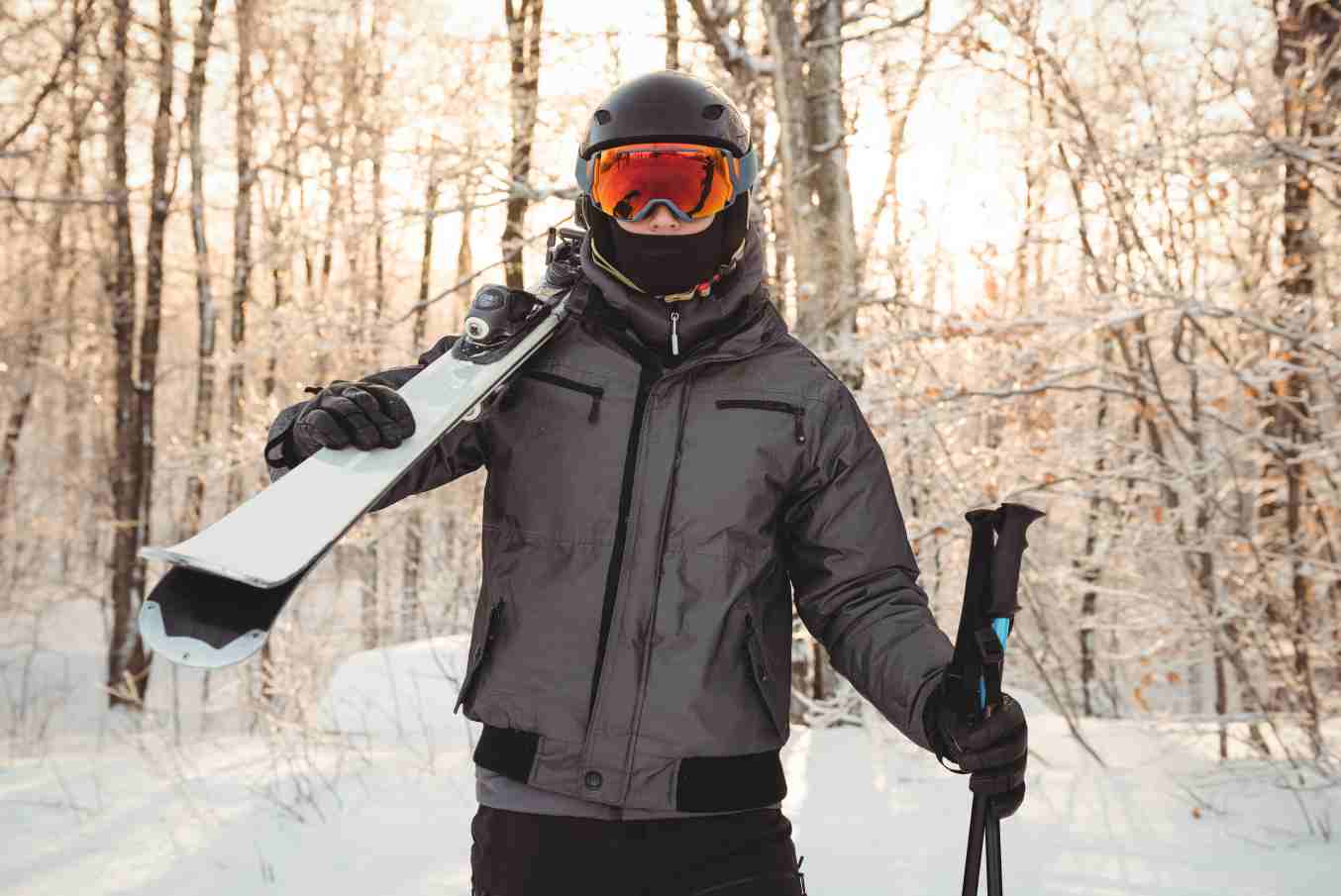
Giacche da sci vengono realizzate solo per giochi di neve vivaci. La giacca da sci deve essere impermeabile. Le prestazioni impermeabili come 10K-20K mm determinano quanto combatta bene la neve e la pioggia che entrano. Le giacche da sci utilizzano anche pellicole che muovono l'aria, a 10K g / m² / 24h. Questi permettono al sudore di evaporare durante il duro lavoro.
Parti extra come gonne in polvere impediscono che la neve si infiltri durante i tumbles o le spesse piste di neve. Cuciture dure, tasche per skipass, cappucci che si adattano ai caschi e protezioni per il polso soddisfano le esigenze speciali degli sciatori.
Come scegliere la giusta giacca da sci in base al tuo stile di sci?
Resort sci contro Backcountry Touring
Per lo sci in resort, dove si può sedere su impianti di risalita o affrontare raffiche, giacche imbottite danno calore pronto. Gli sciatori di backcountry guadagnano dalle giacche leggere. Questi permettono cambiamenti di strato facili in base a salite in altezza o cambiamenti meteorologici.
Frequenza & Durata di utilizzo
Gli sciatori regolari dovrebbero scegliere scelte molto difficili come le costruzioni a 3 strati. Questi resistono a graffi e umidità a lungo raggio. Ogni tanto gli utenti potrebbero scegliere giacche a 2 strati. Costano meno ma danno comunque scudi principali.
Quali caratteristiche tecniche dovresti cercare in abbigliamento da sci di qualità?
Elementi resistenti alle intemperie
Le cuciture completamente nastrate sono un must per le grandi giornate di neve. Gonne da neve e stili a collo alto aiutano a trattenere il calore e bloccare la neve.
Sistemi di ventilazione
Le cerniere delle ascelle e le aperture di ventilazione a maglia consentono agli sciatori di perdere calore rapidamente durante le ripide cadute. Lo fanno senza perdere le guardie contro il vento o la neve.
Abbinamento di abbigliamento esterno a specifici scenari meteorologici freddi
Come si vestisce per freddo secco vs umido neve condizioni?
Ambienti secchi e freddi (ad es. montagne rocciose)
Giacche in piuma ad alto riempimento danno il massimo calore senza peso in più. Combinali con strati di base che tirano l'umidità in lana merino o fibre false. Questo ti mantiene asciutto dall'interno.
Clima umido e neveoso (ad es. Pacifico nord-ovest)
Abbigliamento da sci impermeabile diventa vitale nei punti umidi. Il falso isolamento funziona meglio qui. Mantiene il calore anche quando è bagnato. Questo battere giù, che cade gonfiore quando colpito dall'umidità.
Qual è la migliore strategia di abbigliamento esterno per il clima di montagna variabile?
Approccio del sistema di stratificazione
- Strato di base - Scegli materiali che wickano l'umidità come lana merino o miscele sintetiche.
- Mid Layer – Usa giacche in pile o leggere per catturare il calore.
- Strato esterno – Una giacca impermeabile/traspirante protegge contro vento e neve permettendo allo stesso tempo alla fuga dell’umidità interna.
Introducendo INVIDIA TEXTILE: Innovazione nei materiali per abbigliamento a tempo freddo
Chi è INVIDIA TESSILE Cosa distingue i loro prodotti?
In INVIDIA TEXTILE, ci concentriamo sulla tecnologia di tessuti innovativa realizzata per l'abbigliamento invernale. Personalizziamo giù / giacca gonfia, giacca qulited / imbottita, cappotto PU / shearling, abbigliamento da pioggia / cappotto sportivo per voi, OEM & amp; I servizi ODM sono disponibili. La nostra spinta verso modi verdi assicura che tutti i materiali raggiungano marchi mondiali come OEKO-TEX.
In che modo i tessuti di INVIDIA TEXTILE migliorano le prestazioni delle giacche in piuma e degli outerwear da sci?
Efficienza termica & Costruzione leggera
Le nostre piccole fibre pianificate portano grande calore senza peso inutile. Questo mix chiave aiuta sia piumone e abbigliamento esterno da sci.
Gestione dell'umidità & Durabilità
I tessuti ultra leggeri / traspiranti / resistenti all'acqua / antivento garantiscono una facilità duratura nei compiti esterni. Combattono anche i danni col passare del tempo.
Innovazione eco-cosciente
Mettiamo materiale riutilizzato nelle nostre linee di tessuti. Questo supporta passi verdi senza danneggiare quanto funzionano o sembrano.
Domande frequenti
D: Posso indossare una giacca durante lo sci?
R: Sì, ma solo in condizioni secche o come strato medio isolante sotto un giacca impermeabile durante lo sci in climi umidi o durante forti nevicate.
D: Come faccio a sapere se la mia giacca da sci è abbastanza traspirante?
R: Verificare la valutazione di traspirabilità misurata in grammi per metro quadrato per 24 ore (g/m²/24h). Un rating superiore a 10K g/m² è generalmente sufficiente per attività moderata; punteggi più alti sono migliori per lo sci intenso o il tour dove la gestione del sudore è critica.
D: Una potenza di riempimento superiore è sempre migliore in una piuma?
R: Non necessariamente. Mentre una maggiore potenza di riempimento offre un migliore rapporto calore-peso, è più costoso. Per i climi più miti o gli acquirenti consapevoli del budget, una potenza di riempimento inferiore (circa 600) potrebbe essere sufficiente se combinata con strategie di stratificazione adeguate.
