
 +86-13634185427

Packable Puffer Jacket Design Guide: Denier, Fill Power, Baffles and Compression


What Defines a Packable Puffer Jacket?
How Should Brands Choose Puffer Jacket Fabric and Denier?
For puffer jacket outer layers, nylon or polyester fabrics are common choices. Check the weight, weave, finish, color and level of water- or wind-resistance of the chosen fabric. The name of the fiber alone does not indicate the level of performance.
This product is filled with 90/10 down-and-feather, with a nylon ripstop outer shell and polyester lining. An alternative construction is a polyester outer and lining filled with polyester filling.
Denier is a measure of the linear mass of a filament yarn and does not give a complete indication of the strength or quality of a fabric. A lower denier fabric may be suitable for a lighter construction, but other factors such as yarn construction, fabric structure, finish and end use of garment all need to be taken into account. A target denier should be set after sample evaluation and/or agreed tests. Denier should not be specified in isolation from the abrasion areas, pocket construction and care of the proposed jacket.

How Do Fill Power and Insulation Type Affect Packability?
The fill power indicates the loft volume of down per given amount of down, and has to be measured according to a test method. With a given test basis, the fill power is a good indicator of down quality. However, the fill power does not indicate how much insulation a jacket has, nor does it guarantee a certain temperature. A garment’s thermal performance is also influenced by the fill quantity, fill distribution, baffles, outer material, outer cut, layering and use.
Insulations such as down and synthetic need to be looked at in different design parameters. Down can loft up and then compress down greatly, whereas a synthetic fill is chosen for its specific performance, cost, care, etc. Neither automatically makes a jacket more packable. Insulation type, amount of fill, construction, and recovery expected need to be specified and then reviewed on the actual sample that has been compressed and then released.
How Do Puffer Jacket Baffles Control Warmth and Compression?
A jacket’s baffle layout divides and distributes the insulation across the garment. The baffle layout influences the aesthetic qualities of the jacket, its construction and how it will pack down. An attractive quilt pattern does not necessarily indicate that the fill is evenly distributed or that the garment has good thermal properties.
Box Baffles or Quilted Puffer Jacket Construction?
There are box-baffle constructions where there are more compartments between the outer layer and the inner layer, and sewn-through quilting where the layers are joined at the stitch lines. The choice between the two methods is influenced by the outer layer, the insulation, and the desired product profile. In each case, there are pros and cons in terms of pack size, construction complexity, and the tendency of insulation to shift and create thinner areas at seams.
Per un packable puffer jacket, buyers should review baffle dimensions, spacing, fill distribution and the placement of seams near high-movement areas. Narrow or irregular compartments can affect how insulation settles; very bulky construction can work against compact storage. These are design questions to resolve on the prototype, not assumptions to settle from a sketch alone.
How Do Seam Layout and Recovery Affect a Packable Puffer?
While seams in a jacket help to form it and keep insulation in place, the lines where they are stitched can create problem areas where there is less insulation between the wearer’s skin and the outside world. When designing a jacket, consideration should be given to where the seams are in relation to the intended insulation structure and not simply maximized to add more quilting for aesthetic reasons. The material of pockets, closures and panels also needs to be included in the overall packed volume.
Compression recovery is the jacket’s ability to regain its intended loft and shape after being packed. Review the sample using a repeatable packing method and period, then compare its appearance and feel after release. This is a practical product check, not a substitute for a defined laboratory test. If the brand has a pack-size target, specify how the garment will be folded or compressed and what condition it should meet after unpacking.
What Should Brands Specify in a Packable Puffer Jacket Brief?
A clear brief enables you to translate your design concept into details that a supplier can source and produce, and then test and inspect before approving evidence of the end result.
Which Puffer Jacket Details Belong in the Tech Pack?
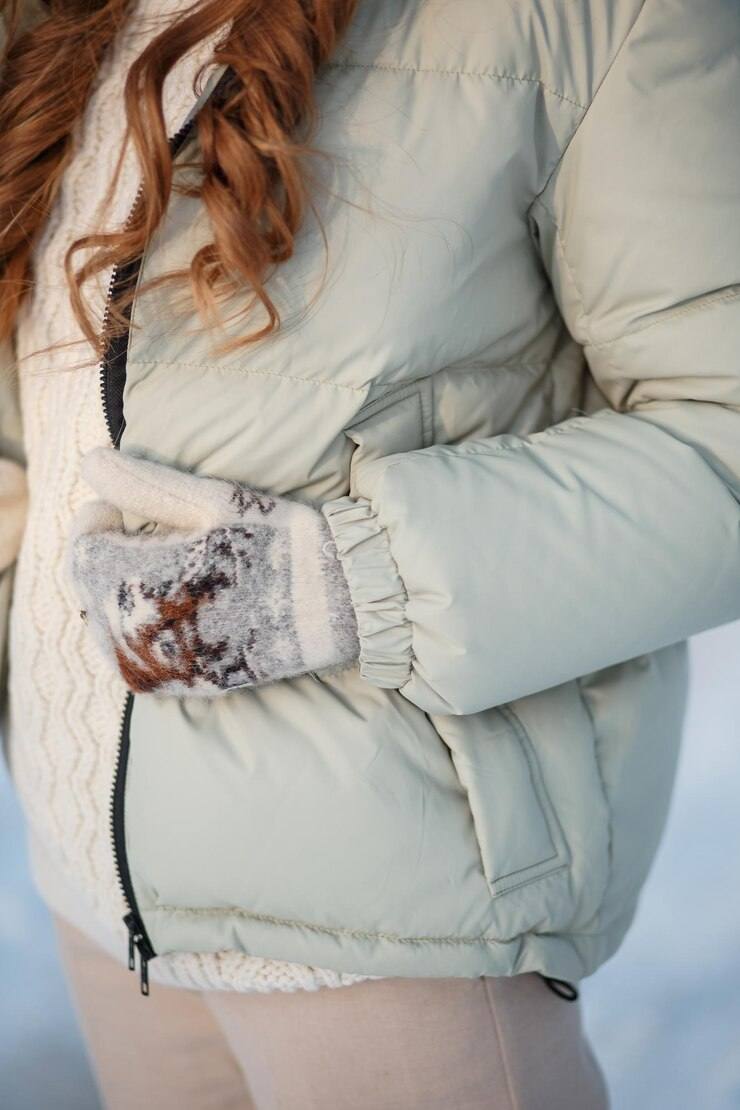
Record shell and lining fabrics, insulation type, baffle layout, garment measurements, closure and pocket details, colors, labels and logo placement. State whether the jacket is intended for everyday wear, travel or another use, because that context affects decisions about weight, durability, warmth and storage. Include reference images or a sketch when proportions and quilting details matter.
For fill power, specify the test basis for the fill power rating and do not confuse this with a total warmth specification. For packability, specify a practical target and how this will be measured. If water- or wind-resistance is required, specify the relevant material requirement and how this will be tested. Unspecified performance adjectives can have different meanings to a brand and a supplier.
How Should Buyers Review Compression and Sample Results?
Compare the prototype against the brief for fit, loft distribution, seams, zip function and feel. Test the sample after it has been packed and released, recording the recovery. A prototype made with substitute materials cannot confirm final performance, even when its pattern and construction method match the planned production sample.
The materials needed for production of a product, such as a garment, are the shell fabric, the lining, accessories for the garment and the materials for packing the garment. CAD patterns are developed into a counter sample or fit sample. Additional samples may be needed before the final fit sample is approved. A pre-production sample is then made up with the approved bulk fabric and accessories prior to production commencing.
Some changes to fabric, fill or baffles can affect packed volume and recovery. Review such changes on the sample and retain the “as agreed” sample for bulk check.
How Can INVIDIA TEXTILE Develop Packable Puffer Jackets?
Al INVIDIA TESSILE, we support outerwear development by creating a product plan, selecting materials and accessories, creating a sample and inspecting production. We work from a product concept, which is directed at a specific target group. We discuss the required fabrics, colors, styles and accessories for the development of a product within the scope of the inquiry.
Customize Puffer Jacket Fabrics, Fillings and Baffles
We can customize fabrics, colors, styles and sizes, as well as add your labels and logos. Our down construction consists of nylon shells, polyester linings and 90/10 down-and-feather filling. We also have padded construction made of polyester shells and linings filled with polyester. We can also develop from original samples or photos.
Move From Puffer Jacket Samples to Bulk Production
Our development workflow can include inquiry, material procurement, CAD pattern work and counter or fit samples. Further sample rounds may be needed for final fit approval. We prepare the pre-production sample with the final approved bulk fabric and accessories. At INVIDIA TEXTILE, we carry out product inspections on the production line before delivery.
Domande frequenti
Q: What Fabric Is Used for Puffer Jackets?
A: Some of the common types of shell material used are nylon and polyester. However, the fabric name doesn’t indicate the finished fabric. Buyers should check fabric type, weight, finish, color and required properties on the sample selected.
Q: Does Higher Fill Power Always Make a Puffer Jacket Warmer?
A: No. Fill power is a measurement of loft under specified test conditions. Many other factors such as fill quantity, baffle design, use, fit and the nature of the shell also affect a garment’s warmth.
Q: How Can Buyers Check Whether a Puffer Jacket Is Packable?
A: Agree on a packing method and pack-size expectation, then compress and release the sample consistently. Review recovery, appearance and construction, and repeat the check on the approved pre-production sample if packability is a key product requirement.
