
 +86-13634185427

Color-Changing Rain Jackets: Is a Hydrochromic Jacket Waterproof?


A hydrochromic jacket changes visually when water reaches a reactive print or coating, but that reaction does not prove that the finished garment is waterproof. For a sourcing team, the useful question is not simply whether the pattern appears in rain. Buyers also need to know how the shell, seams, closures and print behave as one system. A clear brief should therefore separate the desired color-changing experience from the required level of rain protection. This distinction helps brands approve a compelling design without turning a visual feature into an unsupported performance claim.
What Is a Hydrochromic Jacket?
Come fa Hydrochromic Clothing Change in Water?
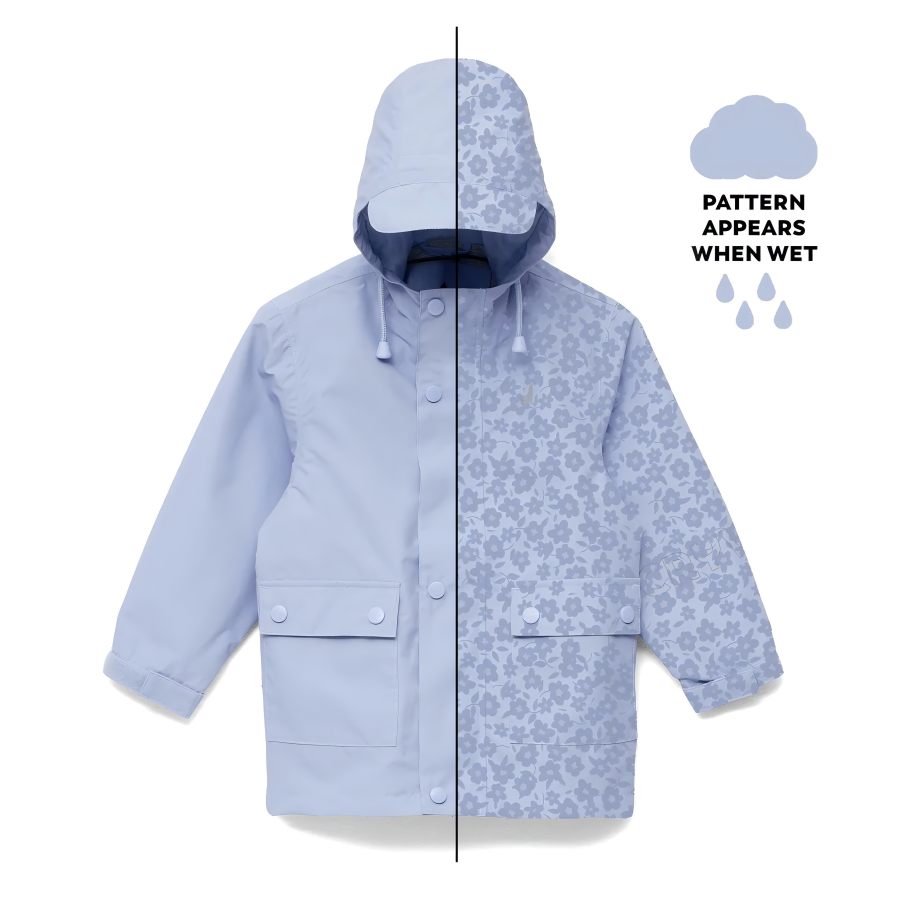
Hydrochromic clothing uses a water-responsive ink or coating to alter the appearance of a chosen area. Depending on the approved artwork, water can reveal a hidden pattern, bring out a color, or make words and logos visible. The effect can reverse as the treated area dries, returning the design toward its original appearance. A buyer should define the dry state, wet state and intended transition in the design brief. Those visual references give the sample team something observable to approve without assuming a particular chemical formula.
What Makes a Hydrochromic Fabric Jacket Different?
In a hydrochromic fabric jacket, the active treatment is only one part of the material package. The base fabric must accept the selected print or coating, preserve the required hand feel and support the intended garment construction. Placement also matters: a large all-over effect, a panel graphic and a small logo create different registration and consistency risks. The hydrochromic jacket sample should therefore identify the treated face, artwork boundaries and acceptable dry-to-wet appearance separately from shell-performance requirements.
Is a Hydrochromic Rain Jacket Actually Waterproof?
Why Does a Hydrochromic Raincoat Need Separate Waterproof Evidence?
A hydrochromic raincoat proves that moisture can activate the design; the reaction alone says nothing conclusive about water passing through the shell or stitched areas. Even a strong visual response can appear on a garment that was designed only for light exposure. Conversely, a protective rain shell can carry a reactive print if the treatment is compatible with the fabric and construction. Buyers should state the intended weather use, test method and acceptance criteria instead of using “hydrochromic” as a substitute for a waterproof rating. Without verified test results for the selected item, product copy should describe the visual effect and avoid a broader protection claim.
Which Shell, Seam and Closure Details Control Rain Protection?
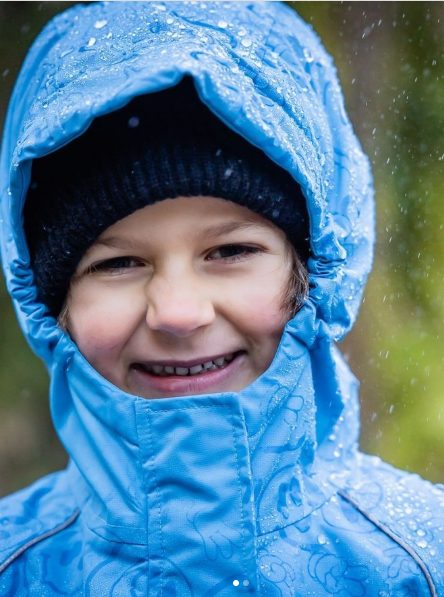
Rain protection depends on the full garment. Nylon and polyester shells can support rainwear directions, but the selected fabric and finish still need approval for the intended use. Stitching creates potential entry points, so a specification may call for taped seams in defined areas. Hood shape, front zipper protection, pocket openings, cuff adjustment and hem construction can also influence exposure. Each detail should appear in the tech pack and on the approved sample. This system-level review is more reliable than judging a hydrochromic jacket by the color change alone.
How Should Brands Test a Hydrochromic Fabric Jacket?
What Should Wet-Dry Sample Approval Measure?
Sample approval should begin with controlled observations. Compare the dry artwork with the wet result, check whether activation is even across the intended area, and inspect edges for poor registration or unintended gaps. After drying, confirm that the visual state recovers as agreed. Repeat the review on seams, curved panels and other locations where pressure or distortion may affect the treatment. If several hydrochromic jackets form one range, compare samples side by side so color behavior and artwork scale remain coherent. The buyer and supplier should agree on the test conditions rather than inventing a universal number of cycles.
How Should Care and Durability Claims Be Approved?
Care instructions need evidence from the final material combination, not from the visual concept alone. The test plan can cover laundering, surface abrasion, repeated flexing and interaction between the reactive layer, shell finish and seam treatment. Results should be reviewed before the care label and marketing copy are finalized. If the sample shows a change in activation, adhesion or appearance, the team can adjust the artwork, placement, process or care direction. No wash-life, safety or service-life statement should be attached to a hydrochromic jacket until the relevant evidence is available.
Where Do Hydrochromic Jackets Fit in a Product Range?
Which Customer and Occasion Should the Design Serve?
The strongest concept begins with a defined wearer and occasion. Hydrochromic clothing may support a playful children’s rainwear capsule, a fashion-led commuter piece, an event item or a limited seasonal program. These directions require different silhouettes, artwork scales and levels of protection. A children’s brief may prioritize clear visual discovery and practical closures, while a city style may use a restrained pattern that appears only during rainfall. Brands should choose the role first and use the reactive effect to strengthen that role, rather than adding it to an unrelated jacket.
How Should Brands Brief Color, Artwork and Activation?
The tech pack should show both the dry and wet versions of the design, with placement measurements, color references and panel boundaries. It should also identify whether the artwork reveals a pattern, words, a logo or a full color field. For coordinated hydrochromic jackets, the brief should state which details remain consistent across sizes and which can scale. Base-fabric color deserves attention because it influences the contrast of the activated image. Final chemistry, print method and achievable color result remain subject to material review and sample approval.
How Can INVIDIA TEXTILE Develop Custom Hydrochromic Jackets?
What Can We Customize for a Water-Active Outerwear Brief?
Al INVIDIA TESSILE, we can develop an outerwear brief around requested fabrics, styles, sizes, colors, labels and logos. Our team uses the buyer’s target market and design direction to organize the material and sample discussion. For a hydrochromic rain jacket, we also define the dry artwork, activated artwork and placement before approval. INVIDIA TEXTILE treats the reactive feature and rainwear construction as separate specification fields so each can be reviewed on evidence.
How Do We Move From Reactive Print Sample to Production?
We begin with product planning and material review, then prepare a counter or fit sample for silhouette and construction feedback. Once the correct fabric, accessories, print result and fit are approved, we prepare a pre-production sample as the bulk reference. Production-line inspections can then compare workmanship and appearance with that approval. INVIDIA TEXTILE uses this staged process to help buyers move a custom hydrochromic jacket from concept to a controlled production brief.
Domande frequenti
Q: Does a Hydrochromic Jacket Stay Waterproof When the Color Changes?
A: The color change does not determine waterproofness. The finished garment needs separate evidence for the shell, seams, closures and agreed rain-protection requirements.
Q: How Should a Hydrochromic Raincoat Be Washed?
A: Follow the care label approved for the final fabric, print and construction. A generic wash instruction should not replace testing of the production material combination.
Q: Può Hydrochromic Clothing Use a Custom Logo or Pattern?
A: Yes, a brief can include a custom logo, pattern, words or color reveal, subject to artwork review and sample approval. The dry and wet appearances should both be documented.
