
 +86-13634185427

How Do Innovative Insulation Technologies Enhance Jacket Performance in Extreme Cold?


What Makes Winter Insulation So Effective in Cold Weather?
How Does Insulation Actually Keep You Warm?
Ever think about how a winter coat actually keeps you cozy when temps dip below zero? It’s all down to insulation. Those insulated winter coats are built to grab your body heat and keep it from slipping out. The stuffing inside—be it down or fake—makes tons of little air pockets. These slow down heat moving through conduction. That’s basically warmth seeping straight through the material.
Even bigger deal, the quiet air stuck in those pockets acts like a shield between your toasty self and the freezing world. Air sucks at passing heat, so it hangs onto your warmth. Pretty much bundles you up in a nice warm hug.
Why Is Air Such an Important Part of Insulated Winter Jackets?
Air does a sneaky but killer job at keeping you warm. Since it’s lousy at moving heat, snagging air is a prime way to stay insulated. More air locked in there, better the jacket clings to heat.
Things like down clumps and man-made polyester bits are designed to snag and hold onto that air. That’s why shaking out a puffy jacket feels toastier—it’s crammed with mini air spots fighting to stop your heat from bolting to the cold.
How Do Modern Materials Improve Jacket Performance?
What Are Some Innovative Materials Used in Winter Jackets?
Winter coats these days are all sci-fi. Take aerogel—crazy light, riddled with holes, traps way more heat than the old stuff. Then there’s shiny insides that ping your heat right back at you, keeping you warm minus the extra chunk.
Smart fabrics are next level too. They tweak how much they insulate based on your temp or what’s going on outside. Hiking a snowy slope or braving a gusty city block? These adjust to keep things just right.
How Do Breathable Membranes Help in Extreme Conditions?
Not just heat—gotta stay dry too. Breathable layers let sweat steam sneak out but block rain or snow coming in. Keeps you warm ’cause wet sweat chills you quick.
They also skip that gross sticky feel when you’re hustling. Hold the insulation steady even if you’re on the go. Crucial for skiing or winter walks.
How Do Jackets Protect Against Wind and Moisture?
 Why Is Wind Resistance So Important in Cold Climates?
Wind’s a real winter bully. It yanks away that slim warm air bubble around you, making it feel way colder. Wind-blocking coats have tight knits or coatings to keep gusts out.
Guarding that warm zone cuts down on convective heat loss—a top chill maker in winter.
What Features Help Jackets Resist Water Without Losing Warmth?
In slushy or snowy spots, being waterproof matters—but don’t let it kill the vibe. Solid insulated coats use barriers to fend off rain and snow while letting sweat bail.
Tough DWR coats make water ball up and slide away instead of sinking in. Bits like sealed seams and flaps cover weak spots. No wet getting in to mess up the insulation.
What Should You Look for in an Insulated Winter Jacket?
How Can You Tell If a Jacket Has Good Insulation?
Quick check: for down, peek at fill power. Higher means fluffier, warmer, no extra heft. Synthetics? Insulation grams—more usually equals hotter.
Baffle setup counts—the sewn pockets keeping stuff in place. Good ones dodge cold zones and spread heat even.
What Design Features Add to Overall Warmth and Comfort?
Key Features to Consider:
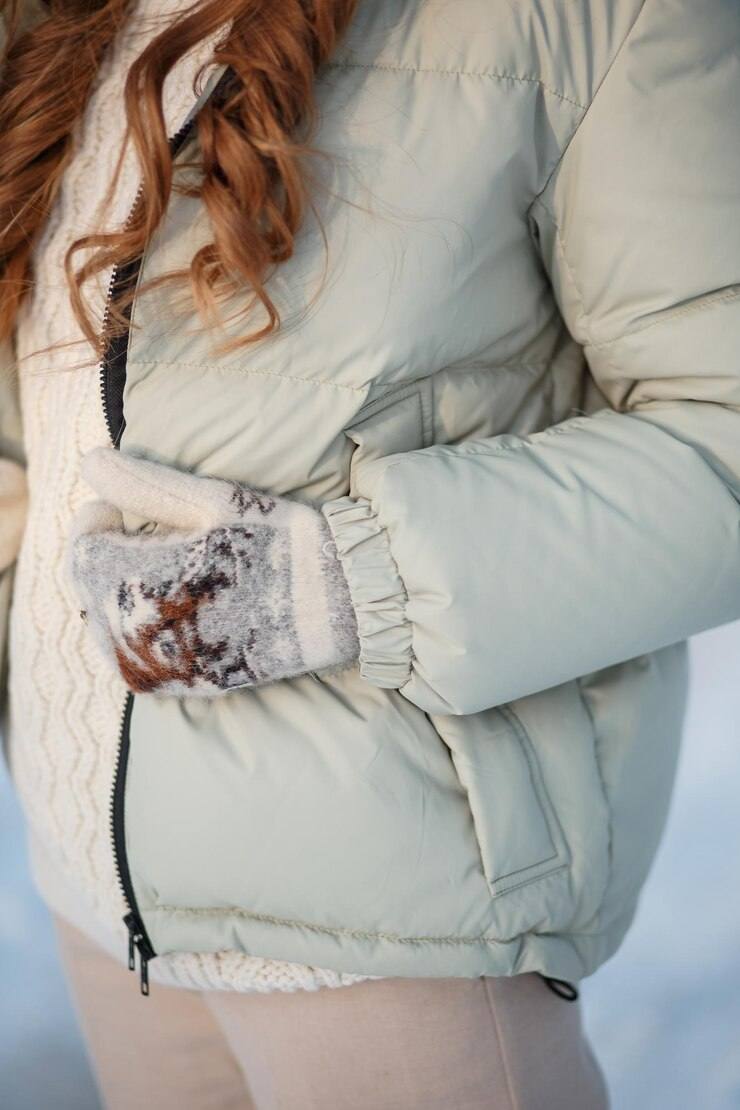
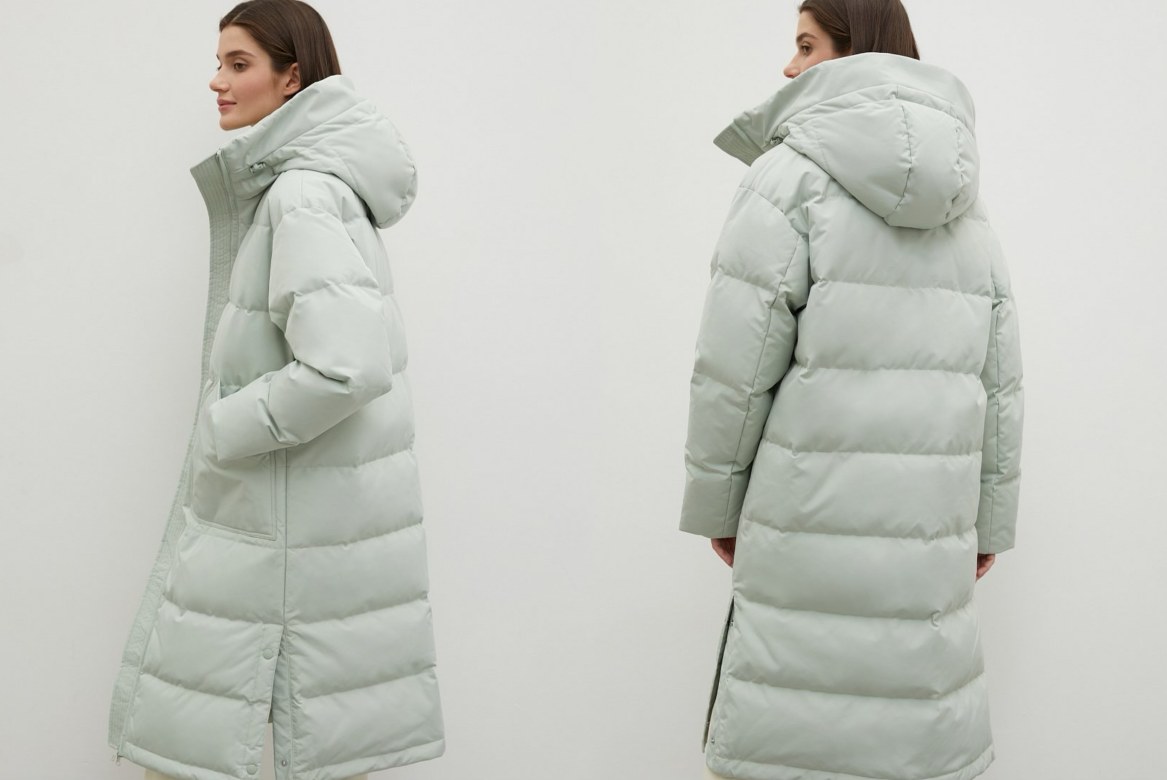
Look for hoods you can tweak for solid head cover against wind and flakes. Cuffs and bottoms with stretch or snaps seal heat in, cold out. Lots of top coats have layers or zip liners to dial insulation for what you’re doing or the weather. Those little touches can change everything when balancing warm and not too hot.
Which Innovative Brand is Making a Difference?
What Makes INVIDIA TEXTILE’s Winter Jackets Stand Out?
At INVIDIA TEXTILE, we mash up fancy winter insulation tricks with light feel and fresh looks—spot on for rough weather or casual days. We customize down/puffy jacket, quilted/padded jacket, trench coat/blazers, wool coat/sweaters, PU/shearling coat, rainwear/sporty coat for you.
Our jackets face hard tests for fabric toughness—from holding water pressure to keeping colors—ensuring gear that rocks in any spot. Our slick making includes weld seams for better waterproof, even where they join. Our quilting tech nails precise builds without ditching style or work. OEM starts at 300 pieces min, letting brands get custom winter insulated coats fit for their crowd.
FAQ
Q: What is the difference between down and synthetic insulation?
A: Down comes from duck or goose feathers and offers excellent warmth-to-weight ratio but loses effectiveness when wet. Synthetic insulation retains warmth even when damp and dries faster.
Q: How do I choose the right insulated winter jacket for my needs?
A: Consider your typical activity level, local climate, desired weight, breathability, waterproofing, and whether you prefer natural or synthetic materials.
Q: Can I wash my insulated winter jacket at home?
A: Yes, but always check the care label first. Use gentle cycles with mild detergent, avoid fabric softeners, and tumble dry on low with clean tennis balls if it’s a down jacket to restore loft.
