
 +86-13634185427


How to Easily Rewax Your Jacket and Restore Waterproofing


Why Rewaxing a Jacket Matters for Long-Term Protection
What Happens When a Waxed Jacket Loses Its Coating?
A waxed jacket’s protective layer slowly wears down through regular use, rain contact, and rubbing. As the wax layer thins out, the cloth loses its power to keep water away well. This leaves it open to dampness getting in and dirt marks. In the end, dim or washed-out spots on the outside serve as plain signs that rewaxing a jacket is essential to uphold function and toughness. Steady textile re proofing keeps the cloth from becoming dry and splitting. As a result, it boosts the life of your outerwear.

When the layer breaks down, folks often ask—do waxed jackets leave residue? In general, a correctly rewaxed jacket will not seem oily or tacky after it hardens. Still, too much or spotty waxing might cause small leftover bits. You can dodge this by putting on slim coats and rubbing away extra wax as you go.
How Often Should You Rewax a Waxed Jacket?
The rate of wax jacket upkeep hinges on how much you put it on and the settings you use it in. Jackets worn each day in damp spots or rough ground usually call for yearly reproofing wax jacket rounds. If you hardly wear your jacket or just take it out in soft weather, once every two years could do.
Ways to tell if waxed cotton jacket needs reproofing include no water rolling off when it meets damp and plain dryness in rub-heavy parts like elbows or cuffs. Routine checks make sure you spot wear soon. This stops it from harming the waterproof side.
Preparing Your Jacket for Rewaxing
Cleaning the Surface Before Applying New Wax
Before you kick off the steps of how to wax a jacket, check that it’s spotless and clear of grit or scraps. Take a moist sponge or rag with cool water to softly clean off soil. Steer clear of soaps since they pull out natural fats key to waterproofing. Let the piece air-dry in a breezy area—never by straight heat like heaters or sun rays.
If you’re curious about how to get wrinkles out of a waxed jacket, soft warmth from a hairdryer post-cleanup can ease out folds without hurting threads.
Inspecting for Damage Before Reproofing
Before you start reproofing a wax jacket, look closely at seams, cuffs, and shoulders for splits or weak spots. These areas take the heaviest rubbing and tend to reveal early damage clues. Fix tiny rips prior to adding fresh wax to guarantee smooth spread over every part. Swap out gone buttons or hooks if required so your piece keeps working after waxing a jacket.
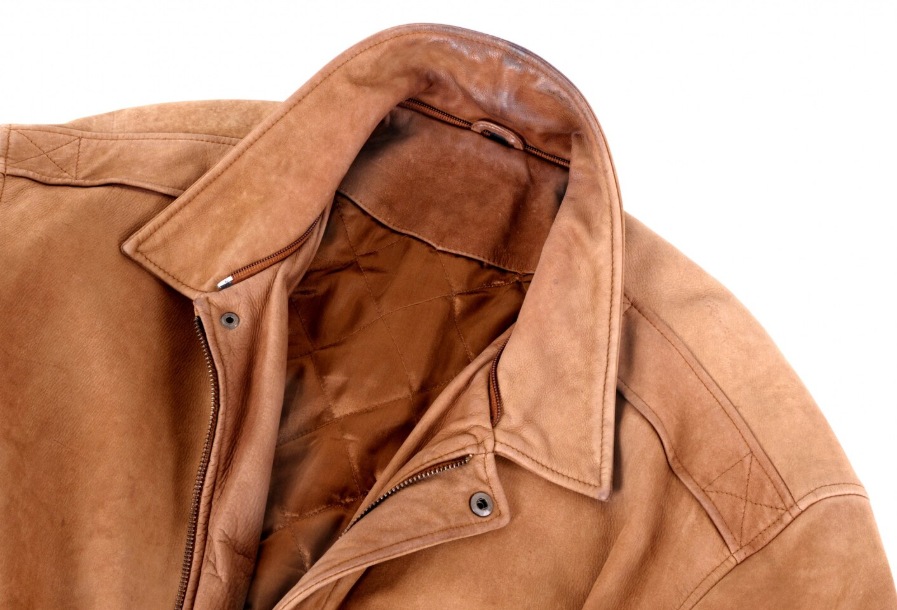
Step-by-Step Guide: How to Easily Rewax Your Jacket at Home
What Tools and Materials Do You Need?
Essential Items for Rewaxing
You’ll need:
- A tin of reproofing wax suitable for cotton outerwear.
- A soft cloth or sponge applicator.
- A hairdryer or bowl of hot water to soften the wax into a spreadable consistency.
These basic items matter for anybody picking up how to reproof a wax jacket smoothly at home.
Applying Wax Evenly Across the Fabric
Begin by heating your picked wax till it gets even but not loose. With round rubs, put on slim layers straight across the full outside. Give more focus to rub-intense zones like elbows, shoulders, and pockets where damage hits first. For solid outcomes as you reproof wax jacket stuff, skip heavy use—it brings stiffness and spotty shades.
Setting the Wax for Lasting Waterproofing
After you spread it, apply mild warmth from a hairdryer to sink the wax further into cloth strands. This part makes sure even uptake and blocks bunching. Rub off any spare bits with a fresh rag; this skips gumminess when set. Hang your piece through the night in a toasty space so it hardens right before you don it again—often 24–48 hours based on the heat level.
Aftercare: Maintaining Your Waxed Jacket’s Performance
How to Store a Waxed Jacket Properly
Right storage counts big in ongoing wax jacket upkeep. Place your piece in a chilly, dry spot far from straight sun or man-made heat that might soften its cover. Skip plastic wraps as they hold damp and spark mold—pick airy cotton bags for gear instead.
Cleaning Tips Between Rewaxing Sessions
For easy cleanup between whole rewax jobs, dab with cool water via a gentle brush as needed. Do not toss it in a machine wash or dry-clean since those ways yank out guard fats vital for waterproof action. Through steady habits like these, your coat stays tough versus rough weather all through the year.
Common Mistakes to Avoid During Rewaxing
Overheating or Overapplying Wax Layers
Too much warmth might harm strands or make hue fade patchily in how to waterproof a jacket with wax moves. Stick to even heat levels when melting goods. Likewise, heavy spreads cause hardness and tacky outsides—slim ones offer finer flex while holding safety.
Ignoring Regular Maintenance Routines
Missing yearly looks speeds up lasting cloth breakdown in time. Spotty spread leads to uneven waterproof patches that break in rain stress. Steady looks secure fair cover over each bit of your outerwear post every round of reproofing wax jacket handling.
INVIDIA TEXTILE: Enhancing Outerwear Durability Through Innovation
At INVIDIA TEXTILE, we grasp that toughness starts with top materials and careful making. For 15 years, we have guided as an OEM clothing ally crafting fine outerwear that blends looks with solid function over every weather type.
Our broad lineup holds both lasting favorites and the top picks of the season. Be it shaping trench coats, blazers, rainwear, sporty coats, or padded jackets—we make certain each item hits firm marks via cutting-edge check methods including Water Pressure and Fasteness Testing of Fabrics. Such checks back up waterproof steadiness even in tough outdoor setups.
We also use Seamless Welding Technology that boosts spot waterproof work with ultrasonic welding machines—a way perfect for outdoor shield clothes like ski wear and windbreakers.
Our pledge extends beyond achieving speed. Green approaches also inspire our innovative thinking.We craft cloths mixing natural thread styles with new covers that ease textile re proofing while cutting eco harm via mindful making setups.
Through selecting our OEM & ODM services, brands secure entry to fitted fixes made on modern gear handled by pros with average 20 years’ know-how in clothes building—all beneath firm quality watch for no-flaw results matching client plans.
FAQ
Q: How do I know when my waxed jacket needs rewaxing?
A: Signs include dull patches, reduced water beading, or noticeable fabric dryness—these indicate that the protective layer has worn off and needs replenishing.
Q: Can I use any type of wax on my jacket?
A: No, only use reproofing wax specifically formulated for cotton outerwear. Other types may clog fibers or alter color consistency during the jacket waxing process.
Q: How long does it take for a rewaxed jacket to fully cure?
A: Typically 24–48 hours in warm conditions before wearing again; this ensures complete absorption into fibers delivering maximum waterproof protection after full curing time essential for successful wax jacket reproofing outcomes.
