
 +86-13634185427

Jacket Waterproof Ratings Explained: 10K vs 20K and When It’s Worth Paying More


What Do Waterproof Ratings Like 10K and 20K Actually Mean?
How Are Waterproof Ratings Measured?
Waterproof ratings result from a hydrostatic head test. This test measures the water pressure a fabric can handle before water leaks through. A tall column of water is placed on the fabric. The pressure increases until water passes through the material. The height of this column in millimeters sets the rating. A 10K rating means the fabric withstands up to 10,000 mm of water pressure. A 20K rating manages twice that amount.
Regions and makers use slightly different test rules. The core idea stays the same. Higher numbers mean better resistance to water. The standard lets buyers compare waterproof jacket materials from many brands. It also shows if a jacket will handle light rain or heavy storms.
What Does a 10K Rating Offer in Real Conditions?
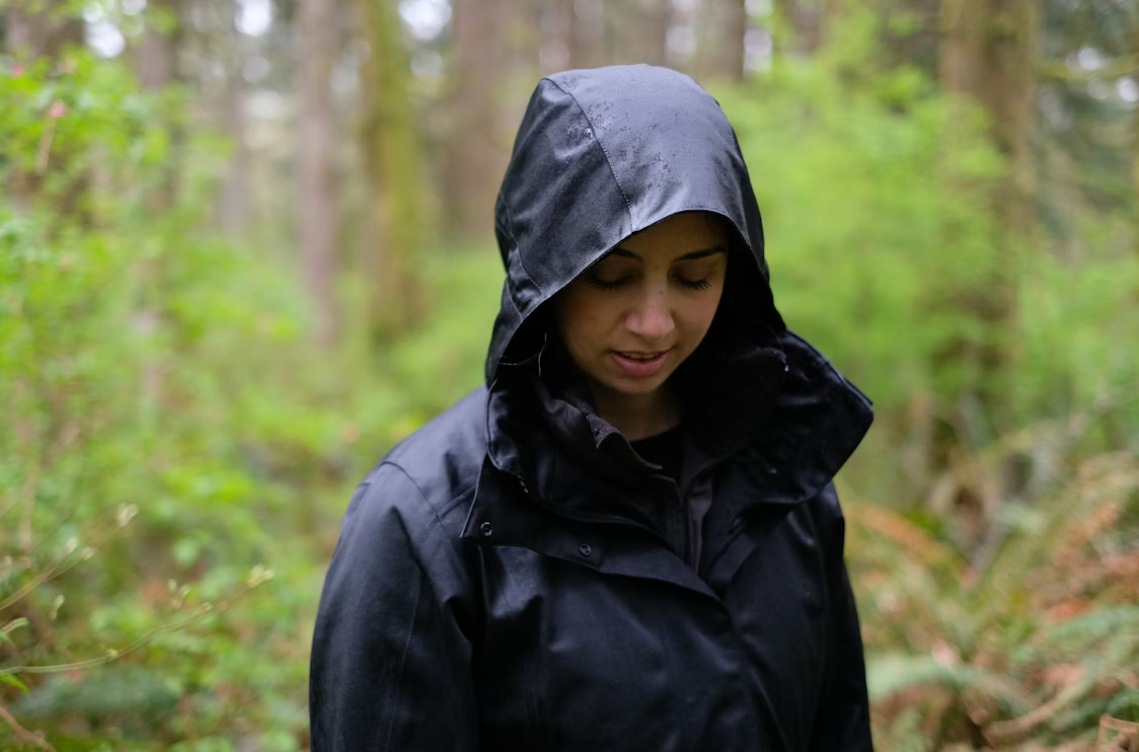
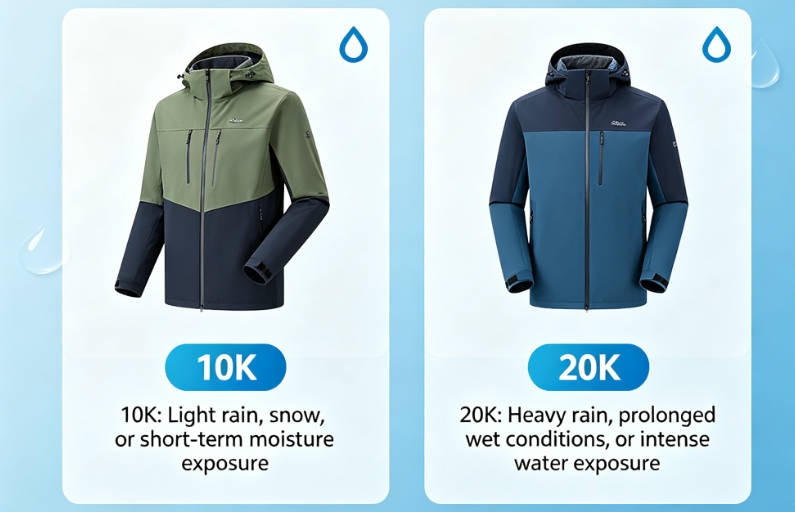
The 10K jacket manages light rain or snow well. It offers good protection during short outdoor activities. These include walks in the city or handling a light drizzle. However, longer stays outside or heavy rain could let water in. This might happen through the seams or small openings in the fabric.
This rating often gives up some durability for improved airflow. A 10K jacket seems lighter. It also allows more air through than options with higher ratings. It suits mild conditions where ease comes first over full protection. When considering how waterproof toddler jackets protect against rain and wind, this level usually works fine. Kids spend less time outside in wet weather.
When Does a 20K Rating Make a Difference?
A 20K rating helps in heavy rain, snowstorms, or long hours in wet places. These jackets use advanced layers or bonded fabrics. The layers block outside water yet let sweat vapor escape. This keeps users dry during active sports like hiking or skiing.
Technical shell vs regular waterproof jacket differences stand out at this level. Technical shells with 20K ratings rely on complex membranes built for performance. They suit mountaineers, skiers, and outdoor workers who need reliable dryness over many hours.
Comparing 10K vs 20K: Which One Should You Choose?
Is Paying More for Higher Waterproof Ratings Worth It?
The price difference between a 10K jacket and a 20K jacket comes from added layers along with tougher materials. A higher rating works well. It pays off when bad weather hits often. You also benefit if your gear must last through tough use. For occasional city wear, though, a solid 10K jacket still gives good value.
Breathability and fit also play a big role in long-term value. They matter just as much as the waterproof rating does. Pick a rating that fits your typical activities and the weather where you live. Avoid going after the highest number possible.
How Do Breathability Ratings Interact with Waterproof Levels?
Breathability relies on the moisture vapor transmission rate. This value indicates how much sweat vapor passes through the fabric over a full day. When the rate stays high, it supports better moisture control from within the jacket.
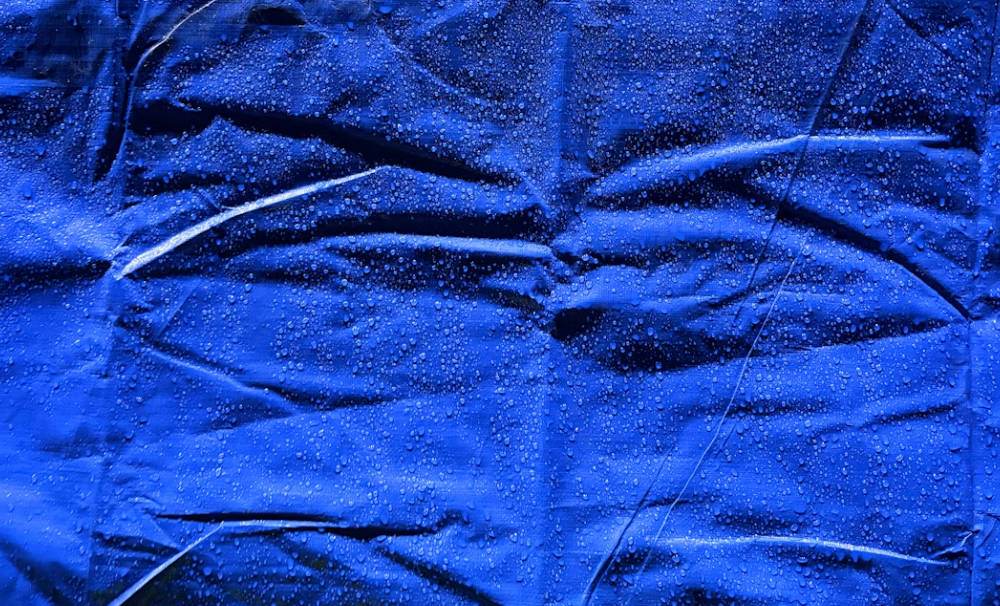
Waterproof qualities and breathable features need to work together. Without enough breathability, strong waterproofing can trap sweat. This leads to discomfort. Many people believe that waterproof fabrics do not breathe at all. However, modern membranes and coatings let both happen at the same time. The best waterproof fabric for jackets keeps this balance in mind.
Key Factors That Affect Jacket Performance Beyond Ratings
Construction Details That Influence Water Resistance
Fabric ratings by themselves do not determine true performance in the field. Seams with full taping block leaks right at the stitches. Taping that covers only critical areas protects key spots like the shoulders and hoods. Zippers that include storm flaps give added protection from the elements. Hoods that adjust well create a tight seal around the face to block wind-driven rain.
Technical shell vs regular waterproof jacket differences appear in these details too. Technical shells focus on reinforced seams and bonded layers that last through hard use.
Maintenance Practices to Preserve Waterproofing Over Time
Even high quality jackets may lose their performance if you skip regular maintenance. Dirt and body oils can break down the water repellent layer gradually. Always choose the right detergent when washing the jacket. After cleaning, add a new DWR spray or a wash in product. The fabric requires fresh treatment when water no longer beads up on the surface. Keep the jacket in a dry spot that avoids direct sunlight. This approach maintains the coating and stops mildew from forming.
INVIDIA TEXTILE: Advancing Waterproof Fabric Technology
Innovative Materials from INVIDIA TEXTILE
At INVIDIA TEXTILE, we keep improving our fabrics so they stay waterproof yet still let air pass. We can customize down/puffy jacket ,trench coat,padded jacket ,wool coat for you. Our lines use new membrane methods that pass strict tests for real outdoor use.
We test every roll of fabric and every accessory for water pressure and color fastness. This step makes sure each item works for both hiking and daily rainwear. We also use ultrasonic welding to create smooth, watertight joins without extra stitching.
Through OEM work, we help brands around the world find a partner that understands both technical needs and style options for outerwear.
FAQ
Q: What Does Waterproof Really Mean on a Jacket Label?
A: A waterproof label shows the jacket went through a water pressure test. The test uses millimeters for its measurements. A 10K rating stands for 10,000 mm. Actual performance still relies on solid seam sealing. It also depends on the full build of the garment.
Q: Can a Jacket Be Both Highly Waterproof and Breathable?
A: Yes. Modern layered membranes block liquid water while letting vapor move out. Higher-end jackets manage this balance better than simple coated fabrics used in basic models.
Q: How Often Should I Reproof My Waterproof Jacket?
A: The right schedule depends on how often you wear the jacket. Most users reproof every few months. Reapply the treatment as soon as water stops beading on the outside surface. This keeps the jacket working well through the seasons.
