
 +86-13634185427

Softshell vs. Hardshell: Which Jacket is Best for Spring Weather?


Comparing Softshell and Hardshell Jackets for Spring Weather
What Defines a Softshell Jacket?
A softshell jacket aims to mix ease, bendiness, and protection from weather. The softshell jacket definition usually points to outer clothing crafted from knitted materials. These materials focus on air flow and give. When talking about what softshell fabric is, remember that this softshell type often has a lasting water-repelling (DWR) layer instead of a total waterproof sheet. As a result, it suits lively tasks like walking or biking in gentle settings.
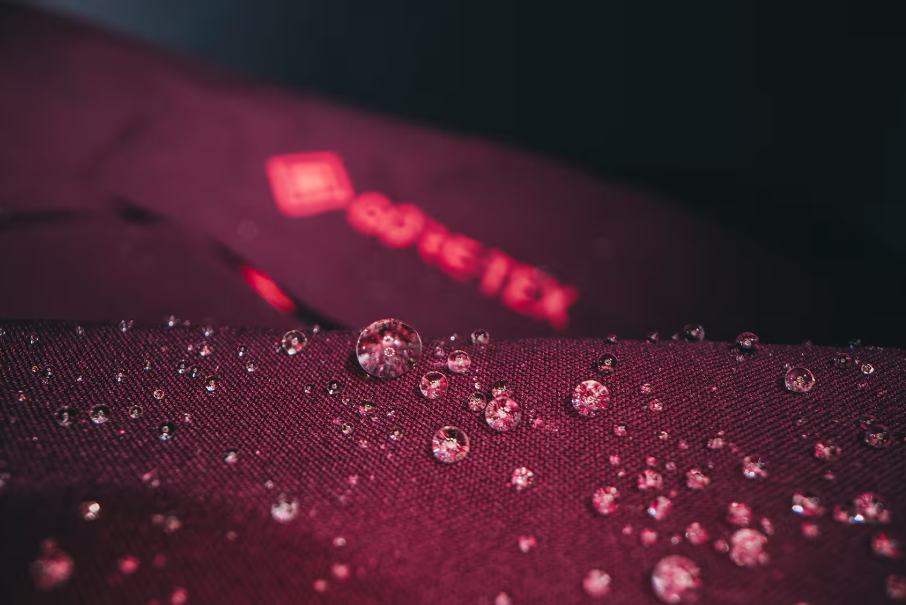
Softshell material gives a sleek feel much like top-quality cotton mixes. Imitation silk cotton is a top-tier kind of cut cotton. It has a small sizing, a shiny silk look, a gentle and smooth touch, solid water resistance, and it does not warp easily. Plus, it holds up well under pull. These traits match the feel of fine softshell materials. They deliver ease without giving up on toughness.
Softshell jackets work for many uses. They are light for motion yet tough enough to face light showers or gusts in shifting spring air.
What Makes a Hardshell Jacket Different?
Hardshell jackets focus on safety. They employ stuck-together cloths with water-blocking and gust-blocking sheets. These are made to stop outside dampness fully. The hardshell vs softshell jackets talk often turns on safety versus ease. Hardshells shine in guarding from downpours, flakes, and fierce winds. However, they often cut down on air flow.
These jackets come with several levels. They include an outer strong shell cloth joined to a water-blocking sheet. This stacked build makes sure of top resistance to rough weather. But it can make the item less bendy than the pliable side of softshells. For anyone asking what is the difference between a softshell and hardshell jacket, the main split is in their planned role. Hardshells serve to guard in tough weather. Softshells serve for flexible ease.
How Do Softshell and Hardshell Fabrics Perform in Spring Conditions?
Performance in Changing Temperatures
Spring air brings shifting warmth levels. One minute brings sunny heat, and the next brings chill winds or drips. Softshell cloths do well in this spot. They let body heat and damp vapor out with ease. At the same time, they keep fair warmth in. Their air-permeable side helps users stay at ease amid warmth changes.
On the other hand, hardshell cloths give better warmth hold when the air cools or when facing icy wind blasts. The sheet setup blocks air entry well. Thus, it keeps heat steady even in unsure spring air.
Which Jacket Handles Moisture Better?
When looking at how these two materials manage dampness:
| Feature | Softshell Fabric | Hardshell Fabric |
| Wind Resistance | Moderate | Excellent |
| Water Resistance | Water-resistant | Fully Waterproof |
| Breathability | High | Moderate |
| Warmth Retention | Balanced | Strong |
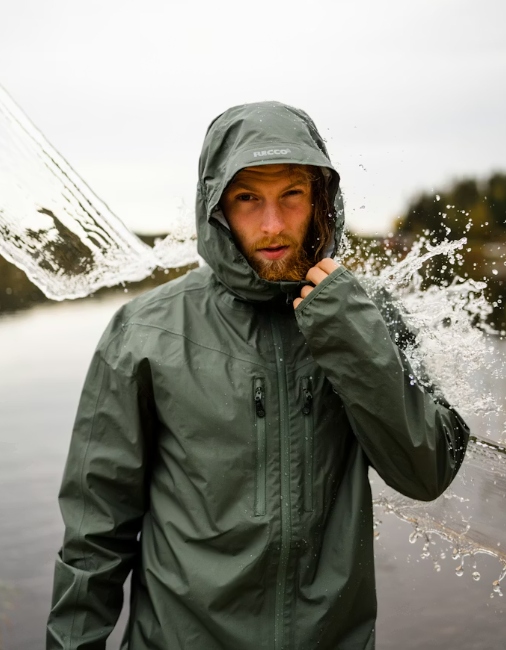
Hardshell cloths beat softshells in big rains because of their stuck water-blocking levels. Softshell cloths hold off light mist. But they might soak up water if the wet lasts. Your pick relies on the rain amounts you expect in outside tasks. Go for hardshell in stormy outlooks. Pick softshell for spotty drips.
Comfort, Flexibility, and Breathability Compared
How Does Each Fabric Type Affect Mobility?
Softshell jackets bring top bendiness due to their stretchy knitted setup. The material softshell makeup lets free motion in games or outside fun like path jogging or scaling. Hardshell jackets, made with firm guard sheets, cut motion a bit. Yet they give firm build against outside pushes like wind force or scrapes.
Breathability and Interior Comfort
Air flow matters a lot for inside ease. Softshell material lets sweat damp vapor out fast. This stops water build-up inside the jacket. Hardshell cloths might hold heat because of their non-porous sheets. However, teaming them with damp-pulling under layers aids in keeping dry and at ease during action.
Durability and Maintenance Considerations
Which Jacket Lasts Longer?
Hardshell jackets often have longer use times thanks to their sturdy build and strengthened sheets. These are set for ongoing face-off with rough spots. Their outer layers keep strength through long wear.
Softshell jackets might wear out faster because of their gentler knits. But they stay simpler to wash and care for at home without extra steps.
Care Tips for Extending Jacket Life
For Softshell Fabrics:
Use gentle soaps only. Avoid cloth softeners. They can weaken water repellency as time goes on.
For Hardshell Fabrics:
Put on DWR layers again now and then after cleaning. This brings back water-block power and lengthens item life.
When Should You Choose One Over the Other?
Deciding Based on Activity Level and Environment
Pick a softshell jacket for high-energy tasks like sprinting or scaling where air matters most. Its air-permeable plan makes sure of ease even as sweat rises. Choose a hardshell jacket if your aims include peak walking or trips through unsure spring gales. Its sealed edges give unbeatable guard from big rains.

How to Layer Effectively with Each Type
With a Softshell:
Match with light under layers from fast-dry stuff for best air flow in motion-full jobs.
With a Hardshell:
Use warm middle layers below for heat hold on cooler times without cutting bendiness.
INVIDIA TEXTILE: Innovative Solutions for Outdoor Fabrics
At INVIDIA TEXTILE, we focus on making cutting-edge softshell and hardshell fabrics fit for changing airs like spring shifts. Our skills lie in mixing toughness with fresh style looks right for both everyday users and outside experts.
For 15 years, INVIDIA TEXTILE has led as an OEM clothing ally. Brands rely on us for prime-quality, chic jackets. Every seam shows our promise. We blend top quilting tech with strict water pressure checks. This makes sure each cloth hits our high-work marks before making starts.
Our top making tools include smooth joining, done by our sound wave joining machines. This brings better water-blocking over join spots. It is a key trait in both hardshell rain gear and sport coats made for lively spring use.
FAQ
Q: Are softshell jackets waterproof enough for spring rain?
A: Softshell jackets are water-resistant but not fully waterproof. They’re suitable for light drizzle or short showers rather than heavy rainfall.
Q: Can I wear a hardshell jacket comfortably during mild spring days?
A: Yes—but since breathability is lower than that of softshells, using ventilation zippers or lighter base layers helps regulate internal temperature effectively.
Q: Which type of jacket is more versatile throughout the year?
A: Softshell jackets provide multi-season adaptability thanks to their balance of flexibility and moderate protection. However, hardshells remain ideal year-round when paired with appropriate layering systems suited for harsher climates.
