
 +86-13634185427

What Are the Applications of Fire-Resistant Fabric in Protective Outerwear?


What Makes Fire-Resistant Fabric Special?
How Does Fire-Resistant Fabric Work?
Fire resistant fabric, often called FR fabric, is put together to protect people from fire threats. It does the job by blocking fires from catching and holding back how flames jump around.
If fire gets to these cloths, they might char up or kill the blaze on their own. That drops burn chances way down. The drag on fire spread hands out extra seconds for folks to handle it or bail from bad spots.
There’re two big types of FR fabrics. One has the fire-proof built straight into the threads. The other gets it from chem dips. What makes them strong is the way the bits are woven and the chems tossed in.
What Materials Are Commonly Used in Fire-Resistant Fabric?
A variety of modern materials go into making fire resistant fabric:
- Aramid Fibers: Meta-aramid (like Nomex) and para-aramid (such as Kevlar) stand out for their strong heat tolerance and power. Aramid fibers deliver light, tough shielding for fields like electrical tasks.
- Treated Cotton Blends: These fabrics mix ease with safety. Flame-retardant cotton, also known as treated cotton, joins the everyday softness and air flow of cotton with extra flame resistance from chemical treatments.
- Modacrylic Fibers: These man-made fibers hold inherent flame resistance. They avoid melting or dripping in high heat.
Where Is Fire-Resistant Fabric Used in Protective Outerwear?
What Are the Main Applications in Industrial Settings?
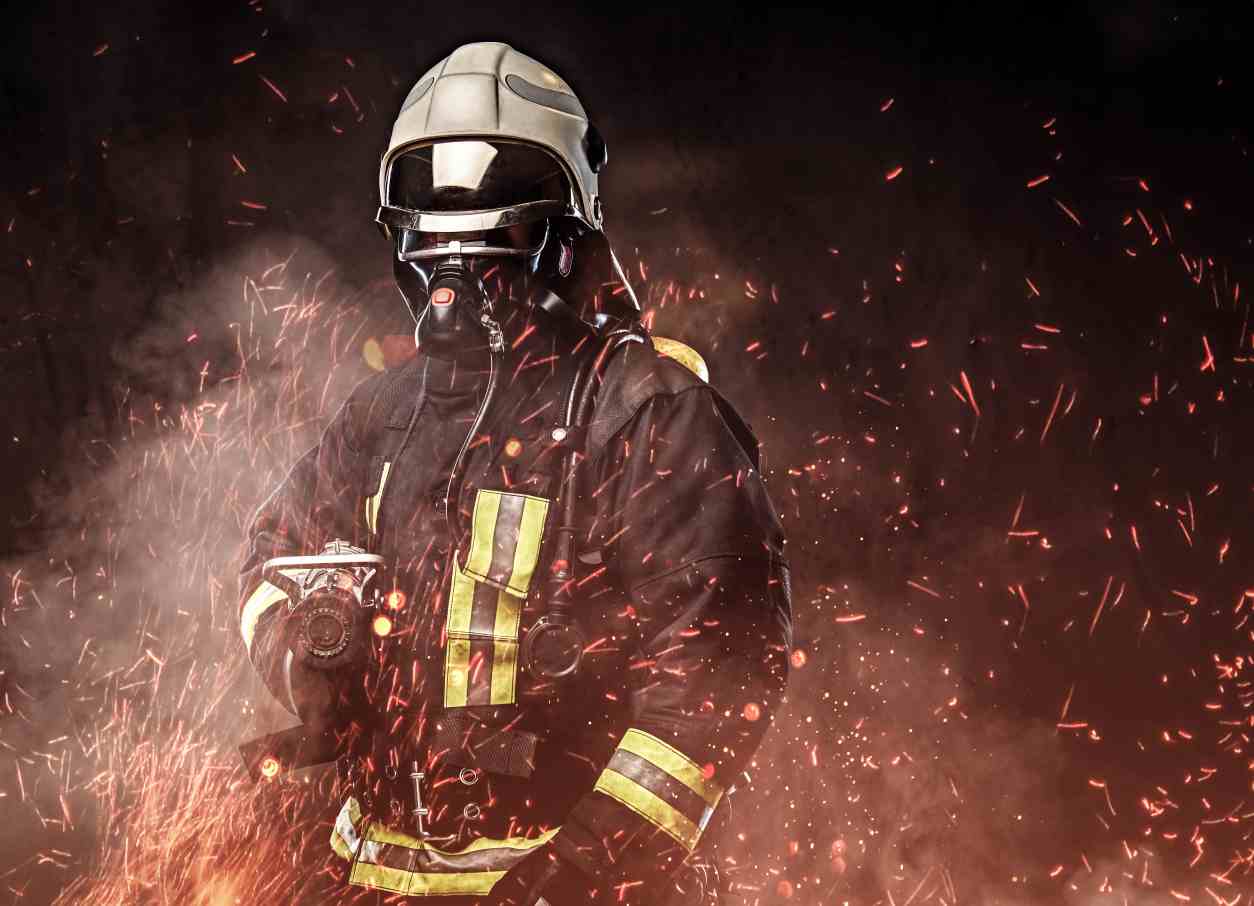
In risky job places like oil and gas areas, power stations and welding shops, fire-resistant outerwear serves as a basic safety must. Workers use FR coveralls, jackets, pants and gloves to cover up from sparks, hot metal drops and arc flashes.
Many FR items in job settings also add bright color traits for better safety in dim light or busy areas.
How Is Fire-Resistant Fabric Used by Firefighters?
Firefighters rely a lot on fire resistant fabric for their own safety. Their equipment usually has multi-layer turnout coats, bunker pants, gloves, hoods and helmets. All get made with strong materials like aramid fibers or PBI.
PBI earns fame for its very high melting point and built-in fight against burning. It does not catch fire or melt without trouble. This fits it for harsh firefighting spots.
These items also add water barriers and heat liners. They stop steam burns and provide heat blocking during hard rescue jobs.
Is Fire-Resistant Clothing Used in the Military?
Yes—military outfits often include fire resistant fabrics to shield troops in fight areas where blasts or fires might happen. Field gear from FR materials like Nomex or modacrylic gives both heat tolerance and lasting strength.
Since easy movement counts in army work, these items get planned to stay light but sturdy. This keeps full use during ground actions.
Can Everyday Consumers Benefit from Fire-Resistant Outerwear?
Absolutely. While job uses lead FR adoption, fire-resistant clothing now sees more use by nature lovers, bike riders and even backyard cooks.
For instance, thick fleece coats or jackets with added FR traits suit camping outings or tasks near open fires in far-off places.
Why Is Comfort Important in Fire-Resistant Clothing?
How Do Manufacturers Balance Protection with Wearability?
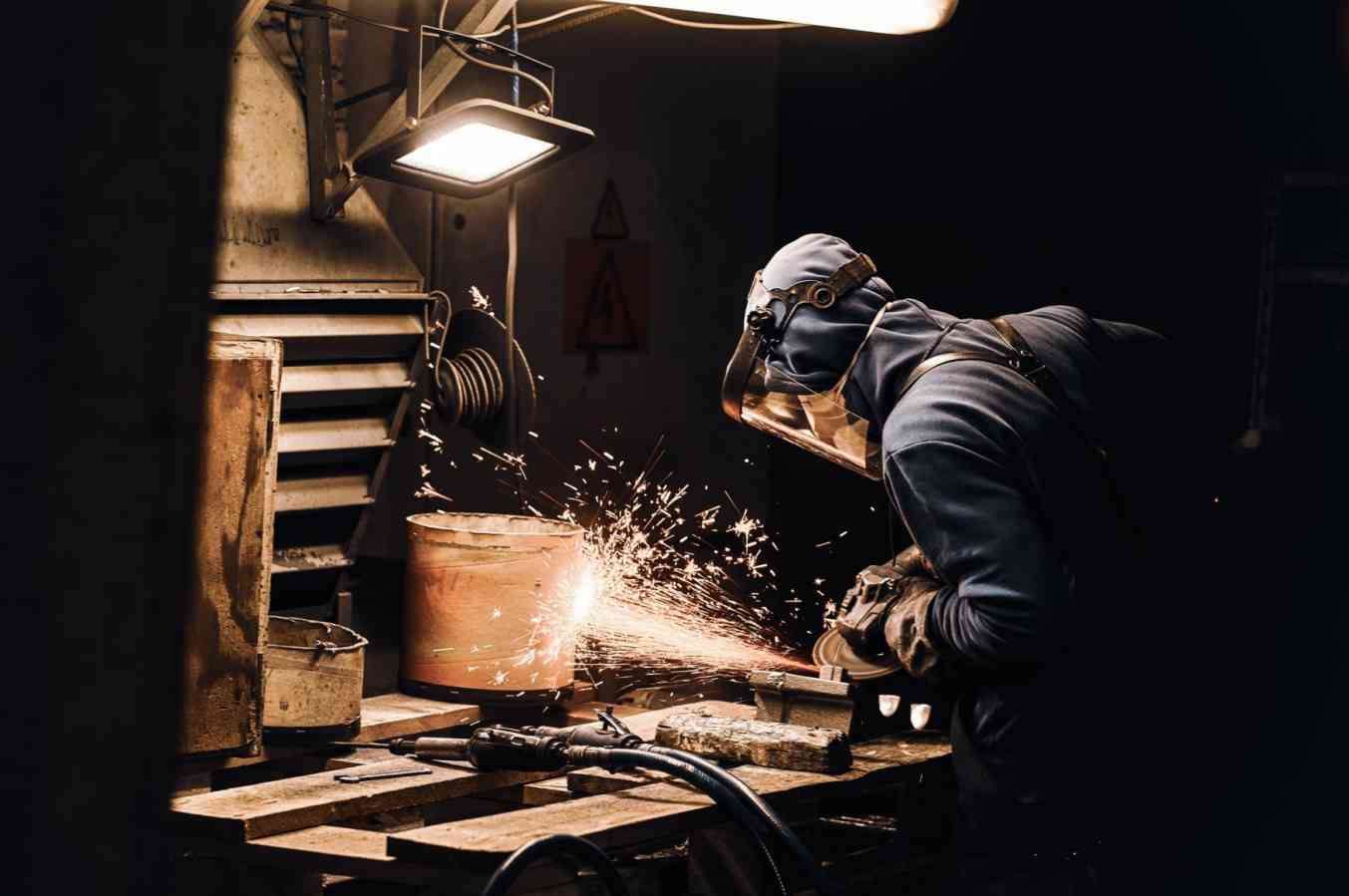
Makers know that safety must not mean giving up on comfort. To support ongoing use, they create FR clothing with air-permeable patterns and sweat-pulling fabrics. These stop too much warmth. They also add stretch stuff to permit smooth motion in hard body work.
What Features Make FR Outerwear More Comfortable?
Common Comfort Features Include:
- Soft Inner Linings: These cut down rubbing on skin and reduce soreness during long-time wear.
- Lightweight Materials: They avoid heaviness so people can shift without trouble.
- Ventilation Zones: Mesh areas and zip vents boost air movement.
- Adjustable Cuffs and Ergonomic Cuts: They improve the fit and bend for varied builds and action types.
Who Is INVIDIA TEXTILE and What Do They Offer?
At INVIDIA TEXTILE, we focus on producing fine outerwear with choices to adjust to your special wants. We can customize down/puffy jacket, trench coat/blazers, qulited/padded Jacket, wool coat/sweaters, PU/shearling coat,rainwear/sporty coat for you. Whether you’re starting a fresh workwear range or aiming to grow your goods with fire-resistant outerwear, we’ve got you covered.
With a low MOQ of 300 pieces, we’re your go – to. Contact us now to craft market – winning products. Our jackets go through tough quality checks and use top materials that match field safety rules.
FAQ
Q: Is fire-resistant fabric completely fireproof?
A: No—fire resistant fabric is not entirely fireproof. It blocks ignition and slows flame growth but can get harmed in very strong heat spots.
Q: How do I wash garments made from fire-resistant fabric?
A: Always stick to the maker’s care rules. Skip bleach or fabric softeners as they can weaken the item’s flame resistance as time passes.
Q: Can I wear regular clothes under fire-resistant outerwear?
A: Yes, but it’s smart to pick non-melting stuff like cotton below. Man-made fabrics can melt in heat and might cause harm even under FR gear.
