
 +86-13634185427

What to Wear With a Trench Coat? Solving Your Biggest Transition Weather Dilemmas


What Makes a Trench Coat So Useful in Transition Weather?
How Do Smart Layers Handle Cold Mornings and Warm Afternoons?
A trench coat functions best as a lightweight barrier. It should not act as your single source of body heat. Begin with an airy base layer. Next, put on a thin sweater or a fitted overshirt. Make sure the outer garment has plenty of space. This extra room allows you to move easily. The weather might get warm in the afternoon. When this happens, take off that middle garment.
You can then leave the coat unfastened. If it gets breezy during your daily commute, simply button up the front and tie the belt—just be careful not to pull it too tight around your waist.. This basic approach stops a very frequent clothing issue. People often wear heavy items for the chilliest morning hours. Then, they get far too hot later in the day. This layered method solves that exact problem.

Which Trench Coat Fabric Balances Comfort and Protection?
A good trench coat fabric mixes a firm feel with good stretch. This flexibility is important for everyday use. Nylon outer layers feel very light. They also block the wind well. At the same time, polyester linings let sleeves slide easily. This makes wearing shirts and sweaters underneath much simpler. Cotton canvas provides a firmer shape. It also gives the coat a very natural appearance.
Water-resistant and wind-blocking coatings add great protection. However, buyers must check a few things first. They need to look at testing methods, seam details, and washing rules. Only then can they call a garment completely waterproof.
Different trench coat material types also change how the garment hangs. Fabrics with a lot of cotton look very neat. Yet, they can soak up water easily. Man-made fabric blends dry much faster. They also keep their original shape well. Meanwhile, wool mixes work best during cold and dry days.
When comparing trench coat materials, you need to check several key details: weight, inner lining, surface finish, color fastness, and wrinkle resistance. You should never evaluate a trench coat fabric based solely on its basic fibers.
What Should You Wear With a Trench Coat for Real-Life Plans?
What Works for Casual Commuting and Weekend Travel?
For daily commuting, pair a relaxed trench with straight trousers, denim, or a midi skirt and a compact knit. Low-profile shoes keep the hem clear and make long walks easier. A removable scarf adds warmth without adding bulk.
Travel outfits benefit from repeatable colors. Navy, stone, olive, and charcoal work across business and casual wardrobes, making them practical choices for versatile trench coat outfits, while a brighter lining can add distinction for private-label collections. Keep the trench coat pocket placement usable with a backpack or shoulder bag, and check whether the coat still closes comfortably over the thickest planned layer.
How Can a Trench Move From Office Hours to Dinner?
Choose a tailored trench coat with a cleaner shoulder, restrained hardware, and a hem that covers the jacket worn underneath. A shirt, fine-gauge sweater, tailored trousers, and leather or polished flat shoes create a dependable office trench coat outfit. For evening use, remove the middle layer and add a sharper accessory or tonal knit. The trench coat should frame the outfit rather than compete with every garment below.
What Changes When Rain and Wind Arrive Together?
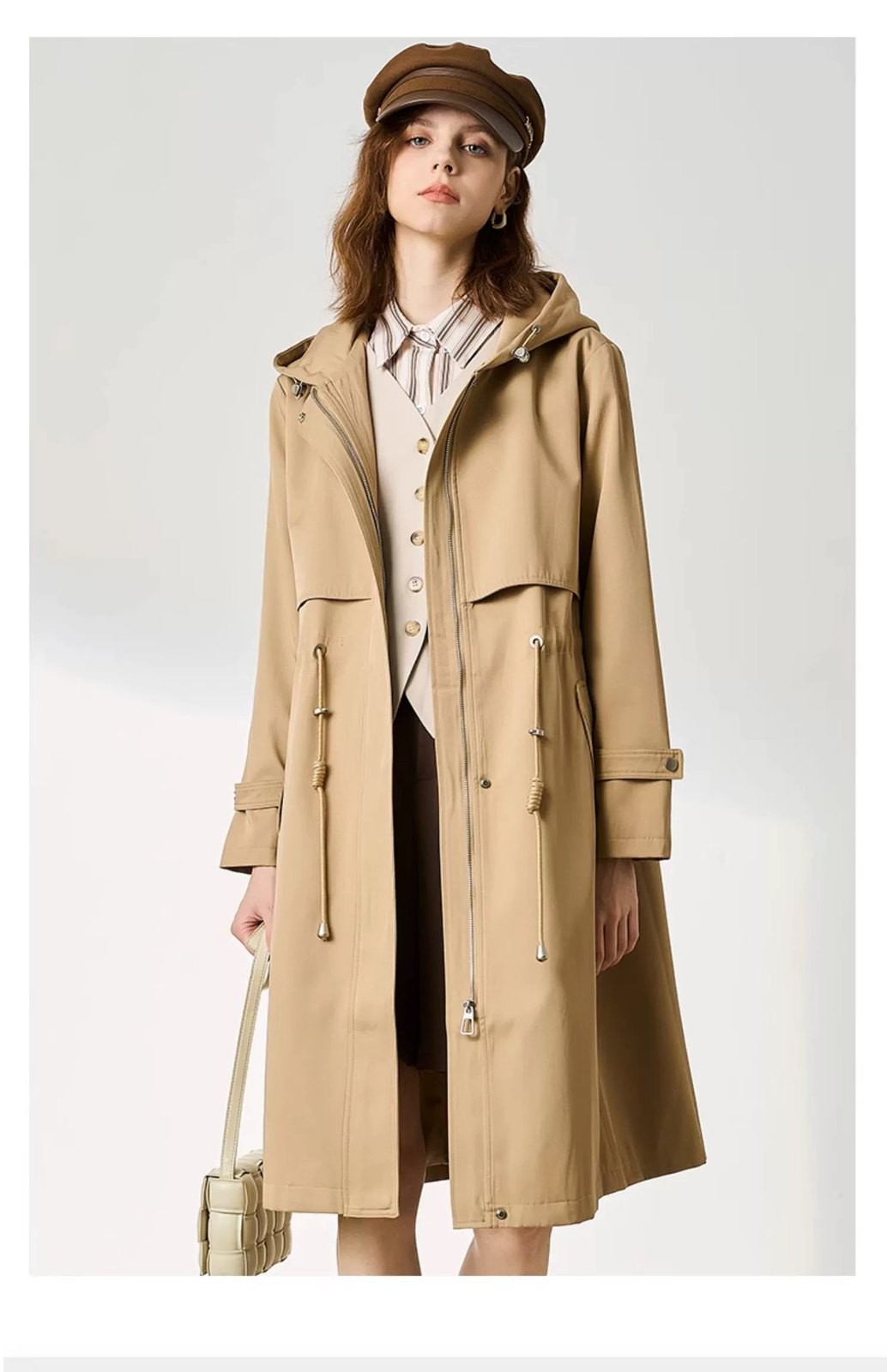
Strong wind and rain will quickly reveal hidden flaws in a rain trench coat. You will usually find these weak spots near the front closure and cuffs. They also appear along the shoulder seams and the back vent. You should choose a hooded trench coat for open paths. A high-collar trench coat works very well for this purpose too. Additionally, stay away from very long hems. A floor-skimming long trench coat will easily soak up water from the wet ground.
A basic water-resistant trench coat works fine for quick rain showers. However, spending long hours in the rain requires much better protection. You must have a waterproof trench coat with verified waterproof construction. Good breathability is another very important feature of a functional windproof trench coat. Body heat and sweat can easily get trapped inside the fabric. When you walk fast, this trapped perspiration feels exactly like an actual leak.
Which Type of Trench Coat Fits the Wearer and the Assortment?
How Do Different Types of Trench Coats Change the Outfit?
The different types of trench coats solve different merchandising needs. A cropped version feels youthful and works with high-rise bottoms. A classic knee-length design offers the broadest styling range. An oversized cut welcomes thicker layers, while a tailored cut supports formal assortments. The right type of trench coat depends on target climate, customer proportions, layer thickness, and planned price point rather than trend language alone.
Does Men’s vs Women’s Trench Coat Design Require Different Rules?
The phrase men’s vs women’s trench coat often points to traditional block differences: shoulder width, chest shaping, waist suppression, hip allowance, button stance, and sleeve proportion. A male vs female trench coat comparison can guide initial patterns, but modern unisex and relaxed collections blur many old boundaries. Fit trials with the intended customer group remain more reliable than a label, especially when the same shell must support several markets.
Which Trench Coat Lengths Work Across Heights?
Short trench coat lengths highlight the leg and suit cycling or compact wardrobes. Mid-thigh and knee lengths balance coverage with mobility for most commuters. Calf-length coats create drama and stronger rain coverage, yet buyers should test stairs, vehicle entry, and wet hems. Sample evaluation should include petite, regular, and tall fittings whenever one collection targets a broad size range.
How Can INVIDIA TEXTILE Support a Custom Trench Coat Program?
What Can We Customize for a Buyer?
At INVIDIA TEXTILE, we develop outerwear for retailers and importers that need a defined market position. Our custom trench coat programs can cover size standards, color, fabric, style details, labels, logos, lining choices, and functional finishes. We can present fabric options and develop samples from an approved design direction, reference sample, or clear visual brief. Our goal is a commercially coherent product, not a collection of disconnected options.
How Does Our ODM/OEM Process Reduce Development Risk?
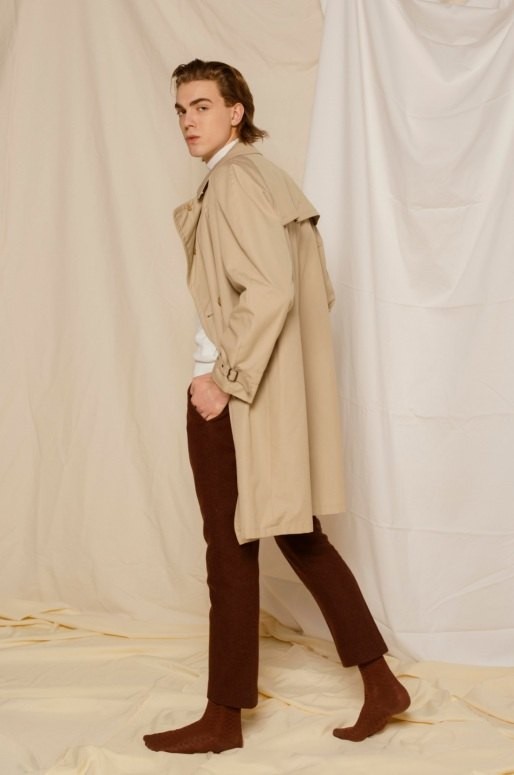
Our ODM/OEM outerwear services begin with product planning, fabric and accessory sourcing, and a counter or fit sample. Approved materials then move into pre-production sampling before bulk manufacture. Production-line inspection and final quality checks support consistent delivery. Buyers can discuss target market, construction, packaging, and delivery requirements early, which helps prevent expensive changes after bulk materials are committed.
FAQ
Q: Can a Trench Coat Work in Both Spring and Autumn?
A: Yes. Use lighter base layers and open styling in warmer spring conditions, then add a knit, scarf, or compact insulated vest in autumn. The shell needs enough ease for both combinations without looking oversized when fewer layers are worn.
Q: Should a Trench Coat Fit Loose or Close to the Body?
A: A trench coat needs to offer easy movement around the shoulders. It must also provide enough room for your heaviest clothing underneath. You can still achieve a sharp, fitted look. This style comes from proper belt positioning. In addition, the sleeves need an exact length. Finally, you should keep the fabric bulk across the back well-managed.
Q: Which Trench Coat Types Are Easiest for Retailers to Sell?
A: Knee-length coats generally attract the largest customer base. These items feature single- or double-breasted shapes in flexible shades. Retailers should first figure out basic sizing needs. They also need to check local weather conditions and budget goals. Once these factors become clear, a store can introduce other cuts. These extra choices might include cropped, oversized, or longer garments.
