
 +86-13634185427

What Waterproof Shell Jacket Traits Keep You Dry and Comfortable on Spring Trails?


What Makes a Waterproof Shell Jacket Effective on Spring Trails?
How Does a Waterproof Shell Jacket Work to Keep You Dry?
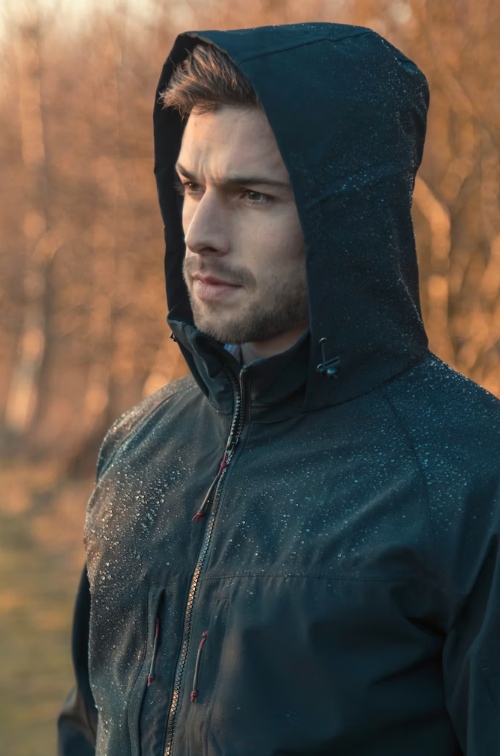
A waterproof shell jacket acts as the main barrier against changeable spring weather. Its main strength comes from a layered build. Waterproof membranes are designed to stop rain while letting sweat vapor pass out. This keeps the inside dry and comfortable. It helps hikers stay dry from outside rain and inside sweat.
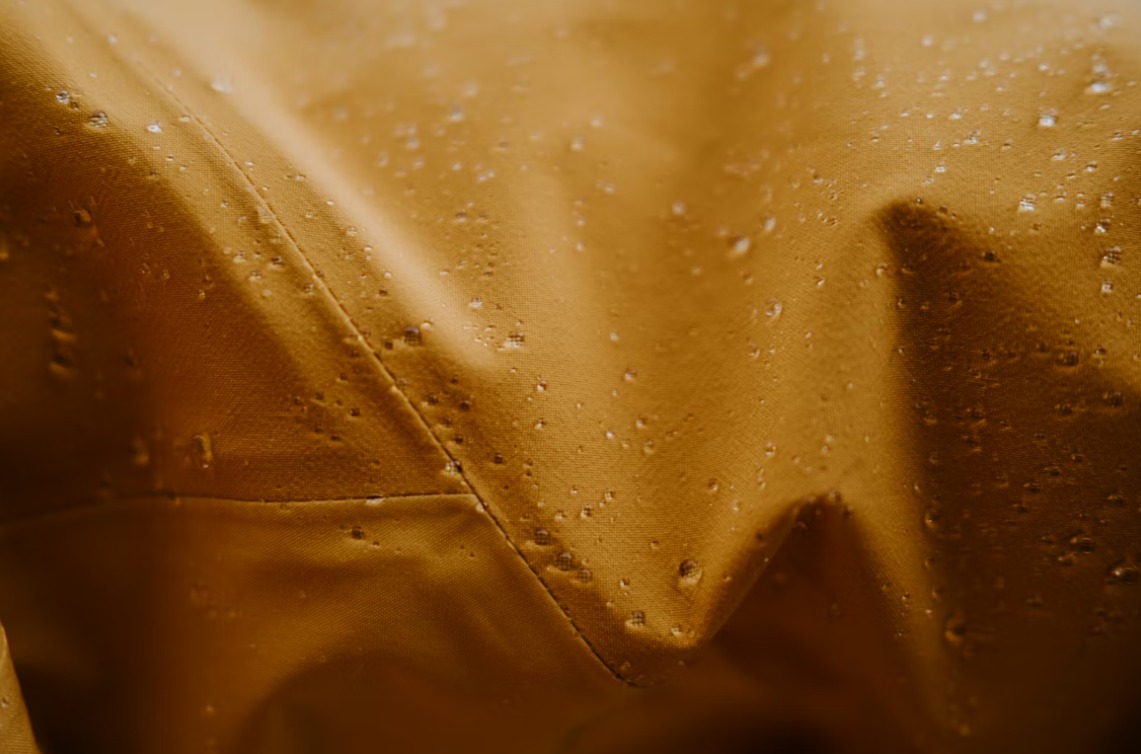
Seam sealing plays a key role in making it reliable against water. Jackets with fully taped seams block water from entering through small stitch holes. Water-repellent finishes on the cloth surface also stop leaks through openings. Rain beads up and slides away instead of soaking in. The jacket’s success relies on balancing water resistance and air flow. Too much sealing without air leads to dampness. Too much air might weaken protection in heavy rain.
Key Materials Used in Waterproof Shell Jackets
Today’s waterproof shell jackets use smart fabric tech for strength and ease. Laminated cloths join an outer guard layer with an inner water barrier. This forms one tough material that fights tears and stops water entry. Many styles add Durable Water Repellent (DWR) treatments. These improve resistance to light showers or fog.
Evaluating Breathability and Comfort During Spring Hikes
Why Is Breathability Crucial for Trail Comfort?
The best waterproof jacket can still feel bad if it holds in heat and sweat. Breathability matters a lot for ease during effort on spring paths. Breathable fabrics let moisture vapor leave through tiny holes. They keep liquid water out. This holds body heat steady and stops overheating.
Air features like underarm zippers, mesh pockets, or back openings boost this. They increase air movement when effort grows. These parts control moisture inside the jacket. They make long walks better, even in shifting weather.
How Fabric Weight and Layering Affect Comfort
Spring brings shifting temps, from chilly starts to mild middays. Light shells work well for changes. A slim but strong outer part gives wind block and rain guard without extra weight. Layering lets users add warmth under the shell for temp shifts or effort levels.
Soft inner cloths or back panels cut down on clamminess in hard work. They pull sweat from the skin. Light builds also fold small into packs when not in use. This adds flexibility for varied path setups.
Design Features That Enhance Performance in Wet Conditions
What Construction Details Should You Look For?
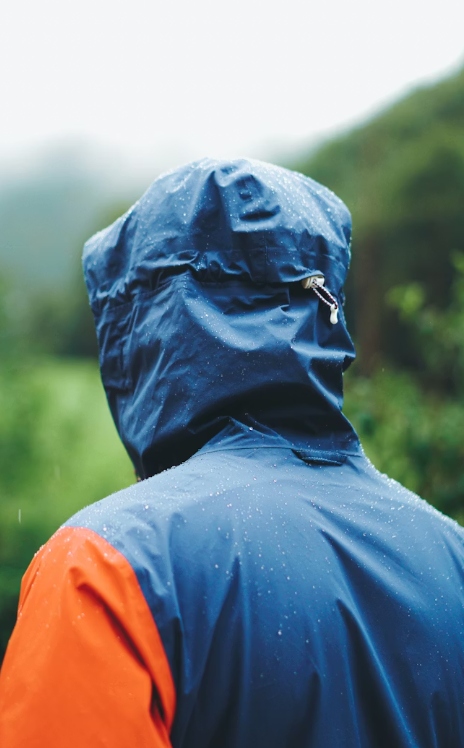
When checking waterproof shell jackets, focus on build points. Fully taped seams stop water at stitch spots. This is essential for steady water protection. Adjustable hoods with ties or brims guard the face from wind-blown rain. Cuff and hem ties make a tight fit to block gusts.
Zipper covers and flap guards add blocks against water at weak close spots. These smart parts seal every water entry risk well.
Additional Functional Elements for Trail Use
Usability counts as much as safety on spring treks. Foldable styles store easily when the weather improves. They suit days with surprise sun. Strong patches on wear spots like shoulders or elbows last longer. They stand up to pack straps or rough ground rubs.
Glow strips raise sight in dawn or evening walks. This aids safety for nature fans in dim light.
How to Maintain Your Waterproof Shell Jacket for Long-Term Performance
What Care Practices Preserve Waterproof Qualities?
Good upkeep keeps your jacket working well over many seasons. Routine cleaning clears dirt that blocks air layers. This hurts the flow. Mild washes with tech fabric soaps keep the cloth strong.
Adding DWR layers now and then brings back the outer push against rain. Do this when water no longer beads well after rain hits. Skip strong soaps or softeners. They can harm barrier layers or seam seals. This cuts the water hold.
Storage Tips Between Seasons
Before putting your jacket away between hike times, dry it fully. This stops mold growth. Keep it in a cool, dry spot away from the sun. This saves cloth stretch and layer strength over the years. Hanging beats folding. It keeps form and avoids creases on joined surfaces.
INVIDIA TEXTILE: Innovation in Waterproof Performance Fabrics
At INVIDIA TEXTILE, we focus on making advanced waterproof shell fabrics for outdoor use in all seasons. Our goal is to blend toughness with air flow. Users stay at ease even in tough work on damp paths.
For 15 years, INVIDIA TEXTILE has led as an OEM clothing ally. We add new methods like seam taping and Seamless Welding Technology. This boosts spot water hold by placing rubber bands along cloth joins with sound wave machines. It ensures no soft spots for dampness to enter.
Our making steps include Water Pressure and Fastness Testing of Fabrics. Each joined cloth piece faces strict checks under at least 4000 units of force. Then it goes through many wash rounds. This proves a lasting fight against nature strains.
We give full custom options, from color picks using Pantone guides to custom marks. Brands or people can build one-of-a-kind outer gear for walks, trips, or everyday needs around the world.
Perfect outdoor coat for working,traveling, hiking, daily life, or a festival. Our lightweight yet robust jackets exemplify our commitment to sustainable craftsmanship without compromising technical excellence.
FAQ
Q: How can I tell if my waterproof shell jacket is truly breathable?
A: Breathable jackets usually list their moisture vapor transmission rate (MVTR). You can test this practically by observing how quickly internal condensation clears during moderate activity. Faster dissipation indicates better breathability.
Q: Can I wear a waterproof shell jacket as my only layer during spring hikes?
A: Yes, if temperatures are mild, a light base layer beneath your shell provides comfort without overheating while maintaining flexibility against sudden weather shifts common in springtime hikes.
Q: How often should I reapply the DWR coating on my jacket?
A: Reapplication every few months or after several washes is ideal—especially once you notice rainwater no longer forming beads but soaking into the surface fabric instead of rolling off smoothly.
