
 +86-13634185427

Hoe waterdichte stoffen ademender worden zonder bescherming op te offeren


Wat maakt een stof waterdicht?
Hoe werken waterdichte stoffen?
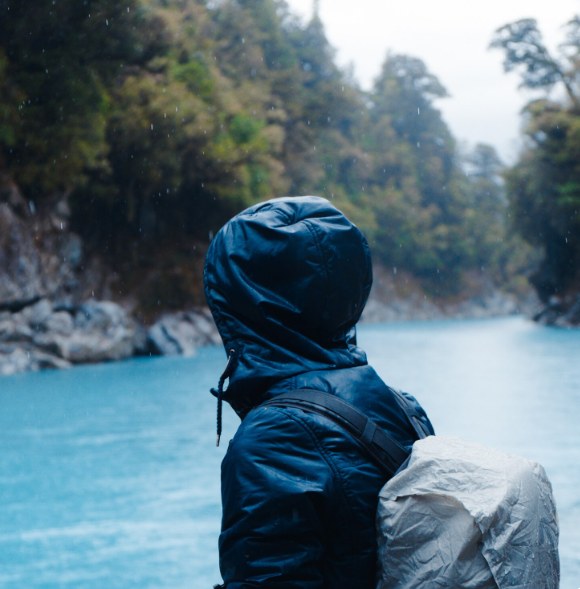 Waterdicht ademende stof is een zorgvuldig gemaakt textiel. Het duwt water weg. Tegelijkertijd laat het vochtdamp, zoals zweet, van binnen uit. Dit houdt u droog en op uw gemak in allerlei weersomstandigheden. Speciale membranen of coatings maken dit belangrijke kenmerk mogelijk. Ze smelten rechtstreeks in de stof. Deze membranen hebben zeer kleine poriën. De poriën zijn klein genoeg om te voorkomen dat vloeibaar water doorgaat. Maar ze zijn groot genoeg om waterdamp eruit te laten glijden.
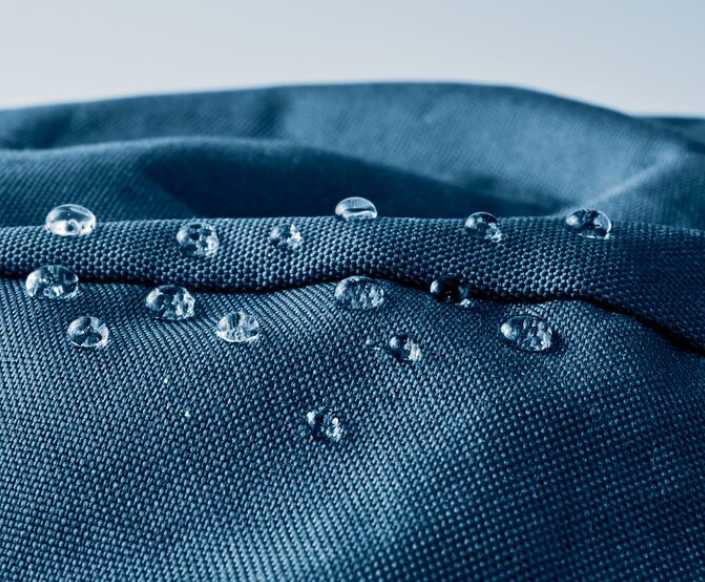
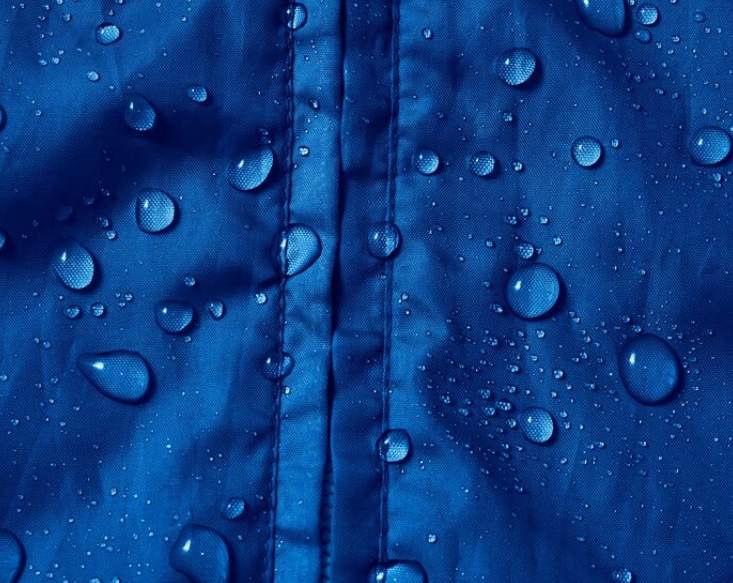
Mensen gebruiken een aantal benaderingen om stoffen waterdicht te maken. Populaire zijn laminaten, duurzame waterafstotende (DWR) coatings en nauw geweven synthetische vezels. De buitenlaag krijgt meestal een DWR-behandeling. Hierdoor vormt water kralen en rolt het af. Het voorkomt dat de stof nat wordt. Onder dat zit een waterdicht membraan. Het komt van waterhatende of waterliefhebbende materialen. Dit fungeert als de hoofdmuur tegen het binnenkomen van water.
Waterdichte kleding heeft vaak naad afdichting of tape ook. Naad afdichting of naad tape sluit de gaten gemaakt wanneer naaden worden genaaid. Het zorgt er ook voor dat er geen kleine gaten in het kleding zijn. Op deze manier kan het water niet binnenkomen.
Wat’ Is het verschil tussen waterbestendig en waterdicht?
Waterbestendige en waterdichte stoffen lijken misschien dichtbij. Maar ze geven heel verschillende graden van veiligheid. Waterbestendige materialen werken voor milde regen of sneeuw. Toch worden ze snel opgenomen in sterke regenvallen. Waterdichte stoffen, aan de andere kant, zijn gemaakt om harder weer aan te gaan. Dat doen ze zonder dat er water doorkomt.
Waterdichtheid, of in zakelijke termen waterkolom, controleert hoeveel waterdruk een stof kan nemen voordat water doorbreekt. Neem een waterkolom van 10.000 mm. Dit betekent dat de stof de waterdruk vanaf 10 meter hoogte kan vasthouden voordat het begint te lekken. Als je een waterdichte jas wilt voor veiligheid op een buitenbaan, heb je zo'n hoge waterdichte rating niet nodig. Iemand in regenvollere plekken met een zware rugzak zou.
Kan waterdichte stof ademend zijn?
Hoe werkt ademhaling in waterdichte jassen?
Ademhaling telt net zo veel als waterdichtheid. Dit geldt vooral als je actief blijft. Het wijst naar een stof’ s vaardigheid in het laten van zweet vocht damp ontsnappen. Dit voorkomt dat u zich kleverig of te warm voelt.
Deze membranen dienen als een schild. Ze blokkeren buitenluchtvocht, zoals regen of sneeuw, om binnen te komen. Toch laten ze buitenluchtvocht, zoals zweetdamp, buiten. Hydrofobe membranen gebruiken micro-poren. Hydrofielen rekenen op verspreiding door moleculaire trekking.
Waarom is het belangrijk voor Outdoor Wear?
Wanneer je klimt, wandelt, skiën of zelfs loopt in vochtig weer, creëert je lichaam warmte en zweet. Als je waterdichte gear dat vocht in houdt, ben je toch nat.
Kies de juiste hoeveelheid ademhaling voor je kleding. Dit kan helpen om uw lichaam te controleren’ S warmte. Ook kan het verhitting stoppen. Een echte ademende waterdichte jas houdt je droog van regen buiten en zweet binnen. Dit verhoogt het gemak en resulteert veel.
Hoe maak je stof ademend zonder bescherming te verliezen?
Wat zijn de nieuwste innovaties in textieltechnologie?
Stoffexperts vinden steeds nieuwe manieren om de ademhalingsvermogen en waterdichtheid te verbeteren. Dit soort waterdichte technologie wordt steeds beter. De afgelopen jaren hebben slimme makers geprobeerd ‘ nanospinning’ stappen.
Adaptieve membranen kunnen nu reageren op veranderingen in temperatuur en vochtigheid. Ze openen kleine kanalen voor luchtstroom zoals nodig. Bovendien helpen ponselaminaten en betere weeftechnieken de luchtstroom. Ze doen dit zonder de waterweerstand te verzwakken.
Zijn er compromissen tussen ademhaling en waterdichtheid?
Ja, maar huidige textiel werkt om een goede middelste grond te vinden. Het verhogen van de ademendheid te ver kan de stof’ s kracht om zware regen uit te houden. Daarom kiest sterke bovenkleding vaak meerlaagse setups en speciale coatings. Deze houden beide kenmerken in goede vorm.
Zelfs als een kleding is gebouwd met een waterdicht membraan en DWR-behandelde gezichtsstof, kunnen de waterdichte en ademende ratings verschillen. Het hangt af van de gekozen materialen. Het hangt ook af van hoe het kleding wordt samengesteld.
Hoe verbeteren gelaagde constructies de prestaties?
Welke rol spelen verschillende lagen in Waterdichte stoffen?
Buitenlaag (gezichtsstof)
Deze laag biedt eenvoudige verdediging en een mooi uiterlijk. Het wordt vaak behandeld met een DWR coating om water terug te duwen en te voorkomen dat het wordt ingewekt.
Middellaag (membraan of coating)
Dit is de waterdichte laag van het hart. Het stopt regen. Tegelijkertijd laat het zweetdamp door zijn microscopische poriën gaan.
Binnenlaag (Voering)
Deze laag brengt gemak. Het trekt zweet uit je huid. Het beschermt ook het membraan tegen oliën en vuil.
Hoe werken deze lagen samen?
Waterdichte ademende stoffen komen van het samenbrengen van lagen stof en membraan. Ze smelten met hitte en lijm. Dit vormt een stoflaminaat. In fijne kledingstukken verbindt een 3-laagse laminaatconstructie alle drie lagen in één vastgelegde eenheid. Dit maakt het lichter en harder.
Deze instelling van het wegduwen van buiten vocht en het toelaten van binnenvocht om te verschuiven houdt de drager droog en op zijn gemak.
Waar past INVIDIA TEXTILE in deze innovatie?
Wat maakt de producten van INVIDIA TEXTILE opvallen?
Bij INVIDIA TEXTILE richten we ons op het bouwen van sterke waterdichte stoffen en geven we geen ademhaling op. Als 20 jaar professionele fabrikant van OEM & amp; ODM ofuitkleding, maken wij steekproeven gebaseerd op uw originele steekproeven of de foto's alleen.
Wij maken en produceren heren en vrouwen jassen. Ze vangen de nieuwste modetrends vast. Onze brede collectie heeft zowel blijvende favorieten als de beste looks van het seizoen. Elk stukje, van naadtip tot logo-borduurwerk, wordt zorgvuldig behandeld. We voeren 100% controles uit om eventuele fouten te verwijderen. Dit beschermt en verhoogt het imago van uw merk.
Of u nu op zoek bent naar milieuvriendelijke bionische afwerking of aangepaste isolatiepikkers, ons team zorgt ervoor dat uw versnelling werkt zoals het lijkt.
Welke soorten producten gebruiken De Waterproof De Bherstelbare stoffen?
Onze waterdichte ademende stoffen gaan in vele soorten producten. Deze omvatten buitenjassen, sportkleding, regenjassen, gewatteerde jassen en technische uitrusting.
Of het nu gaat om een zomerwindbreker of een parka voor alpine omstandigheden, we hebben u bedekt met aanpasbare opties op kleur, stoftype, stijl en logo-plaatsing.
Veelgestelde vragen
Q: Hoe lang duren waterdichte stoffen voordat ze hun effectiviteit verliezen?
A: Met de juiste zorg kunnen ze meerdere jaren duren. Na verloop van tijd kan de DWR-coating echter afvallen. Reproofing sprays of wassen kunnen helpen om de waterafstotendheid te herstellen.
Q: Is het mogelijk om een gescheurde te repareren waterdichte jas thuis?
A: Voor kleine tranen, ja. Gespecialiseerde reparatie tapes of patches gemaakt voor waterdichte versnelling werken goed. Voor grotere schade of naadproblemen worden professionele reparaties aanbevolen.
Q: Wat betekent "10.000mm" op een jaslabel?
A: Het geeft aan het niveau van waterdruk dat de stof kan weerstaan voordat het lekt. Waterdichtheid wordt gemeten in millimeters door het plaatsen van een 1 "x1" cilinder over een stuk stof en vullen met water totdat het lekt door.
Q: Zijn ademende jassen ook goed voor koud weer?
A: Absoluut. Ademende stoffen voorkomen zweetopbouw die je kan koelen zodra je ophoudt te bewegen. Combineer ze met de juiste isolatie voor optimale warmte.
