
 +86-13634185427

Kunnen hardshell stoffen je droog houden in onvoorspelbare lenteregen?


Wat maakt hardshell stoffen effectief tegen lenteregen?
Hoe afstoten hardshell stoffen water?
Hardshell stoffen zijn gebouwd om een stevige muur tegen regen te vormen. Ze vertrouwen op speciale waterdichte membranen en coatings. Deze membranen, meestal van polyurethaan (PU) of uitgebreid polytetrafluoroethyleen (ePTFE), maken zeer kleine poriën. De poriën zijn klein om waterdruppels buiten te houden. Maar ze zijn groot genoeg voor damp om door te komen. Deze setup biedt zowel waterdichtheid als ademhaling.
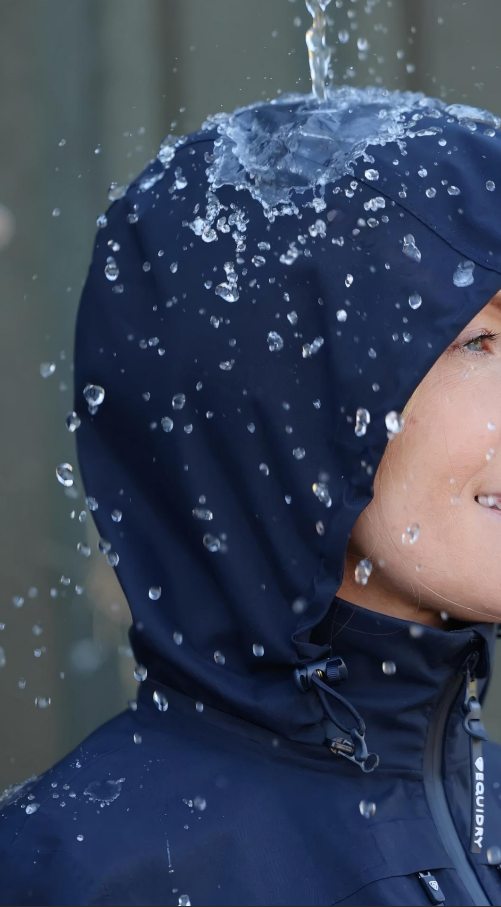
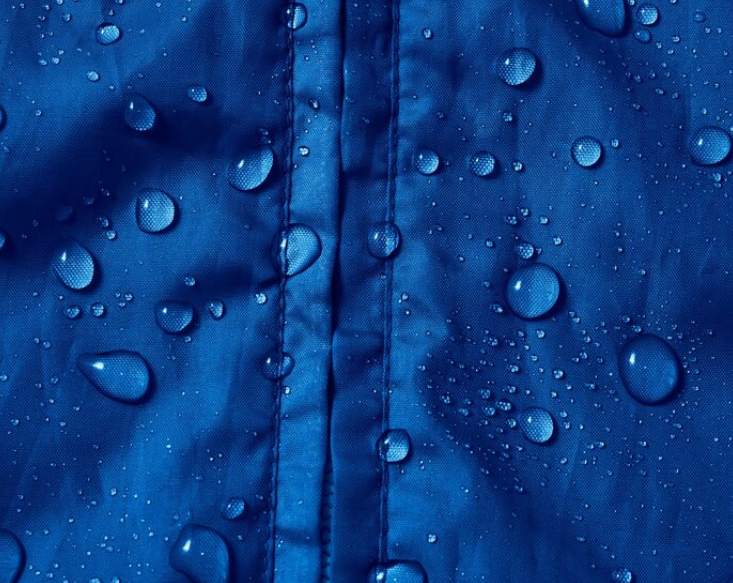
Het belangrijkste onderdeel van het weghouden van water is de Duurzame Waterafstotende (DWR) afwerking op de buitenstof. Deze laag zorgt ervoor dat water zich verzamelt in druppels en wegglijdt. Het voorkomt dat water in de draden zinkt. De stof blijft dus licht. En het voorkomt om te worden gewekt. Maar na verloop van tijd kan vuil of wrijven de DWR verzwakken. Dus je moet het terecht om het sterk te houden.
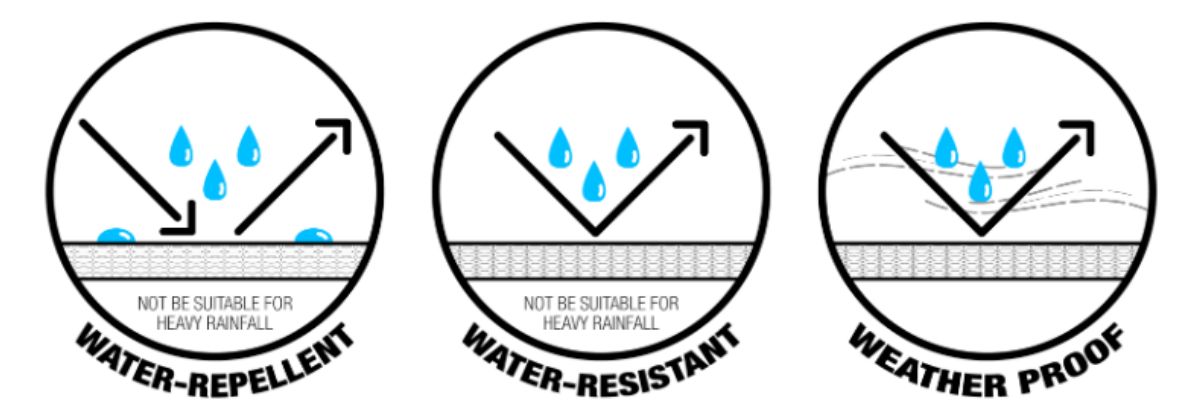
Het helpt de kloof tussen waterdichte, waterbestendige en ademende stoffen te begrijpen. Waterdichte typen blokkeren water volledig, zelfs met kracht op hen. Waterbestendige soorten duwen milde vochtigheid terug. Toch kunnen ze water binnen laten tijdens lange natte spellen. Ademende stoffen mengen deze kwaliteiten. Ze laten lichaamsvochtigheid uit. Dit houdt je op je gemak, zelfs als je veel beweegt.
Waarom ademhaling belangrijk is tijdens het onvoorspelbare lenteweer
Het lenteweer schakelt vaak van heldere zon naar snelle regenvallen. Dit maakt ademendheid een belangrijk kenmerk in hardshell stoffen. Microporeuze membranen laten de zweetdamp van uw warmte eruit bewegen. Ondertussen stoppen ze buiten waterstukken binnen te komen. Op deze manier vermijd je te heet te worden. Het vermindert ook de opbouw van zweet in de kleding.
Bij activiteiten zoals wandelen of fietsen is het behouden van de mix van veiligheid en gemak belangrijk. Ademhalingsvermogen kan mislukken. Dit gebeurt door vuil vullen poriën of oude coatings. Vervolgens voelt de gebruiker zich zweten en verliest de lichaamswarmte controle. Regelmatig schoonmaken zorgt voor een goede luchtstroom. Het houdt ook membraan sterkte door weersveranderingen.
De wetenschap achter Hardshell Fabric Construction
Welke lagen vormen een hardshell systeem?
Huidige hardshell setups omvatten verschillende samenhangende lagen. Ze werken samen voor de beste veiligheid en gemak. De buitenlaag werkt als een wrijvbestendige beschermer. Het draait wind en regen weg. Bovendien houdt het tegen hobbelige grond of gereedschapsskrabben.
Dubbellaagse stof heeft een buitenstof en een waterdicht en ademend membraan. De warmte bindt ze. Het membraan is vaak polyester. Het kan ruw voelen rechtstreeks op je huid. Dus dubbellaagse jassen bevatten vaak een binnenlaag. Dit is meestal mesh of slank polyester.
Voor betere resultaten gebruiken veel topontwerpen een drielaagse opzet. Alle delen worden samengevoegd tot één volledig stuk. Drie-laagse naad-afgedichte regenjassen kwamen om het huidongemak van twee-laagse naad-afgedichte regenjassen op te lossen. Deze methode vermindert de dikte. En het verbetert de behandeling van vochtigheid tijdens lange sessies.
Hoe naad afdichting en stof behandelingen verbeteren bescherming
Zelfs met goede membranen kunnen genaade verbindingen in zachte vlekken veranderen. Water kan lekken door de naaldsporen. Naad afdichting is nuttig. Het past warmtebanden of ultrasone lassen toe om een lek te creëren – bewijsbarrière bij de gewrichten. Het terugzetten van DWR-coatings van tijd tot tijd brengt oppervlakte pushback. Je verliest het door schoonmaken of slijtage.
Het juiste onderhoud heeft invloed op hoe lang de stof houdt. Gebruik zachte zeep gemaakt alleen voor tech kleding. Ze houden het membraan geheel. En overslaan doekverzachters. Ze blokkeren gaten en verminderen de ademhaling.
Hardshell-stoffen vergelijken met andere weersbeschermingsmaterialen
Zijn softshells of regenjassen beter voor lentedouches?
Softshells geven buig en eerlijk weersschild. Ze passen bij lichte mist of droge windige dagen. Maar hun gebreide bouwt kan’ t gelijk hardshells’ full-block membranen in gestage neerspoelen. Standaard regenjassen kunnen voldoende dekking geven. Maar ze geven meestal ademhaling op om geld te besparen.
Wanneer de lenteregen optreedt of het weer snel verandert van nat naar droog, zorgen harde schelpen voor een sterkere betrouwbaarheid. Dit komt door hun gesloten naden en harde coatings. Het nadeel is een beetje zwaarder dan softshells. Maar ze bieden veel betere waterdichte niveaus voor veranderend weer.
Wanneer moet je kiezen voor een hardshell boven andere buitenkleding?
Hardshell stoffen doen het goed op plaatsen met grote regen, harde wind of veranderende hitteniveaus. Deze markeren vroege lentewandelingen of excursies. Hun sterke zorgen ervoor houdt nature’ s spanningen in de loop der tijd. En het houdt gemak met luchtsystemen zoals okseltrekken.
Voor natuurliefhebbers in taken zoals wandelpaden of fietsen over gevarieerd terrein is het kopen van een solide hardshell slim. Het brengt duurzame kracht en stabiele weerbewaking elk seizoen.
Praktische tips voor het behoud van de prestaties van uw hardshell stof
Hoe kun je de levensduur van je hardshell kleding verlengen?
Gewoonlijke verzorging strekt uw jas sterk’ s werkleven. Was het gestaag met zeep voor technische buitenuitrusting. Ze verwijderen vetten en stukjes die membranen beschadigen. Bleekmiddel of verzachters overslaan. Ze kunnen poriën vullen en de luchtstroom verlagen.
Laat het stuk na het schoonmaken volledig drogen in de open lucht. Bewaar het vervolgens in een frisse, luchtige ruimte. Dit voorkomt schimmelverspreiding of laagsplitsingen.
Wanneer moet je je hardshell jas afkeuren?
Als water aan de buitenkant kralen vormt, is de DWR nog steeds goed. Maar als druppels beginnen te zinken in plaats van af te glijden, moet je terecht. Het hangt af van hoe vaak je het gebruikt. Voor dagelijkse reizen, doe het om de paar maanden. Of voor nu en dan wandelingen, een keer per jaar.
Home reproofing betekent spray- of wasoplossingen gelijkmatig op verse stof te verspreiden. Volg met zachte hitte van een droger op laag.
INVIDIA TEXTILE: Het maken van betrouwbare hardshell stoffen voor onstabiel weer
Wat onderscheidt INVIDIA TEXTILE op het gebied van functionele stoffen?
Bij INVIDIA TEXTIELwe mengen verse ideeën met vakkundig maken. Wij maken sterke hardshell stoffen geschikt voor spring’ veranderende weersomstandigheden. Al 15 jaar staat INVIDIA TEXTILE in de voorhoede als een OEM kledingpartnerOnze achtergrond laat ons waterdichte ademende technologie vormgeven. Het zorgt voor veiligheid en gemak in gevarieerde buitenplekken.
We benadrukken groene coatings en vooruit laminatiestappen. Deze verhogen uithoudingsvermogen zonder schade groene doelstellingen. Onze vooruitgaande vaardigheden omvatten naadloos lassen. Onze ultrasone lasmachines maken dit mogelijk. De methode stimuleert het lokale waterdichte werk in de buurt van naden. Het is een belangrijk punt bij gestage regen.
In ons maatwerk plannen we OEM jassen met regenvergoed en actieve jassen. Ze passen bij het veranderen van seizoenen zoals de lente. Elk item gaat door strenge controles. Zoals waterdruk en vastheidstests bij aankomst. Dit zorgt ervoor dat materialen harde buitennormen treffen voordat ze groot worden gemaakt.
Veelgestelde vragen
V: Zijn hardshell stoffen volledig waterdicht?
A: Hardshell stoffen zijn ontworpen om volledig waterdicht te zijn onder normale omstandigheden dankzij hun afgesloten naden en membranen, hoewel langdurige blootstelling of slijtage de effectiviteit kan verminderen zonder goed onderhoud.
V: Kunnen hardshell jassen comfortabel worden gedragen in warmer voorjaar weer?
A: Ja, moderne hardshells bevatten ademende membranen die vochtdamp laten ontsnappen, waardoor ze geschikt zijn, zelfs als de temperaturen in de lente schommelen.
V: Hoe weet ik of mijn hardshell jas moet worden beschuldigd?
A: Als de regen stopt met kralen op het oppervlak of het stof vochtig voelt na lichte douches, is het tijd om de DWR-coating te herstellen met behulp van een reproofingproduct voor optimale prestaties.
