
 +86-13634185427

Wat’ s de toepassing van technische thermische vulling in vachten?


 Technisch thermisch vullen in vachten
Wat is technisch thermisch vullen en hoe werkt het?
Technical Thermal Filling verwijst naar een set van gemaakte isolatie spullen bedoeld alleen voor buitenkleding om lichaamswarmte mooi vast te grijpen. In tegenstelling tot natuurlijke isolatoren zoals dons, wordt Technical Thermal Filling gemaakt met valse vezels die zijn ingesteld om warme lucht in hun kleine vezels te grijpen, waardoor een warmtewand wordt gebouwd tegen koude vlekken. Deze vastgevangen warme lucht fungeert als een bewaker, trimmende hitte ontsnapping en het houden van de innerlijke lichaamstemperatuur stevig, zelfs in ijsige plekken.
Deze valse isolaties worden gevormd om ofwel overeen te komen met de puff en warmte houd van echte beneden of, in veel gevallen, top het door het geven van even prestaties over verschillende buiten staten. De belangrijkste taak van Technical Thermal Filling ligt in zijn vaardigheid om een stevig klein klimaat binnen de outfit te bouwen terwijl vocht eruit laat glijden - belangrijkste punten voor gezelligheid en warmte.
Welke materialen worden vaak gebruikt in technische thermische vullen?
Polyester microvezels rangschikken als een aantal van de meest geplukte spullen in technische thermische vullen dankzij hun vaardigheid om warmte te brengen zonder grote heft. Deze slanke vezels worden gevormd om strak te verbinden, waardoor veel luchtgaten worden gevormd die de isolatie opheffen.
Geavanceerde polymeercombo's worden ook gewend om eigenschappen zoals luchtstroom en buiging te verbeteren. Deze polymeren laten de vulling warmte vasthouden terwijl ze losser verschuiven naar lichaamsverschijvingen en gemengde temperatuurtoestanden.
Bovendien worden sommige technische thermische vullen behandeld met vochttrekkende of waterblokkerende lagen. Deze oplossingen zorgen ervoor dat de isolatie blijft werken, zelfs onder vochtigheid of milde regen, helpen om te stoppen met natken en het besparen van warmte energie tijdens drukke tijden.
Belangrijkste voordelen van technische thermische vulling in buitenkleding
Hoe is het in vergelijking met traditionele isolatie?
Een grote rand van Technical Thermal Filling over beneden is zijn vermogen om isolatie te houden wanneer het vochtig is. Down klomp meestal en laat zijn pluis vallen na het opwekken van vocht, slecht het snijden van zijn warmtekracht. Technische vullingen duwen water echter terug door te bouwen, waardoor ze de inname van water afweeren en sterk blijven lopen.
Ook, Technisch thermisch vullen blijf vrij van allergieën en vriendelijk voor dieren. Deze functies maken ze geweldig voor mensen met allergieën of die van goederen houden die niet van dieren zijn. Valse isolatie blijkt ook gemakkelijker vanuit een onderhoudshoek - het wast vaak in machines en slaat speciale neigingen over.
Wat zijn de voordelen voor dagelijkse dragers?
Voor regelmatige slijtage biedt Technical Thermal Filling verschillende handige randen. Het lichte maken garandeert soepele beweging en mooier gemak over lange slijttijden. In tegenstelling tot dikke natuurlijke isolatoren geven deze vullingen topbeweging zonder warmte te beschadigen.
De stevige warmte over veranderende weersomstandigheden verhoogt ook hun aantrekkingskracht. Of het nu gaat om snelle koude druppels of zachte winterdagen, technische isolatie past beter dan oude spullen. Bovendien duwen de harde nepvezels in deze vullingen tegen knijpen en houden ze hun vorm vast, waardoor ze lange termijn en stevig werk over vele seizoenen beloven.
Toepassing van technische thermische vulling in coat design
Hoe wordt technische thermische vulling geïntegreerd in de coatconstructie?
De mengwijze van technische thermische vulling in jassen vereist spot-on bouwtrucs. De vullingen worden verstopt tussen de buitenhuid van de outfit en de binnenlaag via quilting of baffle maken stijlen. Quilting steeken helpen bij het houden van de vulling verspreid gelijkmatig, terwijl baffles laten voor puffier isolatie minus koude vlekken.
Makers slim afstemmen vulplekken - het plaatsen van meer isolatie in de buurt van belangrijke gebieden zoals de borst en minder in de buurt van bochten - om warmte te wegen met vrije verschuiving. Via exacte stapeltricks kunnen jassen hoge hittevermogen raken terwijl ze extra puff trimmen, wat eindigt in trimvormen die geweldig doen in koude zones.
In welke soorten vachten is technisch thermisch vullen het meest effectief?
Winterparka's en jassen voor koud klimaat
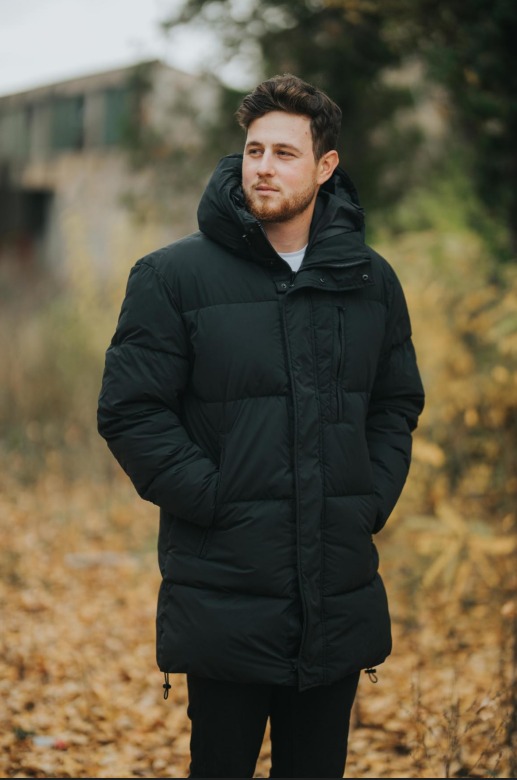
Technische Thermische Vulling is extra handig in stoere bovenkleding zoals winterparka's en onder-nul weerjassen. Deze outfits maken vaak gebruik van isolatie met hoge vulsterkte om een solide bescherming te bieden bij ruw weer. Bredere dekkingsvlekken zoals gewatteerde kappen, polsen en langere bodemen verhogen de warmtebehoud verder, waardoor ze geschikt zijn voor zware wintervlekken.
Urban Commuter Jassen en Lichtgewicht Puffers
Stadsreizers profiteren van dunne vormen die werkelijk worden gemaakt door lichte technische vullingen. Deze jassen brengen de twin plus van stijl en gebruik, waardoor de benodigde warmte zonder te besparen op het uiterlijk of het gemak om te dragen. Geweldig voor tussentijds weer of stad plekken met veranderende temperatuur, ze brengen snel gemak met weinig puff.
Outdoor Performance Gear (bijvoorbeeld wandelen, skijassen)
Technical Thermal Filling valt echt op in doelgerichte uitrusting zoals wandelen of skijassen. De luchtige maar warmtebehoudende eigenschappen van deze spullen passen bij spelers en ontdekkingsreizigers die topwerk willen onder harde omstandigheden. Waterblokkerende lagen stoppen met het doorwekken van sneeuw of regen, terwijl luchtstroom ervoor zorgt dat vochtige bladeren tijdens lichaamswerk.
Waarom groeit de toepassing van technische thermische vullen in populariteit?
De toenemende behoefte aan duurzame en krachtige kleding heeft nieuwe ideeën in technische doeken aangewekt. Kopers zoeken nu naar outfits die veranderen met het veranderende weer terwijl het verminderen van ecologische schade. Technische Thermische Vulling voldoet hieraan door betrouwbare warmte te brengen met betere taaiheid en kleinere eco-markeringen.
Weersveranderingen hebben ook de vraag naar flexibele isolatieoplossingen opgewekt. Outfits met technische vullingen kunnen een breder scala aan tempo's en toestanden aanpakken dan oude keuzes.
Stappen vooruit in doekbouw laten nu fabrikanten de isolatieeigenschappen vormgeven op basis van geplande actieniveaus of weerstypen op het gebied. Deze persoonlijke touch zorgt ervoor dat elke jas het beste werkt op zijn ingestelde plek.
Spotlight op INVIDIA TEXTIEL en zijn innovaties in thermische isolatie
Wie is INVIDIA TEXTIEL En wat bieden ze?
INVIDIA TEXTILE, is een gerespecteerde fabrikant die retailers en importeurs wereldwijd bedient. En wij hebben 11 productielijnen, meer dan 280 werknemers met productiecapaciteit van 35.000 stuks per maand, wij bieden sterke sourcing ondersteuning en stellen ons in staat om sommige OEM, ODM Projecten te ontvangen.
Met een systeem gedreven management concept, strikte kwaliteitscontrole en kwaliteitsborgingssysteem, goed georganiseerde logistiek, hebben we grote vooruitgang bereikt dat we al ons eigen ontwikkelingsontwerp/sourcing team, steekproefcentrum, merchandiser en inspectieteam hebben gebouwd, en de beste service, hoge kwaliteit met concurrerende prijs aan de jouwe hebben verstrekt.
Wat maakt INVIDIA TEXTIELDe producten opvallen?
Geavanceerde materiaaltechniek voor een optimale warmte-gewichtsverhouding
Onze technische thermische vulling gebruik kleine structuur bouwen gemengd met vooruit polymeren om de warmte vast te stellen terwijl het houden van outfits licht. Deze top warmte-gewicht balans zorgt ervoor dat gebruikers gezellig blijven zonder te worden getrokken door hun kleding - geweldig voor zowel sportkleding en dagelijkse slijtage.
Vochtbeheer en ademhalingsmogelijkheden
We voegen vochttrekkende technologie toe aan onze vullingen zodat gebruikers droog blijven, zelfs in hoge actietijden. Onze luchtige isolatieoplossingen zorgen ervoor dat zweet snel vervaagt terwijl het nog steeds kernwarmte grijpt - een belangrijk punt voor zowel buitensportkleding als stadsreizers.
Eco-bewuste productie Praktijken
Onze toewijding aan groene manieren toont zich in onze keuze van herbruikbare spullen en energiebesparende trucs. We streven niet alleen naar het geven van werkdoeken, maar ook om ecologische schade te verminderen over onze volledige leveringslijn.
Veelgestelde vragen
Q: Wat is de warmste vulling voor een jas?
A: Het warmste vullen hangt af van gebruik, maar hoogwaardige technische thermische vulling kan rivaliseren met of overschrijden de isolatie in warmte, vooral wanneer factoring in natte weerprestaties.
V: Is het technische thermische vullen beter dan beneden?
A: Technisch thermisch vullen biedt verschillende voordelen: het isoleert nat, is hypoallergeen, gemakkelijker te reinigen en duurzamer - waardoor het een sterk alternatief is, afhankelijk van uw behoeften.
V: Hoe lang duurt het technische thermische vullen?
A: Met de juiste zorg kunnen coats met technische thermische vulling hun isolerende eigenschappen meerdere jaren handhaven vanwege duurzame synthetische vezels die in de loop van de tijd tegen compressie en afbraak weerstaan.
