
 +86-13634185427

PU vs TPU vs ePTFE Membranes: Which Waterproof Jacket Material Should Brands Specify?


Choosing a waterproof jacket membrane is not a simple ranking exercise. PU, TPU and ePTFE are different material approaches, but the finished result depends on the face fabric, membrane or coating, backing, seams, components and test method. Select against the use case and evidence requirements, then verify the garment. A material name alone does not establish performance or environmental compliance.
Why Does Waterproof Jacket Material Selection Matter?
The membrane or coating is one component of a multi-layer fabric system. How the system is constructed and how the garment is made up can greatly affect the performance of the membrane or coating. Therefore, compare the complete garment construction, not just labels.
What Do PU, TPU and ePTFE Mean in a Waterproof Jacket?
PU means polyurethane and can be used as a coating or as a membrane component in a textile system. TPU is thermoplastic polyurethane, a polyurethane material processed as a thermoplastic. ePTFE is expanded polytetrafluoroethylene, used in some membrane constructions. These terms identify material families; they do not, by themselves, define a fabric’s exact structure or measured performance.
Ask whether the offer is a coating, laminated membrane or composite. Request construction details and a report for the exact material. “PU waterproof fabric” alone does not specify thickness, hand feel, vapor transfer or garment behavior.

Why Must Brands Specify the Whole Waterproof Jacket System?
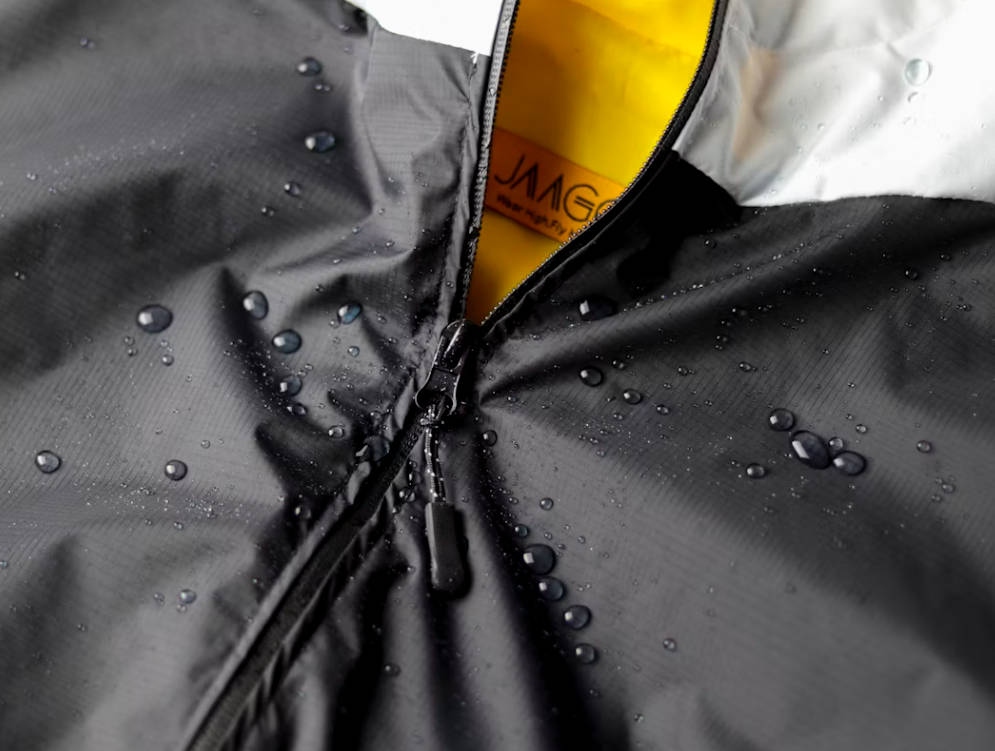
There are several layers to a material including the face fabric, coating or membrane, the backing, the lining, the seams and the closures. While a material may pass a fabric test, water can enter at the seams, zipper ends or pocket openings. The way a garment is constructed can affect the wearer’s experience of the material, even if the fabric test results remain unchanged.
So a full specification for a garment should cover the material build of the garment as well as the garment construction. This means that you should detail any seam sealing or other seam treatment as well as details of closures, etc. Note that this can apply to a fabric sample, to a laminated composite or to the finished jacket. A material name should not be confused with a complete product claim.
How Should Brands Evaluate PU Membranes and Coatings?
PU is a large family of materials and not all PU constructions have the same characteristics. The choice of material must be made based on the end fabric and the specific requirements of the product brief.
What Should Buyers Ask About a PU Waterproof Jacket Material?
Find out whether the PU coating is a coating or a membrane and how it is combined with face fabric and backing. Check for sample composition, weight, finish, color and any special care requirements. For terms such as ‘breathable’ and ‘waterproof ’, ask for the corresponding test method and for specimen and criteria for acceptance.
PU formulations can differ in hand feel and performance. Compare samples and reports on a consistent basis, and specify any flexibility, abrasion or care priorities.
How Do Seams and Finishing Affect PU Jacket Construction?
Selecting a coating or membrane does not replace decisions on seams and garment construction. In all cases, needle holes created by stitching need to be closed using seam sealing or other methods. The choice of seam tape, application conditions and panel construction must be compatible with the fabric and verified by means of test samples.
Check for water penetration in high-risk areas such as front opening, shoulders, hood, pockets and underarm. Waterproofing requirements can be assessed on the relevant specimen using an agreed test method. A fabric report does not guarantee that all completed jackets will have performed in the same manner.
How Do TPU and ePTFE Compare for Waterproof Jackets?
TPU and ePTFE should be compared based on specific verified constructions and applications. Material documentation as well as relevant testing should be requested during the sourcing process.
What Should a Buyer Verify in a TPU Membrane Specification?
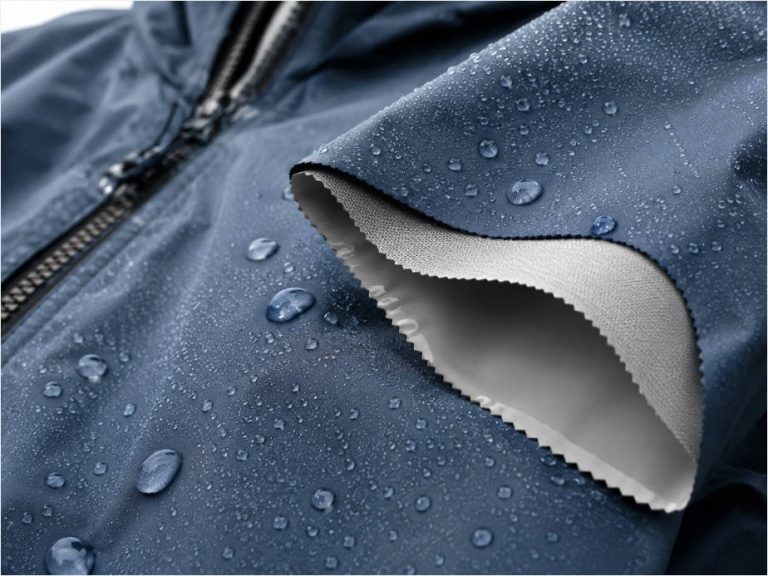
Confirm whether TPU is supplied as a film, coating or part of a laminate, and identify the layers in the proposed fabric. Request the test method and results for the exact construction. A label that says “TPU membrane” does not reveal the complete fabric build, finished hand or performance under a specific use condition.
Describe how your chosen fabric will be used in the construction of your garment. This includes seams, edges, closures, linings and general design of the garment. Approve fabric from a sample made up with intended components of the garment, not just from a swatch or description.
What Evidence Is Needed for an ePTFE Waterproof Jacket Claim?
When a supplier proposes ePTFE, ask for documentation that identifies the exact material and its construction. Review relevant test reports, including the tested specimen, method, conditioning and date where available. Do not infer performance or environmental attributes from the polymer name alone.
Ensure the report created relates to the material sampled and inspect the completed garment for seams, openings and closures. A fabric-only test does not prove a completed jacket, so ensure your claims for the completed garment relate to the evidence for that construction.
What Should Brands Put in a Waterproof Jacket Material RFQ?
A useful RFQ sets out the broad goals of what you are looking for and details out the items that the supplier can source, sample and test to achieve the required construction, evidence and approval.
Which Membrane, Face Fabric and Seam Details Should Be Listed?
Note the face fabric, coating or membrane, backing or lining, weight, color and finish. Detail the intended end use and the balance of properties required such as protection, breathability, feel, durability and launderability. Detail any areas where seams require special attention and list compatible fastenings and additional pockets.
Detailed specifications for required test reports, as well as a clear definition of whether target values are for fabric, laminate or finished article, are required. Acceptance method and criteria must be agreed prior to approval of sample proposal, so that proposals can be compared.
How Should Samples and Production Changes Be Approved?
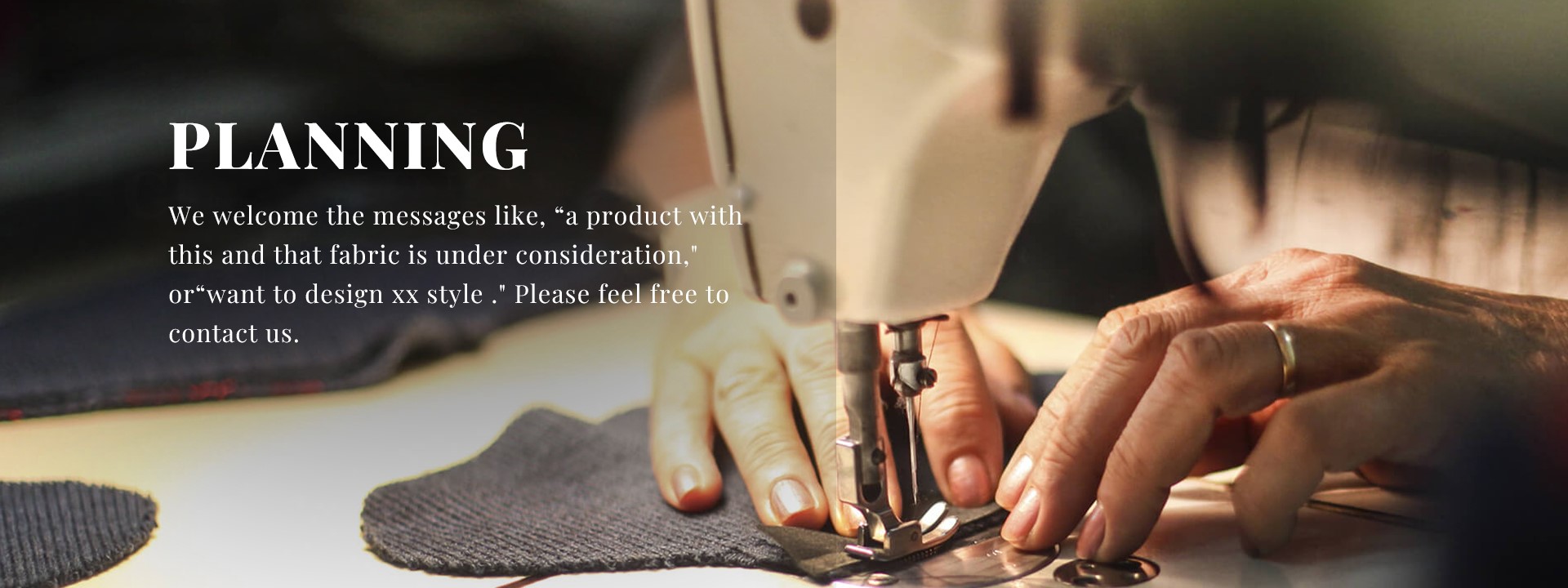
Our development process starts with your inquiry and the product planning. For our products made of fabrics, we plan the required fabrics, accessories and the packaging for the respective target market. After the CAD patterns for the garments have been created, so-called counter or fit samples are produced in several rounds until the final approval for the fit is given. The pre-production sample is then produced with the final approved bulk materials and checked on the production line before it is delivered.
Rainwear samples can be created with 100% nylon outer fabric, 100% polyester lining, removable hood and seam taped throughout the garment. We also have a number of Fabric Swatch books available. Colors, sizes, fabrics, styles, labels and logos can also be amended to suit the customer’s brief.
Use approved sample as bulk reference. Compare material/construction changes with previous test data prior to reuse of test data/evidence.
How Can INVIDIA TEXTILE Support Waterproof Jacket Material Sourcing?
INVIDIA TEXTILE work with brands to develop product plans, source materials, create samples and conduct inspections of production. We welcome you to provide us with a product concept, a suggested fabric direction and any design references that you consider to be relevant to our discussions.
Develop Custom Waterproof Jacket Fabrics and Construction
På MISUNNELSESFULL TEKSTIL, we can coordinate the sourcing of materials and accessories to match the product concept and target market. Our rainwear constructions may use nylon shells, polyester linings, detachable hoods, and fully taped seams. We can customize fabric, color, style, size, labels, and logos based on original samples or photographs.
Move From Waterproof Jacket Samples to Production Approval
CAD patterns and counter or fit samples are prepared and further rounds of fit approval are carried out as required. The pre-production sample is made using the final approved bulk fabric and all accessories. We carry out production-line inspections before delivery of your goods.
The specific PU, TPU or ePTFE content and test requirements have to be clarified for the proposed material.
FAQ
Q: Is PU or TPU Better for a Waterproof Jacket?
A: This is to say that there is no material better than another. The comparison has to be made based on the specific construction of a fabric, the planned use of the jacket, test reports, the required care and the sample’s performance. Only by comparing these aspects can one decide which jacket system is required with a specific material acronym.
Q: Does an ePTFE Membrane Alone Make a Waterproof Jacket?
A: No material name guarantees the performance of a finished garment. Other factors like the construction of the fabric, the seams, the closures and the openings all have to be checked against the agreed specifications for the relevant material and the finished jacket.
Q: What Should Buyers Request Before Approving a Waterproof Jacket Material?
A: Please provide us with the construction details and test reports so that we can identify the correct specimen and test method. Please review a sample made with the proposed fabric, seams and other components and advise us on the approved sample prior to producing in bulk.
