
 +86-13634185427

Как 3D-каналная ткань революционизирует настоящие пуховые и поддельные пуховые куртки


ТОсновы пуховых курток
Чем отличается реальный вниз от синтетического вниза?
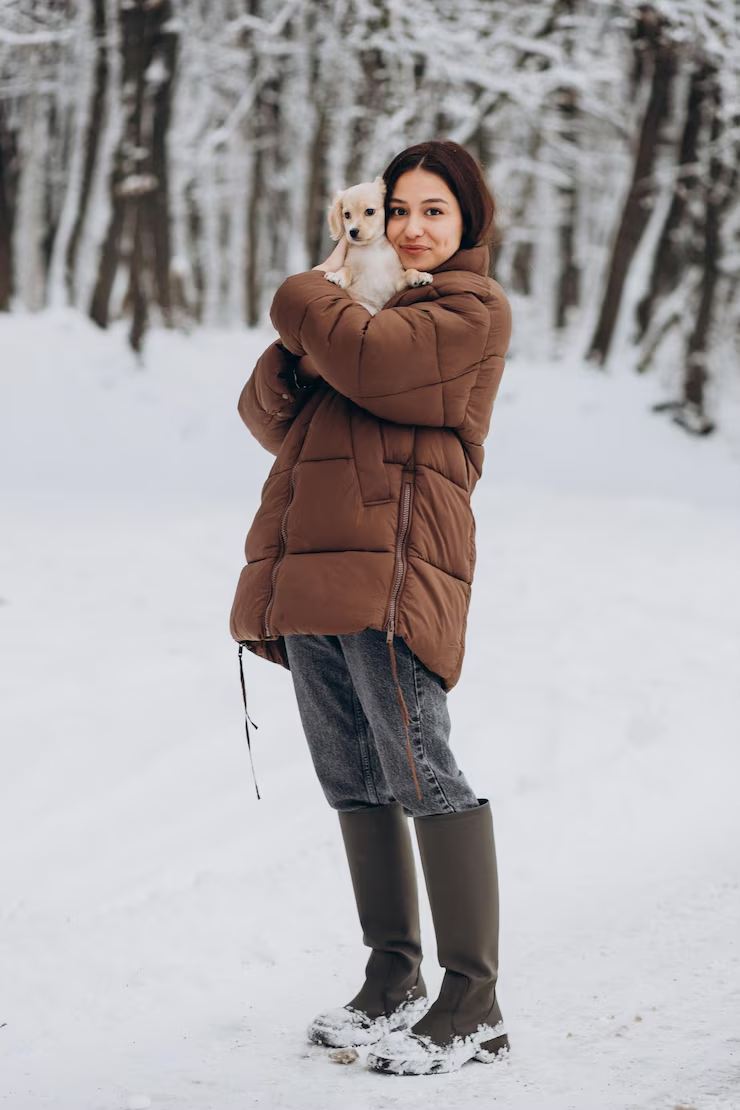 Пуховые куртки предпочитаются своими топлыми и легкими чертами. Однако не все куртки сделаны одинаково. Главное различие заключается в реальном внизу и синтетическом внизу.
Настоящий пух происходит от нежных под-перьев уток или гусей. Он предлагает высшую оболочку и упаковку. Эти пучки хорошо ловят воздух, что приводит к тонким соотношениям тепла и массы. Реальный вниз также складывается небольшим, подходящим для поездок и накладывания.
Между тем синтетический пух копирует настройку реального пуха с полиэстерскими нитями. Дает тепло даже при влажности. Хотя он может не упаковаться так хорошо, как настоящий вниз, поддельные варианты часто дешевле, безопасны для аллергии и проще уходить за ними.
Оба вида оболочки имеют свои плюсы: настоящий пух блестит в сухих, холодных местах благодаря своему великому пуху, в то время как синтетический пух стабильно работает в влажных местах и обеспечивает более сильную защиту от влаги.
Почему ткань важна в пуховых куртках?
Тканная конструкция пухового куртка играет ключевую роль в установлении его тепловой мощности, потока воздуха и срока службы. Старые куртки используют конструкцию бафеля, где наружные и внутренние листы шиются, чтобы сделать секции, которые сохраняют набор наполнения. Но таким образом часто добавляются шпиковые отверстия, которые превращаются в мягкие пятна для проникновения холодного воздуха и утечки тепла.
Кроме того, старые буферы могут вызвать неравномерное распространение наполнения со временем. Это создает холодные зоны. Чтобы устранить эти проблемы, специалисты по тканям сделали свежие исправления, такие как ткань 3D-канала, которая дает лучшее покрытие.
Что такое 3D-канальная ткань и как она работает?
Чем 3D-каналная ткань отличается от традиционной конструкции баффеля?
В отличие от стандартной конструкции бафеля, которая зависит от шитых секций, 3d канал ткани имеет вязанную трехстороннюю настройку, которая делает встроенные пути для заполнения внизу. Этот план уменьшает необходимость шитья между секциями, поэтому он удаляет вероятные отверстия для теплоутечания.
Вместо этого производители используют 3D-конструкции, которые вязаны между нейлоновыми и полиэстеровыми листами, установленными в офсетном порядке. Эти листы создают связанные воздушные отверстия, которые ловят тепло, как волосы белого медведя.
Результатом является более равномерное распространение наполнения по одежде. Кроме того, проверки показывают, что этот тип конструкции может снизить потери тепла примерно на 70 процентов, если сопоставить с более старыми однолистовыми куртками, основанными на отчетах о тепловой науке из прошлого года.
Каковы основные преимущества 3D-канальной ткани в дизайне куртки?
Одним из самых больших преимуществ 3D-канальной ткани является ее способность поддерживать стабильный надух через одежду. Эти тщательно созданные маршруты увеличивают теплоотдачу, сохраняя поток воздуха.
Резая шитые соединения между секциями, ткань 3D-канала уменьшает холодные пятна и повышает удержание тепла. Ткань 3d-канала делает свой трюк, управляя температурой с помощью специальных воздушных отверстий, которые действуют вроде того, как кровяные пути обмениваются теплом в наших формах.
Кроме того, эта гладкая конструкция улучшает защиту от ветра и воды. Нанопокрытия на основе фторополимеров, добавленные на глубине 15-20 мкм, создают углы контакта более 115°. Это приводит к тому, что вода скользит с грубых поверхностей. Эти пальта сохраняют высокую защиту от воды даже после многих раундов мытья.
Применение 3D-канальной ткани в реальных пуховых куртках
Почему 3D Channel Fabric меняет игру Реальные пуховые куртки?
Реальные пучки естественно растут и сокращаются с движением и сдвигами температуры. Ткань 3D-канала позволяет этим пучкам оставаться распространенными даже сохраняя их естественный пух. Активное распределение тепла и дыхающий баланс изоляции усиливаются этим планом. Это делает настоящие пуховые куртки более подходящими к меняющимся уровням действий и внешним температурам.
Кроме того, настоящие пуховые куртки теперь могут быть сделаны легче, не теряя на работе. Полевые проверки показывают, что эти ткани сохраняют 95% стоимости начатой наполнки после 50 стирки. Они превосходят стандартный нейлон на 32% по сроку службы.
Эта усиленная прочность имеет жизненно важное значение, поскольку она сокращает износ, вызванный набором или разрывом перьев со временем.
Как это улучшает комфорт и производительность в холодных погодных условиях?
В холодных местах легкость приходит от стабильной жары и свободного движения. Гибкая природа 3d-канальной ткани позволяет курткам подходить к линиям тела, не создавая пресс-пятен или теряя пух. Тепловые сканирования при -20 ° C (-4 ° F) показывают, что 3D-канальные ткани сохраняют 94% температуры поверхности даже по груди, по сравнению с 68% в обычном пухняя курткас.
Эти ткани также способствуют улучшению потока воздуха во время движения. Инфракрасное сканирование подтверждает, что эти изогнутые формы соединения сохраняют заполнение ядра, позволяя целевому теплу отпустить. Эта смесь делает их подходящими как для постоянного использования, так и для задач с высокими усилиями.
Интеграция 3D-канальной ткани в синтетические пуховые куртки
Можно ли синтетическое наполнение извлечь выгоду из строительства 3D-канала?
Конечно. Фальшивые наполнения, как правило, перемещаются или купаются со временем, если не установлены правильно. С помощью 3D-канальной ткани синтетические нити лучше сохраняют форму в установленных путях. Это прекращает скопление или перемещение со временем.
Кроме того, настройка позволяет улучшить поток воздуха, сохраняя тепло в влажных местах, где обычно сияет синтетический пух.
Как эта инновация преодолевает разрыв между реальными и поддельными пуховыми куртками?
Сравнение производительности: реальные vs синтетические с 3D-каналами
При использовании с реальным или синтетическим пухом конструкция 3d-канала уменьшает холодные пятна и обеспечивает более стабильную оболочку через одежду. Эти небольшие ловушки для теплого воздуха действительно повышают соотношение тепла на вес примерно на 23 процента по сравнению с обычными запутанными куртками, согласно исследованию Material Science Review в 2023 году.
В частности, синтетические куртки приобретают более естественное ощущение «лофта» с помощью этой технологии - что-то традиционно эксклюзивное для настоящей пуховой одежды.
Устойчивость для потребителей, использующих синтетические варианты
Для зеленых покупателей синтетические пуховые куртки с 3D-канальной тканью предлагают хороший выбор. Повышенная прочность приводит к более длительному сроку службы элемента, уменьшая экологический ущерб со временем. Кроме того, эти товары уменьшают потребность в материалах животного происхождения, не теряя тепла или работы.
Кто ведёт инновации в 3D-канальных тканных куртках?
Что делает INVIDIA ТЕКСТИЛЬ‘ С пуховые куртки выделяются?
INVIDIA ТЕКСТИЛЬИспользование технологии 3D-канала в своих продуктах
В INVIDIA TEXTILE мы добавляем свежие методы вязания, которые позволяют нам сформировать гладкие внутренние пути для начинки. Наши настоящие пуховые куртки предлагают смеси 90/10 пухов/перьев, размещенные в ультралегких оболочках, обеспечивающие превосходную тепловую производительность с минимальным объемом.
Благодаря интеграции технологии 3D-канала наши куртки демонстрируют исключительное соотношение тепла и веса и уменьшенные холодные зоны, не жертвуя мобильностью или гибкостью.
Контроль качества и выбор материалов INVIDIA ТЕКСТИЛЬ
Мы поддерживаем строгие стандарты контроля качества и закупаем только премиум-материалы. Если это’ с высококачественными гумиными пухами этического происхождения или высококачественными синтетическими альтернативами, основанными на требованиях к использованию, мы обеспечиваем долговечность и долговременную производительность.
Наши возможности настройки обширны - мы поддерживаем полную настройку на размеры / цвет / ткань / стили / этикетки / логотипы ... и т.д., что позволяет вам адаптировать каждую деталь ваших потребностей в верхней одежде.
Мы прошли отраслевые сертификаты, такие как BSCI, GRS и OEKO-TEX для ответственного снабжения и устойчивой производственной практики.

Часто задаваемые вопросы
В: В чем главное преимущество использования 3d-канальной ткани в зимной куртке?
О: Основным преимуществом является улучшенная изоляция через бесшовные внутренние каналы, которые предотвращают холодные пятна, повышают удержание лофта и блокируют проникновение ветра без добавления массы.
В: Достаточно ли тепла куртка с синтетическим пухом и тканью 3D-канала для экстремального холода?
О: Да, в сочетании с качественным синтетическим наполнением конструкция 3d-канала обеспечивает отличное тепло даже в условиях замораживания, поддерживая равномерное распределение и уменьшая потери тепла.
В: Как выбрать между реальным внизом и синтетическим внизом, если оба используют ткань 3D-канала?
A: Выберите реальный вниз, если вы уделяете приоритет максимальному соотношению тепла и веса и сжательности; выберите синтетический, если вам нужна более высокая устойчивость к влаге или предпочитаете материалы без животных, не жертвуя производительностью благодаря улучшенной структуре, предоставленной 3D-каналами.
