
 +86-13634185427

Устойчивые инновации в наружной одежде: экологически чистые ткани и переработанная изоляция


Что делает одежду действительно устойчивой?
Почему мы должны заботиться об устойчивости в наружной одежде?
Верхняя одежда является ключевой частью шкафов повсюду. Тем не менее, он входит в число самых требовательных предметов одежды, чтобы сделать. Быстрые модные тенденции создали кучи искусственных курток и пальто, которые заканчиваются в свалках. Там они могут заставаться веками, не разрушаясь. Многие из этих продуктов поступают из синтетических материалов, полученных из нефти, таких как полиэстер или нейлон. Они не разрушаются естественным образом. Кроме того, они значительно добавляют крошечные пластиковые отходы в окружающую среду.
Когда мы выбираем устойчивую верхнюю одежду, мы делаем больше, чем следовать тенденции. Мы активно снижаем воздействие на окружающую среду. Выбор зеленых материалов и справедливых методов производства способствует экономии ресурсов. Он также снижает количество отходов и поддерживает достойные условия труда. Растущая обеспокоенность по поводу зеленой практики в одежде превратила экологически сознательный выбор в что-то важное, а не просто приятное.
Как узнать, является ли наружная одежда экологически чистой?
Самый простой способ обнаружить зеленую верхнюю одежду включает в себя проверку значков. Такие марки, как GRS (Global Recycled Standard), OEKO-TEX и GOTS, подтверждают, что текстиль соответствует жестким правилам экологии и безопасности.
Проверьте этикетку одежды на наличие волокон, таких как повторно используемый полиэстер или натуральный хлопок. Эти выборы оказываются более доброжелательными для планеты. Они обычно нуждаются гораздо меньше воды и энергии для создания. Кроме того, посмотрите на компанию’ Зеленые правила. Поделились ли они информацией о своих поставщиках? Применяют ли они нежные цвета или водоэффективные методы? Открытость свидетельствует о реальной приверженности зеленым усилиям.
Исследование экологически чистых тканей в верхней одежде
Какие обычные экологически чистые ткани используются сегодня?
Текущие линии зеленой верхней одежды часто имеют такие материалы, как:
- Органический хлопокВырощенный без искусственных убийц насекомых или почвенных стимуляторов, он проще на земле и использует до 91% меньше воды, чем обычный хлопок.
- КонопляПростая и воздушная волокна, которая нуждается в минимальной воде и нулевых убойниках сорняков для роста.
- Переработанный полиэстерИзготовленный из использованных пластиковых бутылок, он сокращает мусор и зависимость от свежих источников нефти.
Как эти ткани работают в реальных погодных условиях?
Быть зеленым не означает плохого качества. Большинство растительных и повторно используемых волокон в верхней одежде создаются для противодействия суровой погоде:
- Многие получают лечение водостойкости безвредными слоями.
- Повторно используемые синтетические материалы, такие как rPET (переработанный полиэстер), соответствуют прочности и отдавлению воды новых версий.
- Растенные волокна, такие как конопля или органический хлопок, могут смешиваться с передовыми текстильными материалами для дополнительного тепла и потока воздуха.
Рост переоборудованных изоляционных материалов
Что такое усовершенствованная изоляция и как она работает?
Upcycling означает захватывать отходы и превращать их в свежие товары большей ценности. В верхней одежде это включает использование остатков ткани, выброшенной одежды или повторно использованных ПЭТ-бутылок для образования теплых слоев.
Эти предметы сначала проходят через стирку и обработку. Затем они переформируются в теплозахватывающую заполнение, которая конкурирует с обычными типами. Результат? Пальто, которое остается уютным, легким и гораздо мягче на Земле.
Эти достижения не просто моды. Они указывают на путь вперед для стиля.
Является ли усовершенствованная изоляция такой же теплой, как традиционные варианты?
Да, это так. На самом деле, многочисленные переработанные теплые продукты дают тепло на равных уровнях с перьями или поддельными наполнениями. В то же время они лучше справляются с влажностью. Они остаются свободными от вреда животным, что обращается к осознанным покупателям. И они вытащивают мусор из свалок.
Независимо от того, путешествуете ли вы в холодном или влажном городском путешествии, переоборудованная изоляция хорошо справляется с этим. Кроме того, он укрепляет систему повторного использования.
 Дизайн встречает устойчивость: стиль без компромиссов
 Дизайн встречает устойчивость: стиль без компромиссов
Может Устойчивая верхняя одежда Все еще стильны и функциональны?
Устарелая идея о том, что зеленая одежда пропускает стиль, исчезла. Теперь создатели плавно смешивают внешний вид с моралью. Современные стили предпочитают простые формы, натуральные оттенки и регулируемые детали. Это делает предметы гибкими для городской жизни или путешествий на природу.
Практичность остается жизненно важной. Ищите черты, такие как запечатанные швы для гидроизоляции, блокировки ветра, простой упаковки и воздушных внутренних частей в сегодняшнем’ Зеленые строительства.
Что нужно искать при покупке устойчивой наружной одежды?
Основные особенности, которые следует учитывать:
- Содержание тканиИщите переработанные или органические волокна — всегда проверяйте этикетку!
- Тип изоляцииВыберите ответственно полученные или переработанные материалы.
- Продолжительность: Ищите сильные швы, усиленные швы и устойчивые к абразии ткани.
- Ремонтный дизайнМодульные детали, такие как съемные молнии или капоты, облегчают ремонт и продлевают срок службы одежды.
Быстрый взгляд на подход INVIDIA TEXTILE к устойчивости
Как INVIDIA TEXTILE инновации в Экологическая ткань Развитие?
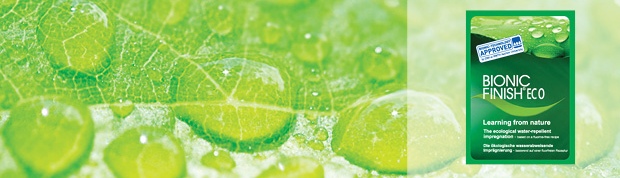
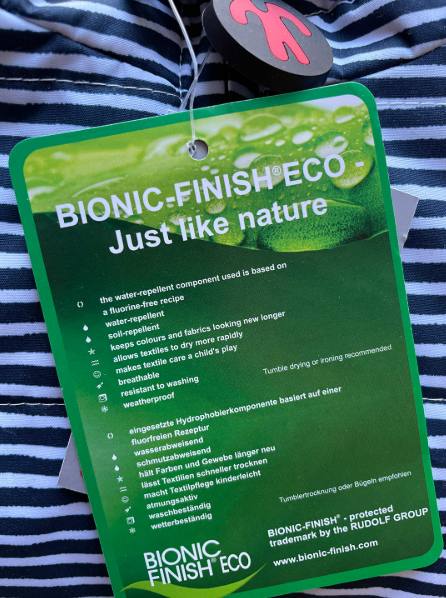
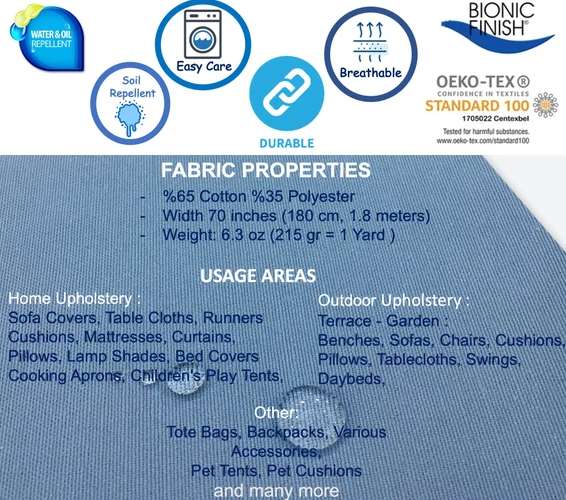
В INVIDIA TEXTILE мы сосредоточены на экологически чистых способах от сбора тканей до конца изготовления. Мы покажем вам различные книги по образцам ткани для вариантов. Мы можем настроить как ваши требования. Экологическая и бионическая отделка позволяет нам предложить высокопроизводительные текстильные изделия, которые соответствуют вашим экологическим целям.
Мы преуспеваем в производстве верхней одежды на заказ, включая пухные куртки, одетые куртки, тренжевые пальта, PU-пальта и многое другое. OEM& Услуги ODM доступны.
Что отличает продукцию INVIDIA TEXTILE?
Мы гордимся нашими нежными методами изготовления, умными ссылками на покупку ткани и строгими проверками качества. Если вы’ Создавая коллекцию капсул или увеличивая оптовые заказы, мы обеспечиваем гибкость проектирования и надежность производства, одновременно минимизируя воздействие на окружающую среду на каждом шаге пути.
Часто задаваемые вопросы
В: есть экологически чистые куртки Дороже обычных?
Ответ: Иногда они могут быть немного дороже заранее из-за этического снабжения и качественных материалов, но они часто длится дольше, что делает их экономически эффективными со временем.
В: Как правильно заботиться о устойчивой верхней одежде, чтобы она длилась дольше?
Ответ: Мойте реже холодной водой, используйте мягкие моющие средства, избегайте сушилки, когда это возможно, и ремонтируйте небольшие повреждения вместо замены всего куска.
В: Могу ли я настроить устойчивую верхнюю одежду для моего бренда?
А: Конечно! В INVIDIA TEXTILE вы можете получить высокий – качественные заказные пальта на фабрике – прямые цены - с низкими MOQs и быстрыми сроками доставки образца. Мы здесь, чтобы помочь вам согласовать свою линейку продуктов с сегодняшними экологически сознательными потребителями.
