
 +86-13634185427

Waterproof Zipper vs Storm Flap: Which Construction Is Better for Rain Jackets?


A rain jacket can leak at its front opening even when its shell fabric repels water. A waterproof zipper limits entry through the closure; a storm flap puts a protective overlap in front of it. Neither component proves that the finished garment is waterproof. Brands should choose based on the intended rain exposure, appearance, ease of use and sample results. The closure, surrounding seams and shell must be developed together.
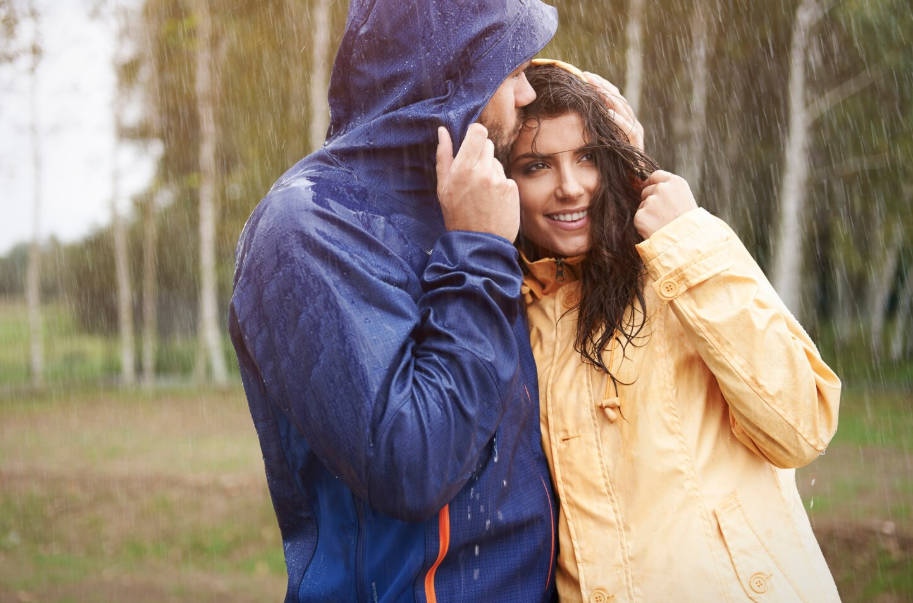
How Do Waterproof Zippers and Storm Flaps Protect a Rain Jacket?
Both methods protect the front opening, but they are differently constructed and must be treated differently. A comparison can only be made on the completed garment, not on single components.
What Makes a Waterproof Rain Jacket Zipper Different?
ya water-resistant or waterproof zip is made in such a way as to prevent water from entering the closed zip area. Be sure to check the supplier’s description, as an exposed coated zip does not necessarily mean watertight. The performance of the zip is dependent on the actual zip, the attachment of the zip to the seams, the ends and the fabric of the shell.
The exposed closure will look clean from the front of the rain jacket with less fabric covering up. Check that the closure is operating properly, is correctly aligned and is flexible enough on the prototype sample. Even though a material specification may look to be of suitable weight, etc., a stiff or difficult pull will detract from its use in everyday life.
How Does a Rain Jacket Storm Flap Cover the Closure?
A rain-jacket storm flap is a fabric panel that overlaps the front zipper and may be secured with snaps, hook-and-loop tape or other fasteners. Even with a storm flap, water can enter through inadequate overlap, gaps, unsecured edges or poorly integrated zipper ends and seams.
This adds material and an extra handling step to the garment. Check whether the wearer can open and close the flap easily and if the attached panel will stay in place when the wearer moves. Check that the upper and lower edges are sufficiently covered. The middle is not sufficient.
Which Rain Jacket Construction Performs Better in Use?
No closure is perfect. The only question is which of them best fulfills your product requirements and can be produced and worn in a practical manner.
When Can a Waterproof Zipper Suit a Lightweight Rain Jacket?
An exposed zipper can be suitable for an urban or travel-type shell with a tight silhouette. A zipper that is not covered will have less bulk in the front and can be opened by the wearer. This can benefit the design, but it does not guarantee better rain protection.
Test the outer rain jacket after it has been opened and folded repeatedly. Check the ends of the zipper, the nearby stitches and whether the collar or lining interferes with the test. Ask for the relevant care and wear tests for the component and test the assembled front opening.
When Is a Storm Flap Practical for a Rain Jacket?
A covered front can be designed as functional rainwear or as a design where the closure is the main feature. The flap covers the zipper and the fasteners hold the flap in place to close the overlap.
Zipper and seam inspection underneath the flap are needed. Test the rain jacket with the flap closed as designed. A panel that looks adequate when lying flat may perform poorly when the wearer puts their hand in, bends or carries a bag with the panel in question.
How Should Brands Choose the Rain Jacket Closure?
Begin with the expected exposure and access requirements of the garment. A light commuter shell, workwear or active outdoor product typically requires a different front construction than a casual garment.
Match Rain Jacket Closures to the Product Brief
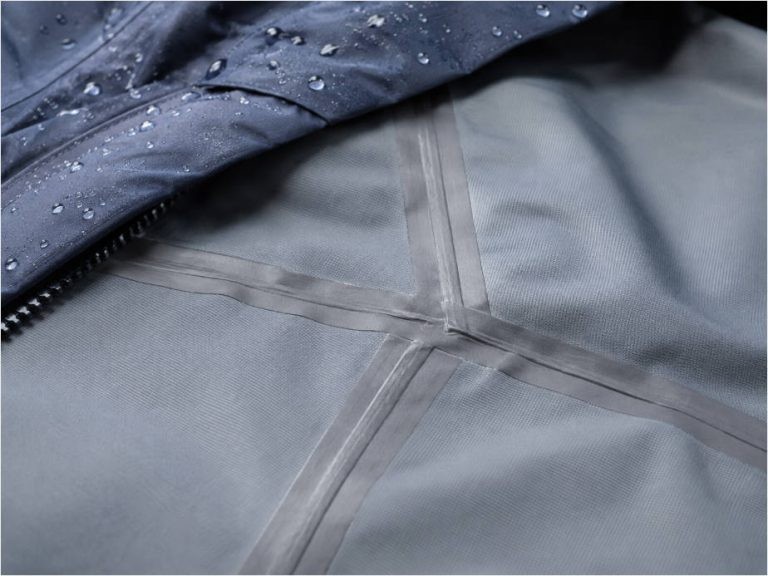
Please outline the requirements for the outer shell fabric, the front-opening design, the closure type, the seam type and any special tests required. Please show where the opening interfaces with the hood, collar and hem. Also please detail the overlap of any flaps and the location of the fastenings.
Rainwear garments are commonly constructed with a nylon outer, polyester inner and feature a removable hood. Taped seams are also incorporated throughout the garment.
A lining, hood attachment and taped joins are additional features that should be considered in relation to the front opening of a cover rather than specified as separate items.
Compare the Finished Rain Jacket Sample
Review the coverage, zip operation, stitching and movement on the finished samples. If water protection is a requirement, then agree the test method, specimen type and acceptance criteria prior to testing the individual component. A component test does not test the seams.
Compare costs using the complete bill of materials as well as the cost of the sewing involved for the zipper, flap fabric, fasteners, seam treatment and the inspection involved. Provide a revised sample if any change affects the opening of the sample. Cheaper materials may require a change in the way the sample is constructed.
What Should a Rain Jacket RFQ Specify?
The quotation request should clearly outline the construction, sampling responsibilities and approval milestones in order to allow comparison between different proposals.
List Rain Jacket Zipper, Flap and Seam Requirements
Exposed zipper, storm flap or both? Length and position on garment. Visible finish and overlap. Type of fastening used and access priorities. Shell used for opening and any seam treatment.
For a performance claim, request evidence for the relevant material and garment. Avoid using “waterproof zipper” as the sole acceptance criterion. Name the construction version that will be tested and retained as the production reference.
Agree on Rain Jacket Samples and Production Checks
Development can start with inquiry and product planning around fabrics, styles, accessories and the target market. Material procurement covers fabrics, accessories and packing materials. CAD patterns and counter or fit samples support style development; fit approval can require further sample rounds. A pre-production sample uses the final approved bulk fabric and accessories. Bulk manufacturing includes production-line inspections before delivery.
Capture all closure revisions against the approved sample. Check flap width, fastener positions, zipper alignment and surrounding seams against the reference copy. Record any component substitutions so others can see if more evaluation is required.
How Can INVIDIA TEXTILE Support Custom Rain Jacket Construction?
Katika TEXTILE ya INVIDIA, we design and develops outerwear garments through the process of inquiry, product planning, purchasing of materials and accessories, making of samples and inspection of production. We work with original designs, samples or pictures, adapting size, colors, fabrics, styles, labels and logos as needed.
Develop the Rain Jacket Closure With the Design
We offer nylon and polyester rainwear shells and linings as well as detachable hoods and fully taped seams. We can source fabrics and trim to match a customer’s product idea and market and make up CAD patterns and counter samples to check fit and style..
Please provide the closure reference and exposure requirements for this design. I need to confirm the specific zipper performance and test requirements for the proposed construction method.
Review Rain Jacket Samples Before Bulk Production
Before we start production, we prepare a pre-production sample with approved fabric, accessories, etc. At INVIDIA TEXTILE, we perform inspections on the production line before shipping the order. We discuss MOQ, delivery and payment terms with you during our inquiry instead of taking them from another order.
Use the sample for closure handling and coverage setup before authorizing production.
Maswali ya kawaida
Q: Is a Waterproof Zipper Better Than a Storm Flap for a Rain Jacket?
A: Neither an exposed zipper nor a flap is always better. An open zipper gives a better look to the front, whereas a flap gives extra protection with overlapping areas. Compare operation, construction and the water protection required and achieved with the complete garment.
Q: Can a Storm Flap Make a Rain Jacket Fully Waterproof?
A: A flap is not enough to make something waterproof. Also, the quality of the fabric, the seams, the zipper endings, the pockets, etc., has to meet a certain requirement. Only then is the total construction waterproof.
Q: What Should Buyers Check on a Rain Jacket Sample?
A: Check closure operation, flap coverage, fastening, stitching and closures at the collar and hem of the sample. Verify the sample is made up with approved production materials and record any changes that have been approved.
