
 +86-13634185427

Custom Wool Coats for Private Label Brands: A Complete Sourcing Guide


For a private-label buyer, a wool coat is more than a seasonal silhouette. Fiber composition, fabric weight, finishing, pattern balance, trims, labeling and care instructions all affect how the product is positioned and repeated. The strongest sourcing brief turns those decisions into measurable sample approvals. This guide explains how to build a range, compare construction options and manage development gates without making unsupported claims about warmth, sustainability or compliance.
What Is a Custom Wool Coat for a Private-Label Brand?
What Are the Main Types of Wool Coats Buyers Can Develop?
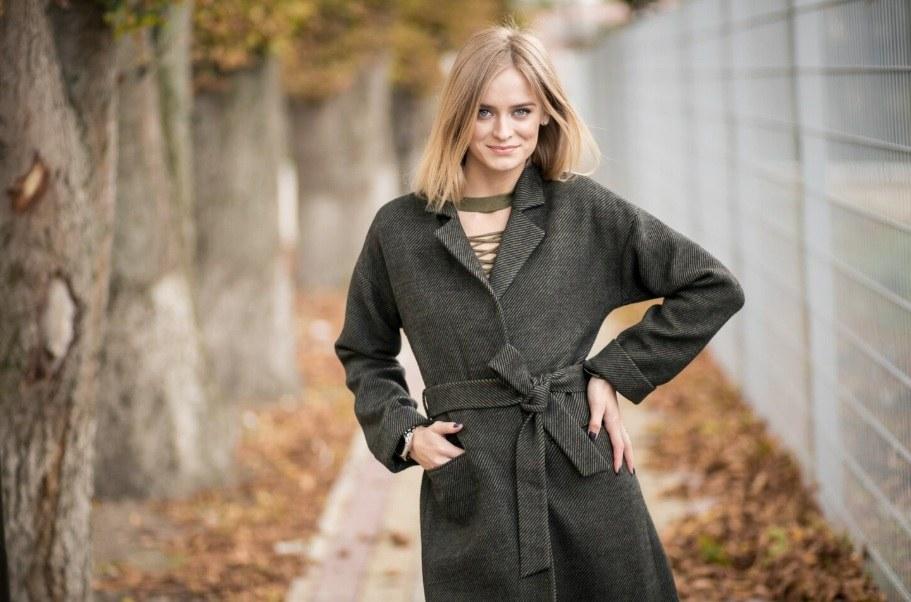
Brands can organize types of wool coats by fiber composition, weight, finish and silhouette. A range might include clean tailored lines, a long coat, a single-breasted shape or a checked wool-blend option. Wool can also be combined with complementary fibers for a defined hand or structure, but the exact percentage belongs in the approved specification. The commercial task is to choose a small group of recognizable shapes that share fit logic, trim language and labeling, making repeat development more manageable.
Why Choose a Double–Faced Wool Coat Construction?
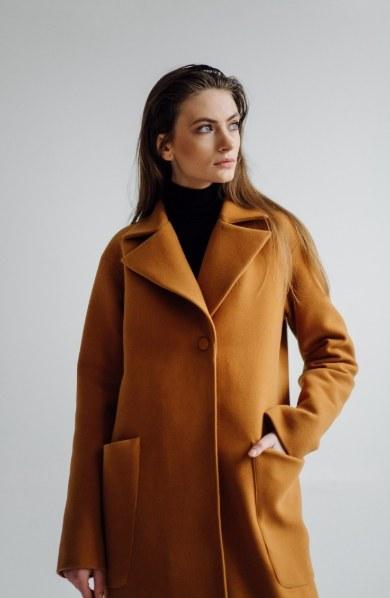
A double-faced wool coat uses a two-sided fabric concept that can create a clean appearance and a refined hand, yet the name alone does not confirm weight, finishing or seam treatment. Buyers should request fabric swatches, inspect the edges and approve the inside construction on a sample. The plural dubbelsidig ullkappaya may cover different qualities, so the tech pack should state composition, weight, color, edge finish and pressing expectations rather than relying on a style label.
Which Wool Coat Styles and Fits Should a Brand Offer?
How Should Wool Coat Women Assortments Balance Silhouette and Size?
A wool coat women range can combine a shaped single-breasted style, a longer relaxed coat and a softer oversized option. Fit blocks should be tested across the intended size grid, with shoulder balance, sleeve length, button position and room for layering reviewed at each sample gate.
Project records support customization for EU, UK and US size systems, but a brand still needs to define measurements and tolerances. A consistent block helps buyers expand colors or fabrics without restarting the fit process.
Can a Winter White Wool Coat Work as a Core or Capsule Color?
A winter white wool coat can act as a capsule statement beside dependable charcoal, camel or black options. The decision should be based on the brand’s assortment role, expected care behavior and color approval process, not an assumed sales result. Use fabric swatches or Pantone references to confirm shade and check how the color interacts with buttons, linings and labels. A small capsule test can limit inventory risk while giving the range a clear seasonal point of view.
How Should Brands Specify Eco Friendly Wool Coat Materials and Care?
What Evidence Supports an Eco Friendly Wool Coat Claim?
An eco-friendly wool coat claim needs traceable support. Ask for fiber documentation, dye information and supplier records before using environmental language in product copy. Wool is often described as renewable and biodegradable, but this project has no independent certification file to substantiate a model-specific claim. The safe sourcing practice is to separate verified composition from a future sustainability statement and to keep the claim conditional until documents are reviewed.
What Does Washing a Wool Coat Require From the Care Label?
For washing a wool coat, the documented care guidance is to use cold or lukewarm water up to 30°C, a mild wool detergent and gentle handling. Avoid wringing or twisting; remove excess water by pressing with a towel and dry the garment flat away from direct heat or sunlight. Store it in a breathable garment bag when out of season. The final label must match the tested fabric and construction, so these instructions are a starting point for approval rather than a substitute for care testing.
How Should a 100% Wool Women’s Coat for the UK Market Be Specified?
The phrase 100% wool women’s coat for the UK market should trigger a documentation check. Confirm the actual fiber percentage, measurement block, fiber declaration, care label and any market-specific labeling requirements before using the claim.
How Does a Brand Source and Validate a Custom Wool Coat?
Which Sample Gates Protect a Double–Faced Wool Coats Range?
For double-faced wool coats, approve the fabric hand, weight, color, edge finish, pattern balance and trim placement on a counter or fit sample. A pre-production sample should then use the correct bulk fabric and accessories.
The documented ODM/OEM process allows one or more fit rounds before final approval; the exact number depends on how closely the sample matches the brief. Do not release bulk cutting until the buyer signs off the agreed measurements and appearance.
How Can QC Keep a Wool Coat Program Consistent?
Quality control for a wool coat program should compare bulk fabric and color against approved references, then review measurements, pressing, seams, buttons, labels and packaging. Production-line inspections provide another checkpoint before delivery. A repeat-order file should preserve the approved fabric reference, measurement chart, trim list and correction history. This record-based approach supports consistency without inventing a defect rate or a performance guarantee.
Why Choose INVIDIA TEXTILE for Private-Label Wool Coats?
How Do We Develop Wool Coat Styles Around a Brand Brief?
We start with the concept, target market, fabric direction and style details. Our team can show fabric swatches and coordinate customization of sizes, colors, fabrics, styles, labels and logos. INVIDIA TEXTILE keeps the review focused on the buyer’s approved brief. We then move through counter or fit samples and a pre-production sample using approved materials. This gives a buyer a clear path for refining wool coat styles before bulk production.
Can We Support a Double–Faced Wool Coat Brief?
We can review a double-faced wool coat request as a specification-led development project. The buyer should provide the desired composition, weight, edge finish, fit block, color and target use. We will confirm material availability and sampling requirements before any claim is made about a finished model. Our role is to coordinate the development steps and keep approvals tied to the documented brief.
Maswali ya kawaida
Q: Are wool coats warmer than puffers?
A: Warmth depends on fabric weight, construction, layering, wind exposure and the climate. Buyers should compare tested specifications for the exact garments rather than rank every wool coat against every padded style.
Q: What is the safest washing a wool coat routine?
A: Use cold or lukewarm water up to 30°C, mild detergent and gentle handling. Do not wring or twist; press out water, dry flat away from direct heat and store the coat in a breathable garment bag. Confirm the final care label against the approved fabric.
Q: Can a supplier develop a private-label wool coat from a sketch?
A: Yes, a sketch can start the inquiry, but the process still requires fabric selection, a measurement brief, sample rounds, accessory approval and a pre-production check. We can review those inputs through the INVIDIA TEXTILE development workflow and keep the final specification clear.
