 +86-13634185427

What Is a Wool Coat and Is It Warm Enough for Winter? Materials, Benefits & Buying Guide


What is a wool coat from a B2B buyer’s perspective? It is an outerwear garment whose shell fabric contains wool, but that definition does not establish the percentage, blend, warmth, lining, construction, or care method. Those details must be written into the material and garment specification. Winter suitability depends on the complete coat: fabric weight and density, garment length, closure, wind exposure, fit, underlayers, and the conditions in which the customer will use it. This guide turns those variables into a practical buying framework.
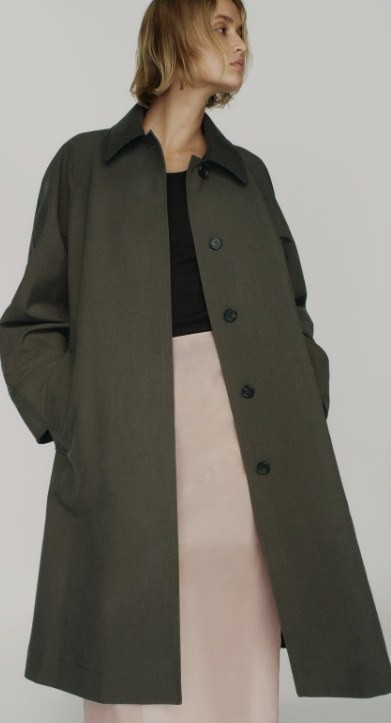
What Is a Wool Coat and How Is It Constructed?
How Do Wool-Coat Fiber Content, Construction, and Lining Define the Garment?
The question of what is a wool coat should begin with a verified composition statement. A shell may be pure wool or a wool blend, and the percentage must come from the approved material declaration rather than the fabric’s appearance or hand feel. Buyers should separately record shell composition, lining, interlining, fabric weight, thickness, weave or knit structure, color, finish, and care instructions.
A soft surface does not prove cashmere content, while a heavy fabric does not automatically guarantee better insulation.
What Does a Double-Faced Wool Coat Actually Tell You?
A double-faced wool coat uses fabric with two presentable faces and may support a clean interior with carefully finished seams or edges. The term describes construction, not a guaranteed fiber percentage or warmth level. Buyers should ask how the faces are joined, how seams are opened or bound, whether selected areas need lining, and how edges will be finished. The search phrase double sided wool coat points to the same purchasing questions, but the exact material identity still requires written documentation and sample review.
Is a Wool Coat for Winter Warm Enough?
Which Variables Make a Wool Coat for Winter Work?
A wool coat for winter can be effective when the fabric, coverage, closure, and intended layers match the market. Dense cloth can limit air movement, while a longer body, secure collar, well-fitted sleeves, and adequate overlap reduce heat loss. The customer activity level also matters: a commuter moving between heated buildings needs a different specification from someone standing outdoors for long periods. What is a wool coat suitable for winter cannot be answered with a fiber name alone; the finished sample must be judged under realistic use conditions.
Are Wool Coats Warmer Than Puffers in Every Climate?
Are wool coats warmer than puffers? Not as a general rule. A puffer uses quilted chambers to distribute down, feather, or synthetic fill, giving buyers more direct control over insulation volume. A wool design relies more heavily on fabric density, tailoring, garment coverage, closure, and layering. Either can perform poorly when wind enters around the neck, cuffs, or hem. Buyers should compare complete specifications and finished samples for the intended climate rather than using category reputation as a temperature promise.
Which Wool Coat Materials, Styles, and Colors Fit a Commercial Range?
How Should Buyers Compare Lined and Double-Faced Wool Coat Options?
A conventional lined style can hide internal construction and help sleeves move over knitwear, while a double-faced wool coat can create a cleaner, lighter-looking interior. Neither route is automatically more premium. Fabric thickness, edge behavior, seam finishing, pocket construction, internal support, garment weight, and care requirements all affect the result. A double-faced sample should be inspected from both sides, especially at corners, button areas, pockets, vents, and intersections where bulky or uneven finishing becomes visible.

Can Pink Wool Coats and Plus-Size Australian Styles Share One Brief?
A pink wool coat can be part of a commercial color story, but the brief should define the exact shade, surface character, lining, trims, thread, and permitted lot variation. Planning plus-size wool coats for the Australian market requires equally specific work: target measurements, grade rules, layering allowance, body and sleeve length, shoulder treatment, channel, and regional season. These two needs can share material and styling language, but color approval and inclusive fit validation require separate sample decisions. No local demand or current-stock claim should be inferred from the keyword.
How Should Buyers Check Wool Coat Care, Fit, and Performance Evidence?
Which Care Instructions Protect Wool Coat Quality?
Wool-care guidance favors gentle handling. Where the approved care instruction permits washing, use cool or lukewarm water, a mild wool detergent, and minimal mechanical force. Do not wring or twist a wet coat; remove excess water carefully and dry the garment flat away from direct heat or sunlight. Hanging a wet wool garment can distort the shoulders. The final care label must follow the tested fabric, trims, construction, and finished garment rather than a generic rule copied from another style.
How Do Wool Coat Fit and Test Evidence Change the Buying Decision?
Fit and fabric cannot be approved independently. Heavier cloth may require different ease, seam allowance, internal support, and closure placement from a lighter material. Buyers should define the base size, grade rules, shoulder shape, length, intended underlayer, and movement requirements before sampling. Evidence should also address pilling, dimensional change, color behavior, seam appearance, trim performance, and the proposed care method. These checks provide a stronger answer to what a wool coat is worth buying than an unsupported claim about softness or luxury.

How Can INVIDIA TEXTILE Develop a Custom Wool-Coat Range?
Which Wool-Coat Details Can We Customize?
At INVIDIA TEXTILE, we can develop sizes, colors, fabrics, styles, labels, and logos around a defined buyer brief. Our wool coat / sweater direction supports fabric-led products, while padded long-coat options provide a separate route when the brief prioritizes controlled insulation and quilted construction. We do not treat a category name as proof of composition, temperature performance, or cashmere content. For INVIDIA TEXTILE, what is a wool coat ultimately depends on the material specification and approved sample.
How Do We Move from Fabric Direction to Approved Samples?
INVIDIA TEXTILE starts with the target market, fabric direction, silhouette, fit, accessories, labels, and required evidence. We source relevant materials and prepare counter or fit samples so the buyer can review proportion, construction, and hand feel. Revisions can be completed before the pre-production sample uses the approved fabric and accessories. Our team then follows the agreed production and inspection requirements.
This process works for a wool coat for winter, a double-faced design, or a padded alternative because each route remains tied to its own approved specification.
FAQ
Q: What Is a Wool Coat Made Of?
A: The shell contains wool, either as the full fiber content or as part of a blend. The exact percentage, companion fibers, lining, interlining, fabric weight, and construction should appear in the approved specification. Appearance, softness, or price cannot verify composition.
Q: Are Wool Coats Warmer Than Puffers?
A: Not always. Warmth depends on fabric density, fill type and amount, wind protection, garment length, closure, fit, activity, and layering. Compare finished samples and verified specifications under the target climate rather than selecting by category name.
Q: Does Double-Sided Wool Mean the Coat Is Warmer?
A: No. Double-sided describes how the fabric presents and how the garment can be finished. Warmth still depends on fiber composition, fabric weight and density, coverage, closure, wind exposure, and the clothing worn underneath.
