
 +86-13634185427

PU vs PVC Raincoat Material: Which Is Better for Waterproof Protection?


PU vs PVC Raincoat Material: What Sets Them Apart?
What are the main types of raincoat material used for waterproof clothing?
When individuals evaluate the types of raincoat material utilized in waterproof garments, they typically consider PU, PVC, coated polyester, coated nylon, and EVA-based alternatives. These raincoat material types are widely favored. They effectively balance water resistance, overall weight, affordability, and daily wearability in unique ways.
PU and PVC are frequently compared side by side. Both serve as well-established waterproof materials for rainwear, ponchos, and outer layers. Meanwhile, consumers must recognize that the underlying fabric base holds significant importance. A nylon or polyester shell can profoundly impact the garment’s feel, packability, and durability even before applying any coating.
How is PU raincoat material made and used?
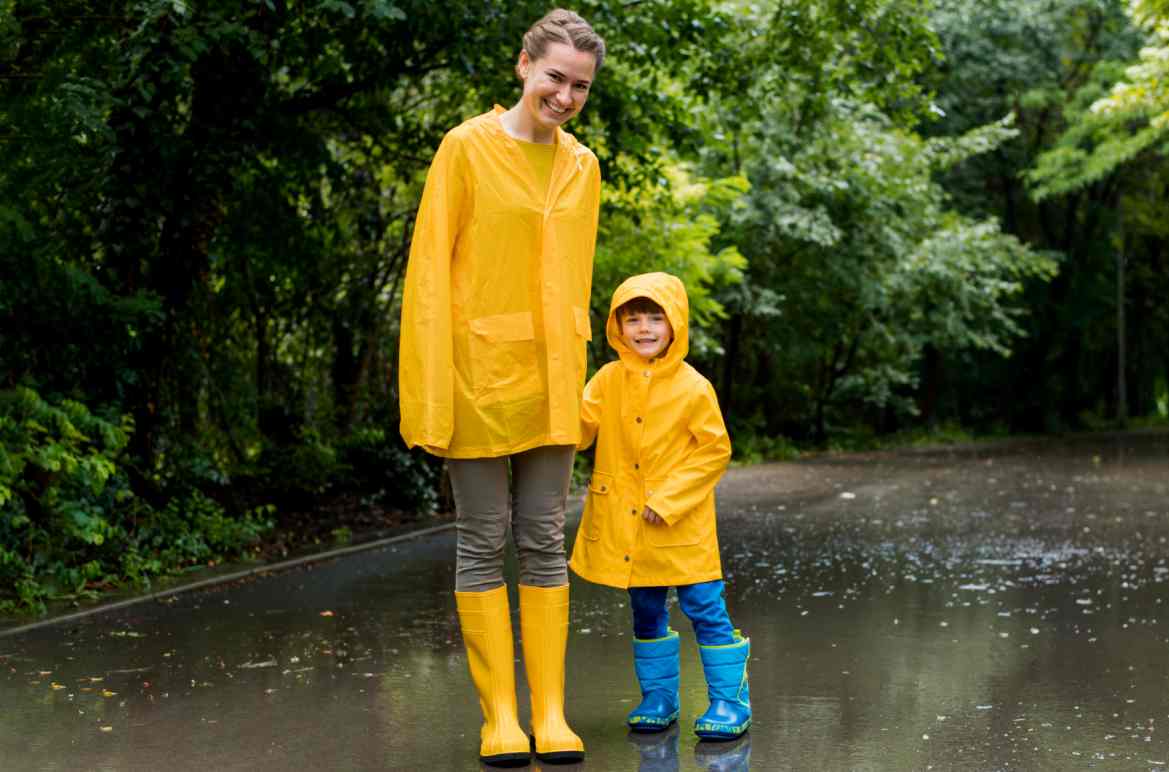
PU raincoat material generally merges a textile base with a polyurethane coating or a laminated layer. In everyday terms, this construction allows producers to craft a garment that feels notably softer and far more flexible than many stiff waterproof substitutes. PU is commonly selected for daily commuting jackets, travel rainwear, and easily foldable designs. These items need to fit conveniently inside a bag without turning excessively bulky.
This supple characteristic serves as a primary reason many buyers view PU as a strong contender for the best material for raincoat applications in urban environments or relaxed outdoor settings. It generally promotes effortless movement, superior drape, and reduced rigidity throughout extended periods of wear. When the base fabric consists of nylon or polyester, the ultimate tactile experience can vary even more. Therefore, the core issue involves not merely PU vs PVC, but also how the manufacturer constructs the entire garment.
How is PVC raincoat material made and used?
PVC raincoat material utilizes polyvinyl chloride as its primary waterproof barrier. This barrier is either applied over a textile backing or molded into sheet-style waterproof items. It is broadly recognized for providing a sturdier, highly shield-like structure. That distinctly structured feel proves highly beneficial for ponchos, heavy-duty industrial rainwear, and clothing designed for continuous wet exposure.
In comparison to PU, PVC frequently feels substantially heavier and noticeably more rigid. That characteristic can serve as a distinct advantage when the user requires an exceptionally robust surface barrier and readily accepts diminished softness. In numerous demanding usage scenarios, PVC continues to be a highly practical choice. In these situations, the primary goal is direct water blockage rather than convenient, lightweight packability.
Which Material Performs Better in Waterproof Protection?
Is PU or PVC more waterproof for raincoat use?
Both PU and PVC possess the capability to supply highly dependable waterproof performance when they are correctly manufactured. In practical applications, PVC is frequently linked with formidable resistance against water penetration, particularly during continuous, heavy rain. PU can also function exceptionally well. However, it is more commonly chosen when apparel brands aim to merge effective waterproofing with a significantly lighter garment structure.
How do PU and PVC compare in breathability and comfort?
Regarding overall comfort, PU typically holds a distinct advantage. It generally feels significantly softer, flexes much more naturally, and generates a noticeably less restrictive wearing experience. That specific factor proves crucial for daily commuters, active cyclists, and anyone utilizing rainwear for extended durations.
PVC typically exhibits minimal breathability. Consequently, it can feel uncomfortably warm inside the garment, particularly during humid weather conditions. For brief, intense rain exposure, this limitation might be perfectly acceptable. However, for routine walking or frequent on-and-off usage, physical comfort becomes equally as vital as the water resistance itself.
What happens in cold weather, humid weather, and repeated folding?
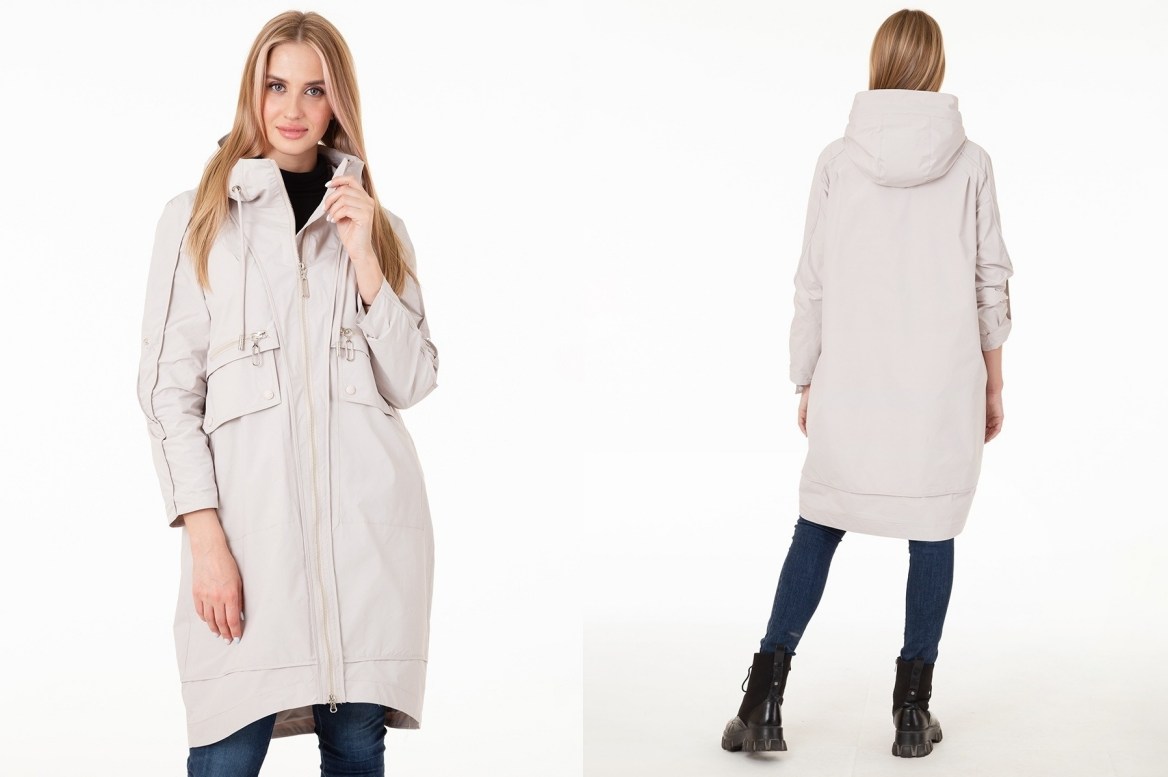
PU generally manages folding and packing much better because it maintains its relative flexibility. That specific trait makes it highly appropriate for packable rainwear stored conveniently in backpacks, office desk drawers, or bicycle baskets. PVC might become noticeably stiffer in colder environments, depending entirely on its thickness and specific chemical formulation. Consequently, the wearer might experience decreased comfort when bending or compactly folding the garment.
In highly humid surroundings, both materials greatly benefit from proper drying procedures and appropriate storage. Continuous folding, storing the garment while damp, and trapped internal moisture can steadily degrade the surface appearance or significantly shorten the coating’s lifespan. If convenient portability represents your primary requirement, PU typically fulfills that specific need far more naturally.
PU vs PVC Raincoat Material in Daily Use
Which material lasts longer with regular wear?
Overall durability relies heavily on the complete product design. This includes the coating quality, the underlying fabric backing, the seam construction, the material thickness, and routine care practices. PVC can prove exceptionally reliable in harsh wet conditions due to its formidable barrier structure. PU can likewise deliver a highly dependable service life, particularly for daily commuting and lightweight portable rainwear.
What should buyers check before choosing among types of raincoat material?
Waterproof construction details
Purchasers must carefully examine the sealed seams, the zipper protection mechanisms, the hood shape, the cuff adjustments, and the closure overlaps. A raincoat specifically engineered for heavy downpours must adequately protect all entry points. It cannot merely depend on a coated exterior shell.
Feel and mobility
Physically touch the fabric whenever possible. The material’s softness, its natural drape, and its overall weight directly influence how frequently a raincoat is actually worn. PU frequently performs exceptionally well for regular daily movement. PVC can be the superior choice when a highly robust barrier represents the most critical factor.
This concept also relates directly to base fabric inquiries like nylon raincoat vs polyester raincoat. Nylon frequently feels noticeably smoother and can be significantly lighter. Conversely, polyester is broadly appreciated for its excellent shape stability and highly practical everyday utility. The optimal choice depends entirely on whether the user prioritizes surface softness, rapid drying behavior, or overall affordability.
Maintenance and storage
Always carefully review the provided cleaning instructions. Thoroughly dry the garment before placing it into storage. Avoid tightly crushing the coated surfaces for extended durations. Proper maintenance significantly helps to minimize surface cracking, material sticking, or premature coating wear.
Which material suits different wearing scenarios?
PU generally suits urban commuters, casual outdoor enthusiasts, active cyclists, and frequent travelers who desire a highly foldable shell. PVC typically suits protective ponchos, extended heavy-rain exposure, and demanding rugged waterproof applications where material flexibility matters significantly less.
The visual style and applied print can also strongly impact purchasing decisions. A fun, playful product trend like a magic print rain jacket might prioritize visual appearance and lightweight daily usage. Meanwhile, heavy-duty industrial waterproof gear strictly prioritizes maximum barrier strength above all else.
Where Can Buyers Source Rainwear Materials and Finished Products?
What should a reliable rainwear supplier provide?
A highly trustworthy supplier must clearly detail the exact material composition, the specific waterproof construction, the material thickness, the available finish options, and the most suitable applications. Purchasers also gain substantial value from practical advice regarding product customization, accurate target-market alignment, and relevant testing standards.
Dependable sourcing is firmly backed by strict process control, rather than relying merely on promotional marketing. Quality is non–negotiable at INVIDIA TEXTILE. Ten professional quality assurance (QA) staff conduct meticulous, one–by–one inspections of final products. Robust communication and highly transparent specifications greatly minimize costly errors when selecting among various raincoat material types.
A brief look at INVIDIA TEXTILE products
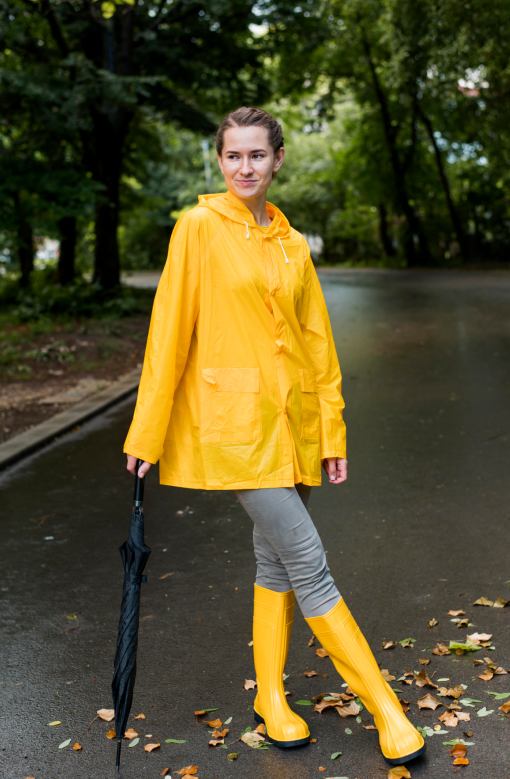
At INVIDIA TEXTILE, we actively assist buyers who require quality rainwear and related outerwear featuring highly flexible customization options. OEM & ODM services are available. Our dedicated rainwear-related product focus also perfectly aligns with crucial product details.
When our clients request custom development, we also concentrate heavily on rapid design speed and precise material selection. For standard designs, we can provide samples within 5-7 days. Every season, we introduce 30-50 new fabric samples, all delivered to you free of charge.
FAQ
Q: Is PU better than PVC for a raincoat?
A: PU is frequently favored for enhanced comfort, superior flexibility, and much easier everyday wearability. PVC is commonly selected when the wearer requires a substantially stronger, barrier-style shield during continuous, heavy rain. The optimal choice depends entirely on whether daily comfort or highly rigid waterproof protection holds greater importance.
Q: What is the best choice among types of raincoat material for heavy rain?
A: For intense, heavy rain, numerous buyers gravitate toward PVC due to its stellar reputation for formidable water resistance. Nevertheless, the most accurate answer relies heavily on the overall construction quality. Properly sealed seams, adequate hood coverage, and secure closure designs are absolutely essential. This remains true regardless of whether the exterior shell utilizes PU, PVC, coated nylon, or coated polyester.
Q: Are PU raincoats more durable than PVC raincoats?
A: Not necessarily. Actual durability depends significantly on the specific chemical formulation, the material thickness, the underlying backing fabric, the precise seam construction, and routine care. A meticulously crafted PU raincoat can endure exceptionally well. Similarly, a well-constructed PVC raincoat can also deliver highly durable, long-lasting waterproof utility.
