
 +86-13634185427

How to Reapply DWR to Your Outdoor Jacket for Maximum Protection


What Is DWR and Why Does It Matter for Your Outdoor Jacket?
Durable Water Repellent (DWR) is a key feature. It decides how well your outdoor jacket handles rainy weather. Knowing the durable water repellent meaning lets you see why keeping it up ensures solid protection and ease during outdoor trips.
How Durable Water Repellent Works
DWR is a special chemical layer put on fabric to push away water. It makes rain or snow form drops and slide off. This keeps the outside layer dry. The tech matters a lot for softshell fabrics and hardshell fabrics. These materials aim to mix air flow and water blocking. The DWR water resistance lets moisture vapor get out. At the same time, it stops water from coming in. This avoids that sticky feel inside your jacket. When you look at technical shells vs. regular waterproof jackets, tech shells usually have better DWR layers. They offer stronger results and last longer.
Signs That Your Jacket’s DWR Needs Reapplication
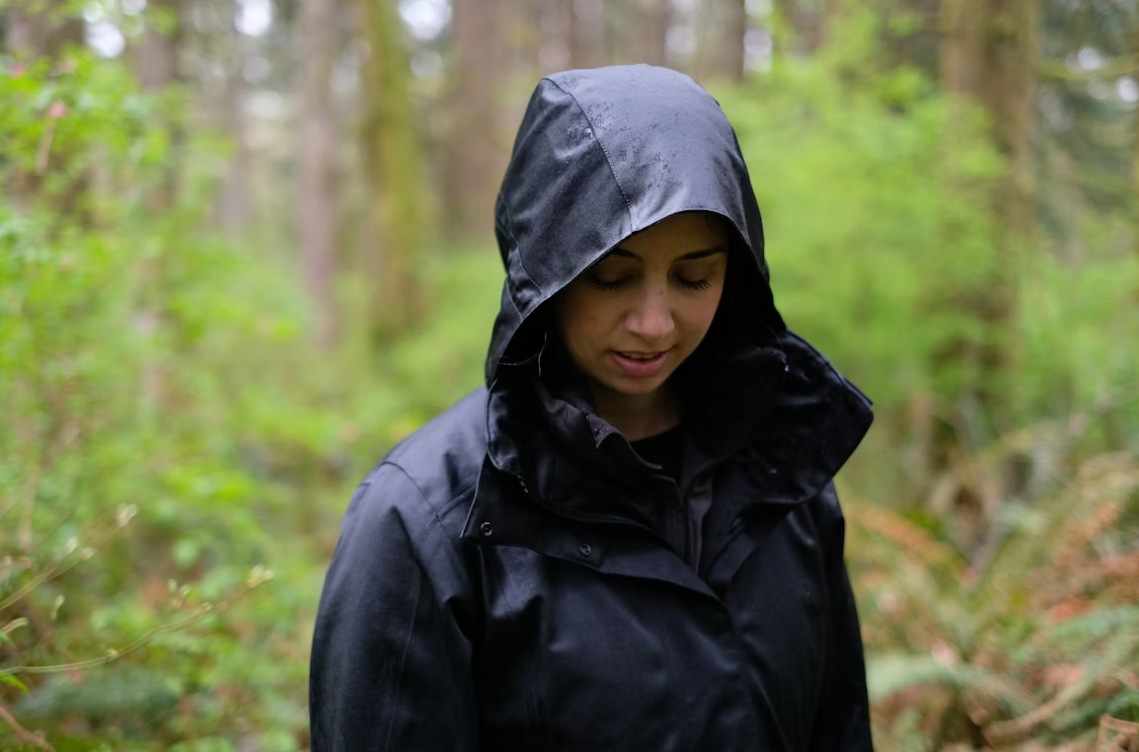
If your jacket stops forming water beads on the outside, you need to reapply. Other clues show up too. The outer part might feel wet or heavy after a light shower. You could also notice less heat in your winter jacket during outdoor tasks. These hints mean the DWR has faded. Moisture can now seep into the cloth.
Preparing Your Outdoor Jacket Before Reapplying DWR
Good prep makes sure the new layer sticks well. It brings back your jacket’s full water-blocking power.
Why Cleaning Is Essential Before Treatment
You must clean before adding a fresh DWR layer. Grime, skin oils, and soap leftovers clog the fabric holes. This cuts down on how well new layers work. Washing with a soap made just for tech outerwear fixes the cloth’s ability to link with the new stuff. This matters a bunch for water-reactive fabric or items with water-reactive print. Leftovers can mess with colors and surface quality.
How to Dry Your Jacket Correctly Before Application
After you wash, let it air-dry until it’s a bit damp. Stay away from direct sun or hot spots. They might harm soft fibers like nylon or polyester in outdoor items. Check the care tags every time. This is true for things like a perfect outdoor coat for working,traveling, hiking, daily life, or a festival. Make sure drying ways fit what the maker says.
Which Application Method Should You Choose? (Spray-On vs Wash-In)
Spray-On Treatments
Spray-on DWRs work best for jackets with mixed parts. Think mesh insides or stretch areas. They let you focus on spots that rub a lot. These include shoulders and arms. Friction wears down layers more quickly there.
Wash-In Treatments
Wash-in kinds give even coverage over the whole piece. They suit full water-block shells that need total refresh. It’s easy when you treat several items together.
Step-by-Step Guide to Applying DWR at Home
- Start by cleaning your jacket thoroughly using a technical detergent.
- Put on the treatment in an even way. Follow the product rules. Do not soak it too much.
- Turn it on with soft heat. Use low tumble dry or iron with a cloth cover. This helps the tiny parts bond tightly between threads and water-push agents.
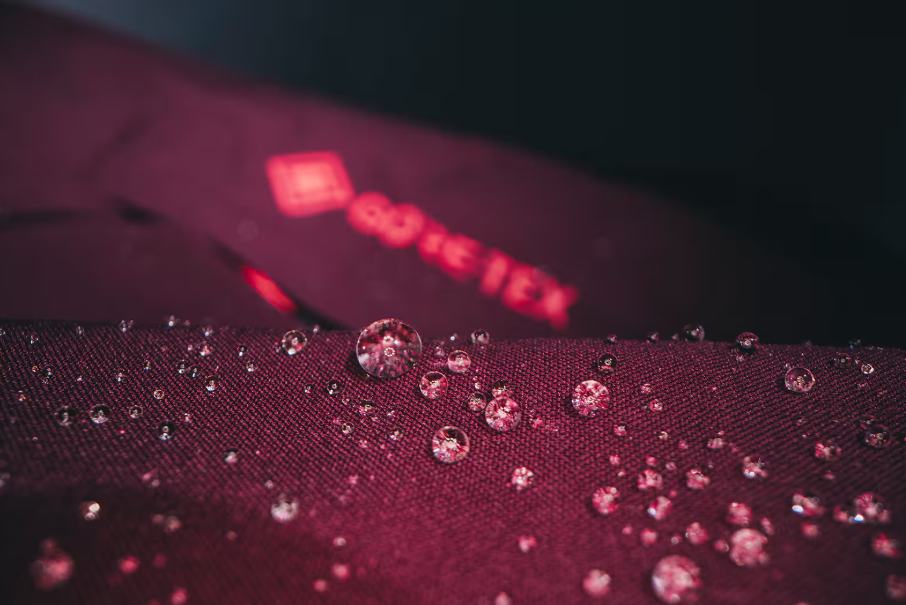
- Test it by adding water drops. They should form beads right away if you did it well.
How Often Should You Reapply DWR to Maintain Performance?
How often you reapply depends on wear frequency. It also ties to how much weather it faces.
Factors That Affect Longevity of DWR Coatings
Regular use outside in mud or salt speeds up the fade. Things like walking trails, snow sports, or carrying packs rub the cloth hard. This breaks down layers quicker. The strength of past layers plays a role, too. Top-quality ones hold up better before you need to fix them.
Simple Tests to Check if It’s Time for Reapplication
Do a fast check by adding water to the outside. If it soaks in quickly instead of making beads, reapply soon. Watch how drops act in light rain. If they spread out rather than roll away smoothly, your DWR has lost power. It may not stay waterproof all day in ongoing wet weather.
Caring for Your Outdoor Jacket After Reproofing: What Should You Avoid?
Smart care after treatment keeps your gear working longer.
Common Mistakes That Reduce DWR Effectiveness
Skip strong soaps or bleach. They strip off guard layers. Do not iron straight at high heat without a cloth shield. It can soften fake fibers. Keeping jackets wet while stored leads to mold. That weakens layers as time goes on.
Best Practices for Long-Term Maintenance of Waterproof Gear
Rinse now and then between full washes. This clears the top dirt without too much cleaning. Keep them in cool, dry spots. Stay far from the sun or warmers that break down the plastic bits in water, push layers. These ways keep the water block and look strong on your best outdoor jacket.
INVIDIA TEXTILE: Enhancing Outdoor Protection Through Innovation
At INVIDIA TEXTILE, we can customize down/puffy jacket ,trench coat/blazers, and wool coat/sweaters for you. We focus on strong performance clothes. We build them for toughness and water push. We use green finish methods. These include nature-like layers that boost push-back. They do this without hurting the air flow.
Advanced Fabric Technology by INVIDIA TEXTILE
For 15 years, INVIDIA TEXTILE has led as an OEM clothing partner. Our stuff blends new layer tech. We test it under tough rules. This includes water push strength over 4000 units many times. It makes sure it holds in bad weather. We use smooth join methods. They better local water block while keeping bend. This sets it apart from old stitch joins versus new joined styles in tech outerwear.
Products Designed for Outdoor Enthusiasts
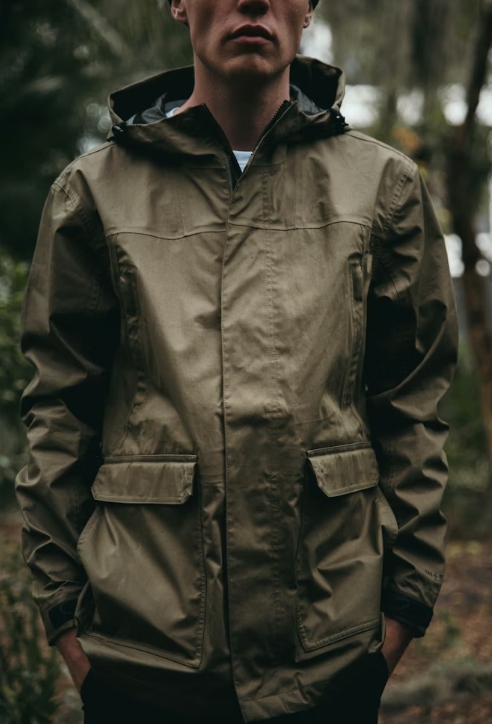
Our jackets mix looks with real use. We make them from air-flow yet wind-block cloths. They fit trail walks or town rides the same. Each one shows our promise to fine work. We back it with hard tests.
FAQ
Q1: Can I use regular detergent when washing my outdoor jacket before applying DWR?
A: Regular detergents leave residues that interfere with waterproof coatings. Always use cleaners formulated specifically for technical outerwear fabrics.
Q2: How long does a typical DWR treatment last?
A: Depending on usage intensity and exposure conditions, most treatments last several months before needing renewal—especially after frequent washing or abrasion-heavy activities.
Q3: Is heat activation necessary after applying DWR?
A: Yes, gentle heat helps bond repellent molecules firmly onto fibers enhancing long-term durability and ensuring consistent performance even under continuous moisture contact typical of demanding environments like mountain treks wearing an outdoor research rain jacket type garment equipped with advanced repellency systems.
