
 +86-13634185427

Which Jacket Fabric Dominates in Waterproof Performance?


What Makes a Fabric Truly Waterproof?
How Does Waterproofing Work in Jacket Fabrics?
Waterproof fabrics are designed to fight off water entry even when pressure pushes against them. In contrast, water-resistant materials just push away mild dampness. The key difference comes from the makeup and handling of the cloth. Inside waterproof jackets, special layers or films build a solid wall that stops liquid water from getting in. Yet, they let water vapor slip out. This mix is vital for ease during movement.
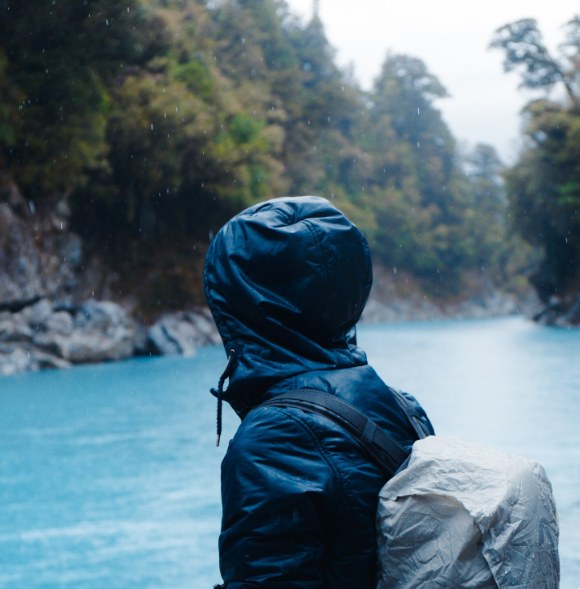
Builders often add a polyurethane (PU) or polytetrafluoroethylene (PTFE) film. It makes tiny openings that are smaller than water drops but bigger than vapor bits. Such a setup gives good airflow without weakening the water block. Experts measure how well these work with hydrostatic head scores, shown in millimeters (mm). A bigger score means a stronger hold against water force. For example, 10,000mm shows the cloth can handle a 10-meter water tower before any leak starts.
What Are the Key Factors That Affect Waterproof Efficiency?
The strength of a waterproof jacket relies on its build and final touches. Taping seams together with stretchy bands for tweaking the fit at hems or wrists is a clever method. It keeps clothes lighter and easier to wear. These taped seams stop water from sneaking through needle marks. Such spots often turn into weak links in unsealed clothes.
Long-lasting quality matters a lot, too. As time goes by, cleaning, rubbing, and sun rays can wear down layers or films. This cuts their power to keep water out. Fresh proofing fixes help bring back the strength when the durable water repellent (DWR) cover fades. Knowing durable water repellent meaning and what DWR waterproofing is lets buyers keep their shield strong.
Airflow needs to pair well with the water block. If sweat gets stuck inside, it leads to unease even when the outside is dry. Smart plans add underarm vents or net inner layers to boost air movement. All this keeps the guard up.
Comparing Common Waterproof Fabrics
Which Jacket Fabric Performs Better in Wet Conditions?
Man-made threads like polyester and nylon are used in waterproof outer gear. They offer toughness, low weight, and fast dry times. Polyester mixes often go into Softshell fabrics for bendiness and a nice feel in steady rain. Meanwhile, Hardshell fabrics focus on total shield for tough weather spots.
PU layers bring low cost and bend, but might cut air passage a bit more than tiny-hole PTFE films in top gear. Picking one over the other hinges on the plan—city rides or peak climbs call for varied mixes of ease and guard.
Two-layer cloth includes an outside layer and a water-block air-pass film stuck with heat. This setup gives both strength and warmth choices when linked with net inners or stuff like fake down. For one thing, polyester fake down stuff pulls sweat away and gives great warmth in damp air.
How Do Multi-Layered Constructions Enhance Protection?
Built-up layers shape how waterproof cloths handle various settings:
- 2-layer systemsstick an outer cover with a film, but need an inside layer for a nice touch.
- 5-layer systemsput on a slim guard print layer—often with water-reactive print looks—that trims weight. At the same time, it stops skin from touching the film.
- 3-layer systemsblend all parts into one full piece for top strength and the least thickness.
Three-layer taped rain coats were made to fix the rough feel of two-layer taped rain coats on the skin. These setups suit peak climbing or long outside time. There, folks want a sure gear that stays waterproof all day. City riders might pick slimmer two-layer picks for bend without losing looks.
Performance Metrics for Waterproof Jackets
What Is a Good Waterproof Rating for Everyday Use?
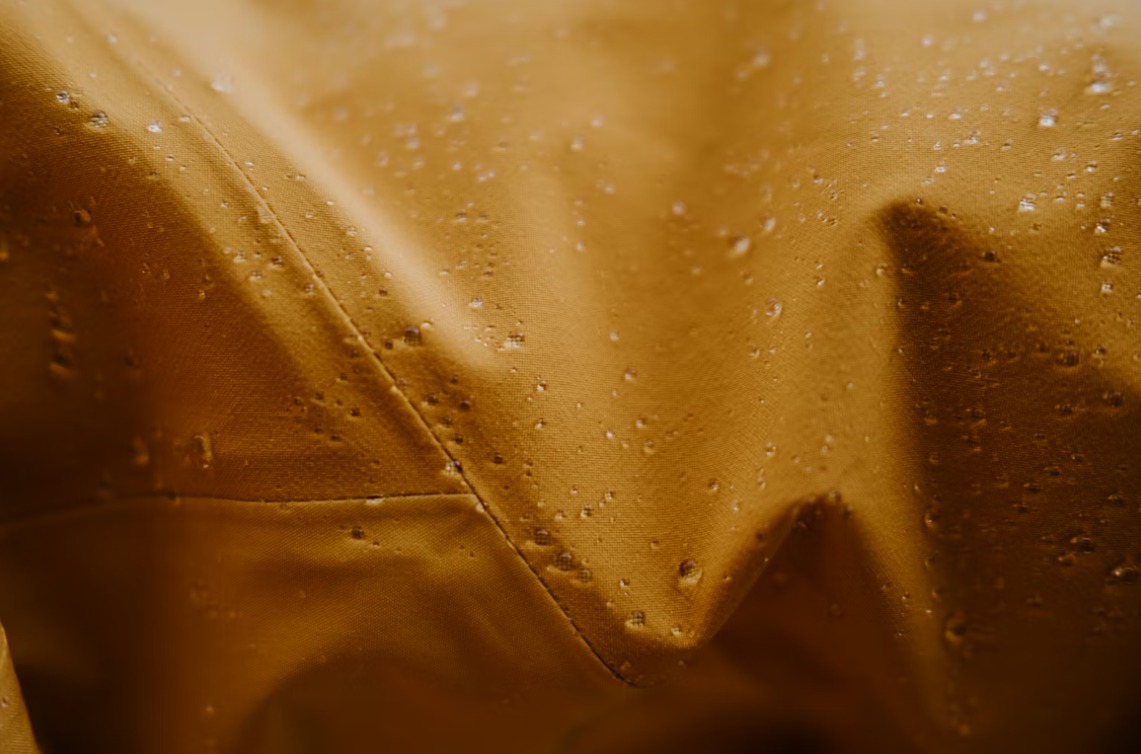
Hydrostatic head scores help shoppers find the right guard levels:
- 5,000mm–10,000mm:enough for town trips or soft rains.
- 10,000mm–15,000mm:fits walks or steady showers.
- 20,000mm+: needed for big rains or snow play with long wet time.
Still, true use depends on coat build—tape quality on seams, DWR care, and fit all shape how long the guard holds under push.
How Does Breathability Impact Comfort During Activity?
Air passage is gauged by the Moisture Vapor Transmission Rate (MVTR). It shows how much vapor moves through cloth in a set time. Bigger MVTR numbers mean a nicer feel during work, but can mean less top water hold. Well-closed coats might turn sticky if air aids are lacking.
Matching these parts brings user ease in varied weather—from muggy summer wet to chill peak spots needing warm winter jacket setups under tech shells. Grasping technical shell vs regular waterproof jacket differences aids in picking tuned to the task, push and place.
Maintenance and Longevity of Waterproof Fabrics
How Can You Extend the Life of a Waterproof Jacket?
Right care keeps layer strength and seam stick sound. Cleaning with soft soaps clears grime that blocks holes. It does so without pulling off DWR tops. From time to time, fresh proof with sprays or wash adds brings back outer push key for holding dwr water resistance. How you store counts too—keep pieces dry and not squished to dodge split or mold that hurts long use.
INVIDIA TEXTILE: Innovation in Waterproof Fabric Technology
What Sets INVIDIA TEXTILE Apart in Fabric Development?
At INVIDIA TEXTILE, we focus on crafting forward water-block stuff fit for today’s action wants. Over 15 years, INVIDIA TEXTILE has led as an OEM clothing ally. Our skills span custom down/puffy jackets, trench coats/blazers, and quilted/padded jackets—all shaped via our OEM & ODM help.
For the clothes and add-ons in our seam-taped wear, we run full water push and color hold checks on arrival. Each test piece faces many rounds under at least 4000 units of force. Then, it goes through wash tests again to check steady water hold even after long wear.
Our no-seam weld tech uses rubber bands at coat joins with sound waves to boost spot water guard—a key trait that sets our outside wear apart from usual make ways. With green source ties and exact craft guides, we bring solid shield without cutting style or green duty.
FAQ
Q: What Is the Difference Between Water-Resistant and Waterproof Jackets?
A: Water-resistant jackets push back light rain with outer fixes, but might soak in under big wet. Waterproof jackets use taped seams and films to stop water fully.
Q: Can a Jacket Lose Its Waterproof Ability Over Time?
A: Yes. Grime pile, rub, or worn layers can drop strength. Steady, clean, and fresh proof bring back water, push well.
Q: How Do I Choose the Right Waterproof Fabric for My Needs?
A: Think about your task kind—daily town rides or hill walks—plus weather, air needs, weight choice, and bend want when picking between softshells or hardshells built with forward film tech.
