
 +86-13634185427

Trench Coat vs Raincoat: Which One Is Better for Rain?


When a brand plans rainwear, the trench coat vs raincoat decision is not solved by the garment name alone. A trench coat may carry a tailored silhouette and layering role, while a raincoat brief may emphasize weather protection and movement. In both cases, the shell, lining, closures, seams, fit, and tested fabric claims determine what the customer receives. This guide turns the comparison into a B2B sourcing brief.

Trench Coat vs Raincoat: What Is the Core Difference?
Weather Protection and Construction: What Should Buyers Verify?
The first question in a trench coat vs raincoat review is what the construction is designed to do. A style name does not automatically prove waterproof performance. Buyers should verify the exact outer fabric, finishing, closure design, hood or collar approach, seam execution, and any documented testing for the intended use. A product described as water-resistant or windproof should be matched to the specific material and construction approved for the order.
This protects a brand from making a broad promise based only on appearance. A tailored trench may suit commuting and city layering, while a simpler raincoat may suit packability or frequent wet-weather use. The decision comes from the brief and sample, not a universal ranking.
Fabric, Lining and Layering for a Rainwear Range
Fabric and lining influence hand feel, drape, comfort, and layering. A verified women’s cotton trench uses a 100% cotton shell with a 100% polyester lining. Other records use a 100% nylon shell with a polyester lining and describe selected fabrics as breathable, water-resistant, or windproof.
In a trench coat vs raincoat comparison, write shell, lining, finish, fit, and intended layer into one specification. This allows a fair comparison without implying that one fabric family is always best.
Which Trench Coat Length and Fit Work Best in Rain?
Mid–Length Trench Coat: The Coverage-to-Mobility Balance
A mid-length trench coat can give a range a recognizable proportion while leaving room to walk, sit, and layer. Specify finished length by size, ease over the base layer, sleeve movement, and hem behavior. A longer hem may provide more coverage but can change movement and weight; sample review should settle the trade-off.
The project supports customized size, color, fabric, and style choices, so a brand can develop a mid-length block around its own customer profile. It should still avoid presenting the silhouette as universally better for rain; the shell and construction remain decisive.
Mini Trench Coats for Women and Petite-Friendly Trench Coat Proportions
A mini trench coat range for women can serve customers who prefer a shorter, fashion-led proportion or who need a compact layer for lighter coverage. A petite-friendly trench coat requires careful grading of shoulder, sleeve, pocket, belt, and hem relationships rather than simply shortening one base size. The project records verify custom sizing and styling, but they do not establish a tested petite block, so the proportion must be confirmed through samples.
For rainwear, shorter silhouettes need a clear use case. Buyers should define exposure, base garments, and closure requirements before making a performance statement.
Relaxed Trench Coat for Women: Layering and Movement
A relaxed trench coat for women creates more ease for knitwear, workwear, or active commuting layers. The brief should specify where the volume is added, how the shoulder and sleeve are balanced, and whether the belt or closure is intended to shape the body. A relaxed fit can improve movement, but excess volume may change drape and wind behavior, so a sample is essential.
Brands can use verified customization of sizes, fabrics, colors, and styles to build a relaxed block. “Relaxed” should describe the intended fit, not replace a measurable specification.
Why Is the Cary Grant Trench Coat Still a Style Reference?
Classic Styling Cues vs Functional Rainwear Specifications
The phrase cary grant trench coat works as a style-search reference for a recognizable shoulder line, controlled silhouette, belt treatment, and considered details. Those cues are separate from measurable rainwear requirements, so suppliers should still verify fabric finish, closures, seams, lining, and fit.
No historical, film, endorsement, or ownership claim is needed. In a trench coat vs raincoat brief, the reference guides the look while approved specifications guide the product promise.

Adapting a Recognizable Silhouette for Modern Rainwear
Modern development can keep a familiar trench outline while updating shell fabric, lining, color, length, and ease. A cotton-led version may prioritize hand feel; a nylon or polyester option may suit a different weather and care brief. The goal is a current, measurable product.
Project records support customization of size, color, fabric, style, labels, and logos. Those fields let a brand adapt a recognizable trench coat identity to its own market without confusing style references with verified performance data.
How Should Brands Source a Trench Coat or Raincoat?
Cotton-Canvas Trench Coat Facts to Put in the Brief
For a cotton trench coat option, state the verified 100% cotton shell and 100% polyester lining, then add the size market, color or Pantone reference, hand feel, silhouette, labels, and logos. Selected descriptions include breathable, water-resistant, and windproof language, but the exact claim must follow the approved fabric and finish.
The brief should define the intended layer, fit block, finished measurements, closures, pocket placement, and sample checkpoints. This gives a supplier context without turning a general fabric description into a blanket waterproof claim.
Nylon/Polyester Rainwear and Seam Validation
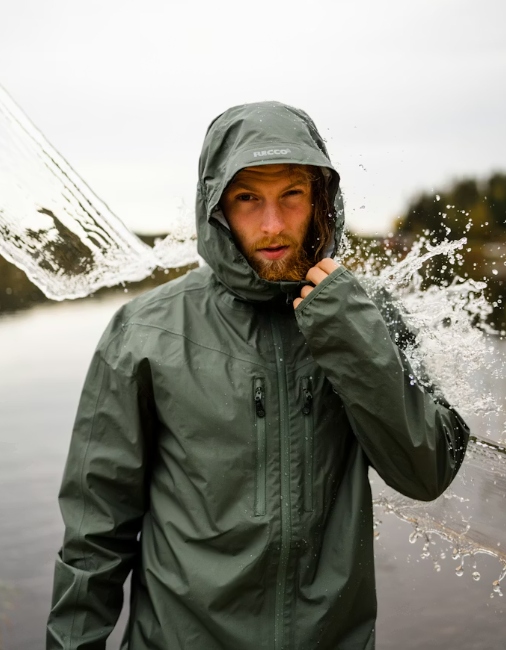
For a synthetic rainwear concept, verified records include 100% nylon shell and 100% polyester lining on selected outerwear. A buyer should ask how seams, closures, and finishing support the intended water-resistance statement and request the relevant test evidence before publication.
The project data does not verify a universal waterproof rating, seam-tape construction, or hydrostatic-head result, so those details remain supplier-validation items.
The documented OEM/ODM workflow moves through inquiry, material procurement, counter or fit samples, pre-production approval, and production inspection. Compare hand feel, fit, seam execution, closure function, and measurements against the brief. This keeps a trench coat vs raincoat decision grounded in evidence.
How Can INVIDIA TEXTILE Customize a Trench Coat or Raincoat Range?
Our Custom Fabric, Fit and Branding Scope
At INVIDIA TEXTILE, we can discuss custom trench coat and rainwear programs around size, color or Pantone reference, fabric, style, labels, and logos. We welcome an original design or a clear market concept and use the agreed brief to organize sample development. Our products can be discussed as a defined specification rather than a generic style name.
From Rainwear Brief to Approved Sample
We support a workflow from inquiry and material preparation through counter or fit samples, pre-production approval, and inspection. For a trench coat vs raincoat comparison, we can keep the shell, lining, fit, and construction questions visible during development. INVIDIA TEXTILE focuses the handoff on the approved sample and the production details confirmed by the brand.
FAQ
Q: Is a Trench Coat vs Raincoat Choice Automatically Decided by Rain?
A: No. The better option depends on the shell, lining, closures, seams, fit, layering needs, and verified performance required by the target market. A garment name alone does not establish waterproof performance.
Q: Is a Mid–Length Trench Coat a Practical Rainwear Option?
A: It can balance coverage and movement, but the finished length, ease, fabric, closures, and intended use should be confirmed through the target fit and sample review. It is a design option, not a universal performance guarantee.
Q: What Is the Difference Between a Mini Trench Coat Women Can Wear and a Relaxed Trench Coat for Women?
A: A mini trench coat women can wear prioritizes a shorter proportion, while a relaxed trench coat for women prioritizes ease and layering. Both should be graded and sampled for the target customer, with construction and weather claims checked separately.
