
 +86-13634185427

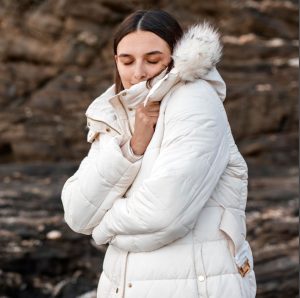
600 vs 700 vs 800 vs 900 Fill Power: What Does It Mean?


For a brand building insulated outerwear, down fill power is a useful starting point, but not a complete warmth score. Higher loft can support lighter, more compressible products, yet the finished result also depends on fill weight, baffle design, shell, lining, fit, and weather protection. This guide explains how to compare 600, 700, 800, and 900 claims and turn the comparison into a down jacket brief.
What Does Down Fill Power Measure?
Loft, Volume and Warmth: What the Number Actually Tells Buyers
Fill power describes how much space a standard amount of down occupies after it lofts. More loft means more air can be held within the insulation, which is why a higher down fill power can help a product reach a light and packable design target. It does not, on its own, state the temperature range a wearer will experience. A buyer still needs to know how much down is used and where it is placed.

Why 600, 700, 800 and 900 Are Not the Whole Specification
Two down jacket models might display the exact same down fill power label. However, they can still feel quite different to the user. This variation happens because they feature unique fill weights and compartment sizes. In addition, their stitching, hem coverage, and overall fit play a major role in the final product. The outer shell controls how well the garment handles wind and moisture. Meanwhile, the inner lining directly impacts daily comfort and physical movement. Furthermore, the design pattern decides how effectively the insulation stays close to the body. As a result, a complete product specification needs to provide a full picture. It must clearly list the shell, the lining, and the filling composition. Finally, it should detail the construction methods alongside the intended target use.
Project product records illustrate this separation. Several down jacket styles use a nylon shell, a polyester lining, and a 90/10 down-and-feather filling. Those fields describe the product construction, but they do not prove a particular fill-power grade. Keeping the fields separate makes supplier comparisons clearer.
How Do 600 vs 700 vs 800 vs 900 Fill Power Jackets Compare?
600 vs 700 Fill Power: Entry and Everyday Briefs
When a buyer compares 600 and 700, the most defensible distinction is relative loft, not an absolute warmth promise. A 700 specification may help a design team pursue a lighter package for a given insulation target, while a 600 specification may suit a brief where overall cost, durability, or a particular hand feel carries more weight. The result still depends on fill quantity and garment architecture.
For an everyday range, request the claimed rating, fill weight by size, down-to-feather ratio, and compartment construction. Review sample measurements instead of assuming the larger number automatically creates a better product.
800 vs 900 Fill Power: Premium Loft and Verification Questions
An 800 or 900 claim should prompt more questions, not fewer. Ask which test method and conditioning were used, whether the number applies to the raw down or finished garment specification, and how the fill weight changes across sizes. Confirm that the supplier can maintain consistency in the approved material and in production. Without those checks, a high label may be difficult to compare across quotations.
The available project records do not verify 800- or 900-fill-power test results, temperature equivalence, or a guaranteed price premium.
Those points remain open until a supplier provides comparable evidence. A premium down jacket should be judged on the complete brief.

Fill Power vs Fill Weight and Garment Design
Fill power and fill weight answer different questions. Fill power describes the loft potential of the down; fill weight tells the team how much insulation is actually inside a garment. Baffle height, stitch-through or other construction choices, hood and hem design, and the intended ease all influence the final balance between warmth, bulk, and mobility.
Two down jacket samples with a similar rating can occupy different positions in a range. A clear tech pack records each variable so a buyer can compare like with like.
Down-Filled vs Polyester-Fill Jackets: Which Brief Fits the Market?
Moisture, Care and Use-Case Trade-Offs
The down vs polyester fill jacket decision should start with the intended climate, care expectations, price position, and aesthetic. Down can support a light, lofty concept when the specification and construction are controlled. Polyester fill offers a different route for brands that prioritize a consistent synthetic filling format or a particular care and cost strategy. Neither option is automatically right for every market.
Shell, Lining and Target Climate
When you make a down vs polyester fill jacket comparison, the outer and inner fabrics matter a lot. They truly shape your final decision. A proven down jacket usually features a pure nylon shell. Furthermore, a down-filled item has a lining made entirely of polyester. On the other hand, the padded polyester option relies on polyester for both the outside and the inside. Many chosen garments are marketed as breathable, water-resistant, or windproof. However, buyers need to verify these claims carefully. These details must match the specific fabric and the exact construction approved for the order.
For each down jacket, specify shell, lining, filling composition, color, size range, silhouette, closures, labels, and logos. This avoids presenting down-filled insulation as a substitute for an engineered outer layer.
How Should Brands Specify a Down Jacket?
Request Fill-Power, Fill-Weight and Construction Data
Ask every supplier to state the claimed down fill power, fill weight by size, down-to-feather ratio, shell and lining composition, compartment layout, and tested fabric claims. If a supplier cannot document the rating method, mark the figure as unverified.
The brief should identify the target customer, layering, packed volume, color standards, size markets, and branding details. Project records confirm customization of sizes, colors or Pantone references, fabrics, styles, labels, and logos.
Use Sampling and Inspection to Confirm the Final Brief
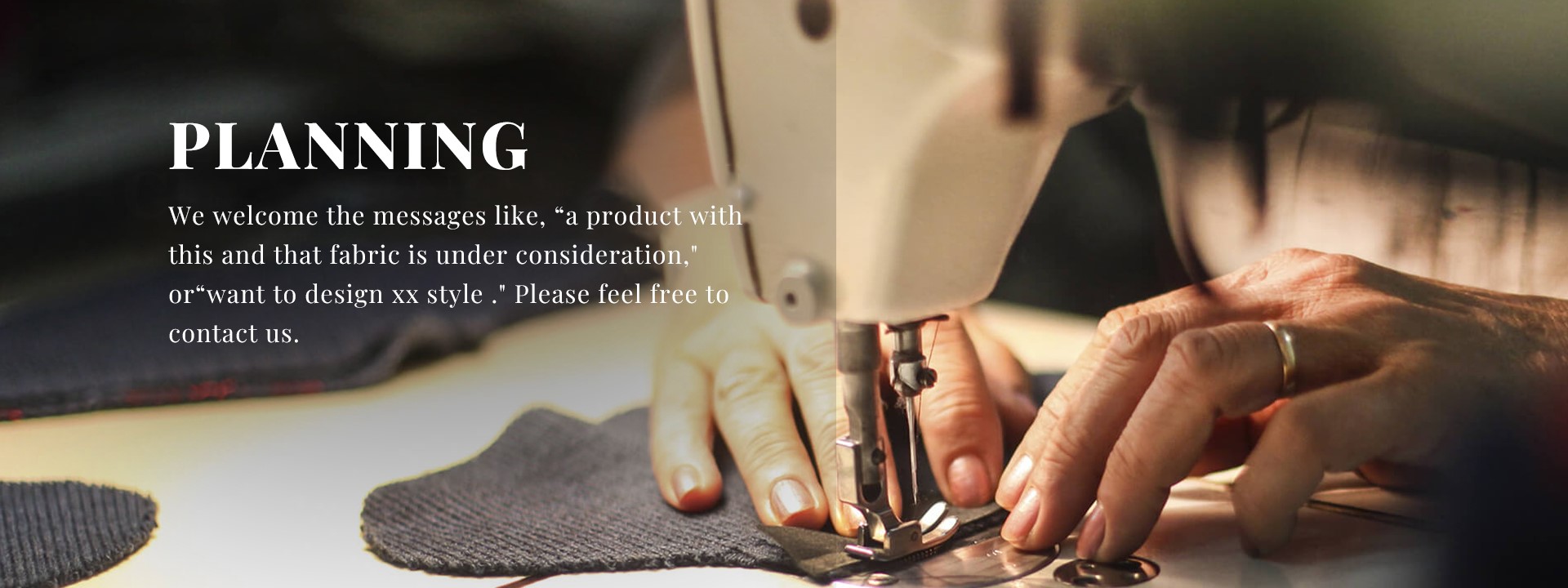
Sampling turns a paper comparison into a product decision. The documented OEM/ODM workflow moves from inquiry and material procurement to counter or fit samples, pre-production samples, and production inspection. During review, compare loft appearance, hand feel, fit, seam execution, closures, and measurements against the approved tech pack. Record any change in filling, fabric, or construction before bulk approval.
This process is especially important when a down jacket is positioned around a high down fill power claim. A sample can reveal whether the intended silhouette and mobility are achieved.
How Can INVIDIA TEXTILE Support a Custom Down Jacket Program?
Our Customization Scope for Down and Padded Outerwear
At INVIDIA TEXTILE, we can discuss custom down jacket and padded outerwear programs around size, color or Pantone reference, fabric, style, labels, and logos. We welcome an original design or a clear product concept, then match the material discussion to the intended market. Our role is to help turn a measurable insulation brief into a sample-ready product.
From Material Brief to Approved Sample
We follow a development path that covers inquiry, material preparation, counter or fit sampling, pre-production approval, and inspection. For a down-filled brief, we can review the requested composition and construction fields with the wider garment specification. INVIDIA TEXTILE keeps the conversation focused on the approved sample and the details required for production.
FAQ
Q: What Does Down Fill Power Mean?
A: It describes the loft or volume produced by a given amount of down. Read it together with fill weight, construction, shell, lining, fit, and intended use; the number alone is not a complete warmth guarantee.
Q: Is 900 Fill Power Automatically Warmer Than 600?
A: No. A higher down fill power can indicate greater loft potential, but actual warmth also depends on how much insulation is used and how the garment is designed. Ask for the complete specification and comparable samples.
Q: When Should a Brand Choose Down Versus Polyester Fill?
A: Compare the climate, care expectations, cost position, and construction required by the range. A down vs polyester fill jacket decision should be validated through samples and inspection, whether the final product is down filled or polyester filled.
