
 +86-13634185427

Softshell vs Hardshell Fabrics: Breathability, Weather Protection, and Best Uses


What Defines Softshell and Hardshell Fabrics?
How Are Softshell and Hardshell Fabrics Constructed?
When exploring what softshell fabric is and what hardshell fabric is, the difference starts with their construction. Softshell fabrics usually consist of woven materials. These materials include stretch fibers. The fibers improve flexibility. They also boost breathability. The fabrics often carry a durable water-repellent finish. This finish lets moisture bead off the surface. At the same time, it keeps airflow steady. The result suits active pursuits where good ventilation matters more than full waterproofing.
Hardshell fabrics depend on laminated membranes or coatings. Examples include polyurethane or ePTFE. These layers create complete waterproof protection. The layers bond to outer textiles through advanced lamination. The process forms a barrier. The barrier stops water from entering even under high pressure. The built-in rigidity of hardshells delivers strong defense against harsh weather. Yet it reduces elasticity when compared with softshells.
These construction differences shape comfort, flexibility, and weather resistance. A softshell woven structure supports easy movement and air exchange. A hardshell multilayer membrane delivers maximum protection from rain and wind.
Key Characteristics of Each Fabric Type
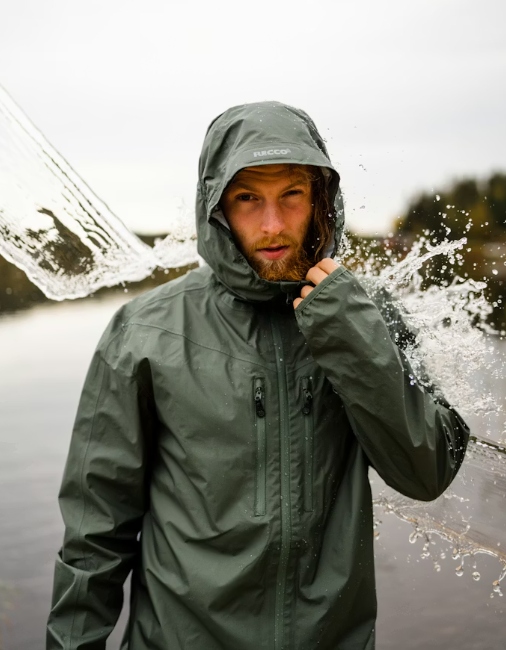
Softshells focus on comfort, breathability, and moderate weather protection. Their stretchable build allows free movement during hiking, climbing, or cycling. Hardshells focus on durability, waterproofing, and windproof performance. These qualities matter most for alpine trips or wet climates.
Material technology also shapes weight and feel. Softshells often feel heavier yet cozier because of brushed interiors that hold warmth. Hardshells stay lighter but stiffer due to their laminated build. This softshell-hardshell difference sets their roles in outdoor layering systems.
Breathability vs Weather Protection: Which Performs Better?
How Does Breathability Differ Between the Two?
Softshell fabrics handle moisture well during physical activity. Their open weave lets perspiration vapor escape quickly. The wearer stays dry inside. This explains why softshell fabric properties suit aerobic work like trail running or mountaineering in mild conditions.
Hardshell materials trade some breathability for full external protection. Modern membranes contain tiny pores that allow limited vapor to pass. Even so, they cannot match the ventilation of softshells. When comparing softshell vs hardshell, the choice hinges on whether internal comfort or external defense comes first.
Ventilation and shielding must balance with activity level and weather exposure. Higher effort favors softshells. Heavy rain calls for hardshells.
Comparing Weather Resistance in Harsh Conditions
Hardshell jackets give strong defense against rain, snow, and wind. Sealed seams and solid membranes make this possible. Many designs pass strict tests for extreme settings. When it comes to the fabrics and accessories of our seam-taped clothing, we conduct thorough water pressure and fastness tests upon receipt. These steps confirm that waterproof performance meets the standards needed for outdoor use.
Softshells handle light rain but may soak through after long exposure. They work best alone in cool, dry weather or as mid-layers under a hardshell in storms. Layering both types improves flexibility across changing conditions. This offers a practical answer for unpredictable weather.

Comfort, Flexibility, and Noise: Everyday Wear Considerations
Why Do Many Prefer Softshells for Daily Activities?
Softshell jackets are ideal for daily use because of their soft feel and quiet movement. The flexible fibers follow body motion naturally. They offer better mobility than rigid shells. Their breathable design cuts the chance of overheating during commutes or easy hikes.
Perfect outdoor coat for working, traveling, hiking, daily life, or festivals. This description shows how softshell garments work. They mix technical performance with everyday versatility. The low rustling noise during walking also adds comfort over long periods.
When Does a Hardshell Become the Better Option?
A hardshell proves essential on alpine trips or in sudden mountain weather where moisture control is vital. Its solid barrier blocks snowstorms or driving rain. It also keeps the wind out completely.
As an outer layer over insulating pieces like fleece or down jackets, it builds an effective system for cold extremes. In such cases, like hardshell vs softshell jacket setups, the hardshell serves mainly as protection rather than breathability.
Choosing the Right Fabric for Your Activity Needs
What Factors Should You Consider Before Buying?
Climate Conditions and Activity Level
In wet or snowy climates, hardshell protection matters because of its waterproof membrane design. Dry or cool places favor softshell versatility. The fabric balances insulation with airflow and avoids excess heat buildup.
Weight and Packability Requirements
Hardshell jackets usually weigh less but compress less easily than softshell options because of their laminated layers. Softshells may add a little weight yet deliver all-day comfort without constant layer changes. This trait helps on long treks where ease counts.
Maintenance and Durability Expectations
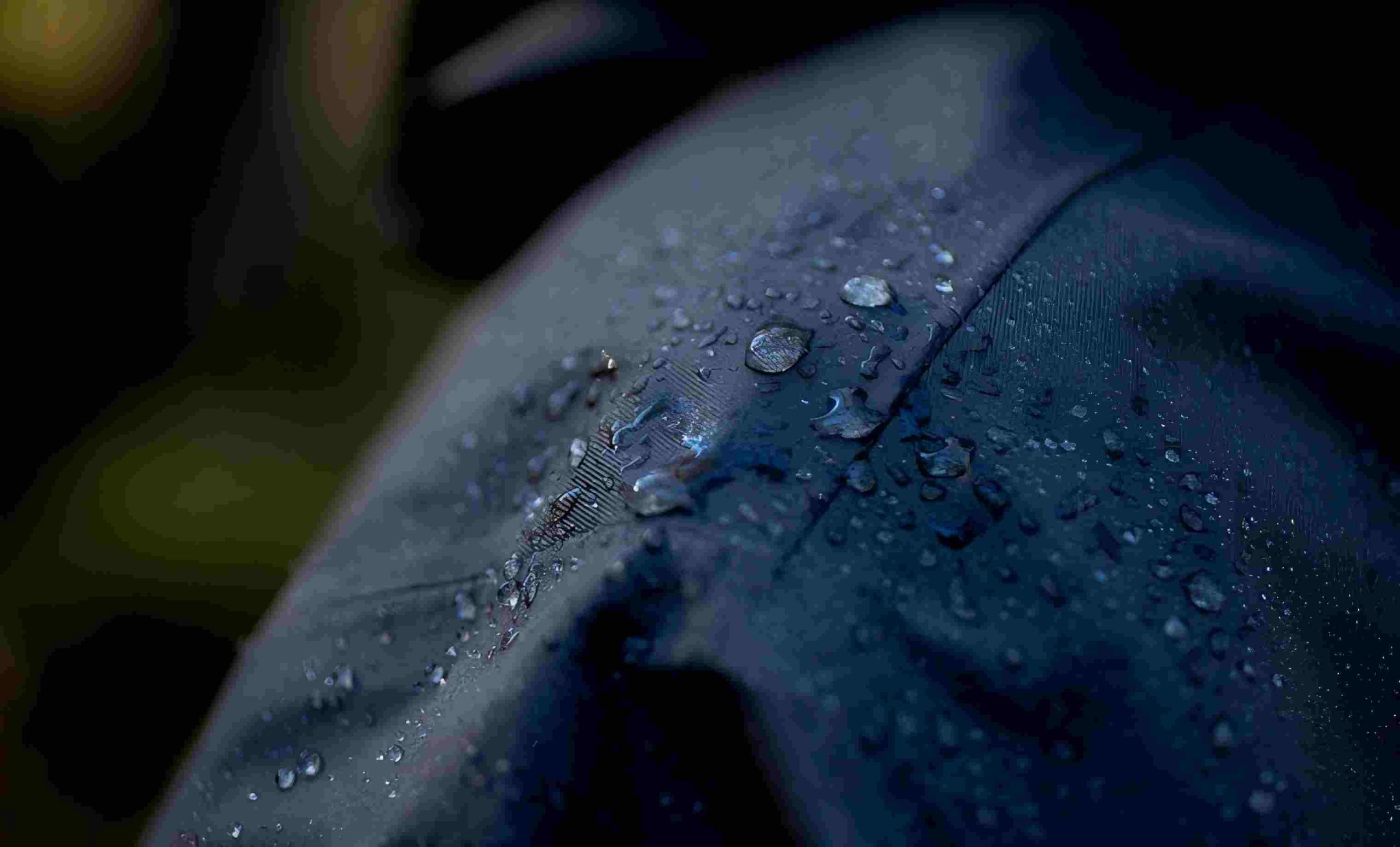
Maintenance needs differ between the fabrics. Hardshell coatings need periodic reproofing with DWR sprays to maintain waterproof performance. Softshell materials require regular cleaning with mild detergent to protect stretch and breathability.
INVIDIA TEXTILE: Innovation in Performance Fabrics
Advanced Fabric Solutions from INVIDIA TEXTILE
At INVIDIA TEXTILE, we focus on both softshell material and hardshell fabric made for technical performance apparel worldwide. For 15 years, INVIDIA TEXTILE has led as an OEM clothing partner. Our work covers custom outerwear. All come through our OEM & ODM services.
We add sustainable options such as eco-free bionic finishing. We keep durability high through careful craftsmanship across production lines. Skilled workers average 20 years of experience. Our lines use modern automated branded machinery. This setup supports steady quality from material choice to final check. It marks reliable outdoor apparel manufacturing.
Our fresh approach mixes breathability with lasting weather resistance. Brands seeking high-performance solutions under private labels worldwide can benefit.
FAQ
Q: Can I use a softshell jacket in heavy rain?
A: Softshell jackets resist light rain but are not fully waterproof. They can become saturated during prolonged exposure to heavy rainfall.
Q: Is a hardshell jacket too stiff for everyday wear?
A: While hardshell fabrics are less flexible than softshells (verschil softshell en hardshell), newer designs improve comfort without losing weather resistance through advanced lamination techniques.
Q: How do I clean my hardshell or softshell jacket properly?
A: Use mild detergent without fabric softeners. Wash on gentle cycles and air dry to preserve membrane integrity and water-repellent coatings. This helps maintain both flexibility in softshell vs hardshell pants applications and longevity across all garment types.
