
 +86-13634185427

Waterproof vs Water-Resistant Rain Jackets: Which One Actually Keeps You Dry?


What Makes a Rain Jacket Waterproof or Water-Resistant?
How Do Waterproof and Water-Resistant Fabrics Differ?
Waterproof fabrics and water-resistant ones vary in how they handle water. Waterproof types stop water from passing through at all. They use layers of film or tough coatings. These layers form a solid barrier. Such fabrics give strong protection when heavy rain hits. Water-resistant fabrics push back light moisture at first. They may soak up water after long exposure though. The difference comes from how makers build and treat each type. A tighter weave plus better coating leads to stronger resistance.
Fabric structure, sealed seams, and coating methods affect how a jacket handles wet weather. Materials with full layers and taped seams stop moisture from passing through needle holes. Jackets that rely on a surface coating alone deliver moderate protection. They also feel lighter and allow more air to pass through. You need to weigh both durability and comfort when choosing the best rain jacket material. Waterproof options deliver top protection. Water-resistant choices combine flexibility with solid airflow at the same time.
What Materials Are Commonly Used in Rain Jackets?
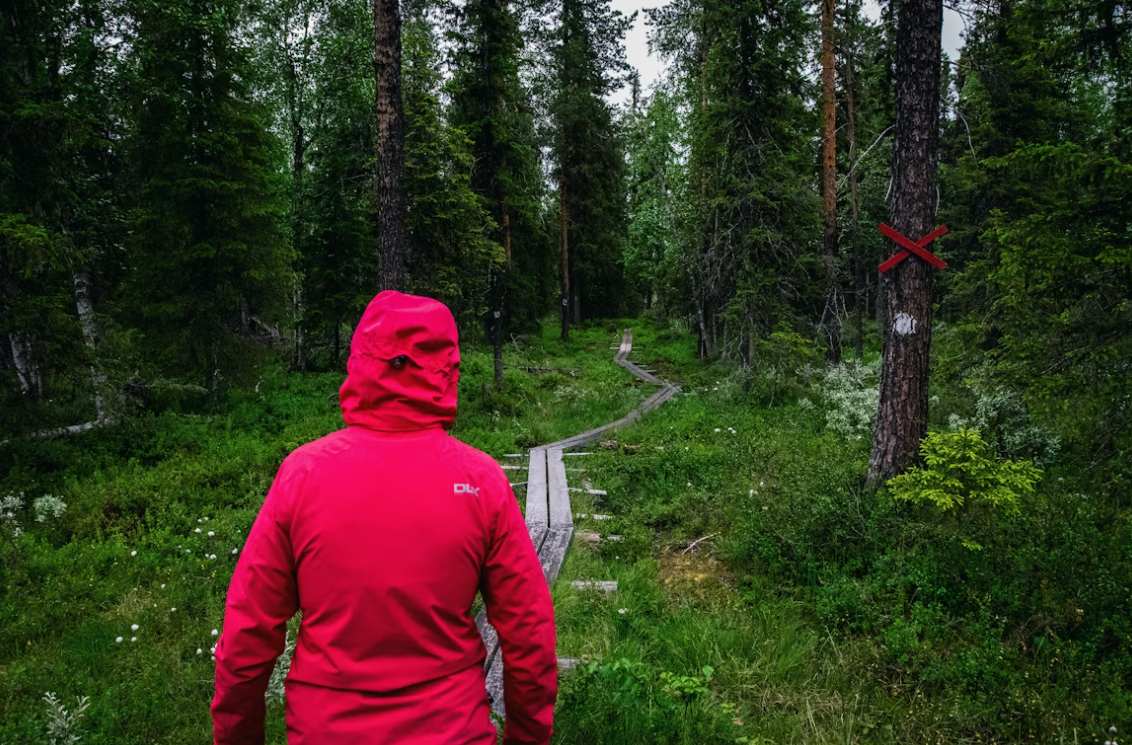
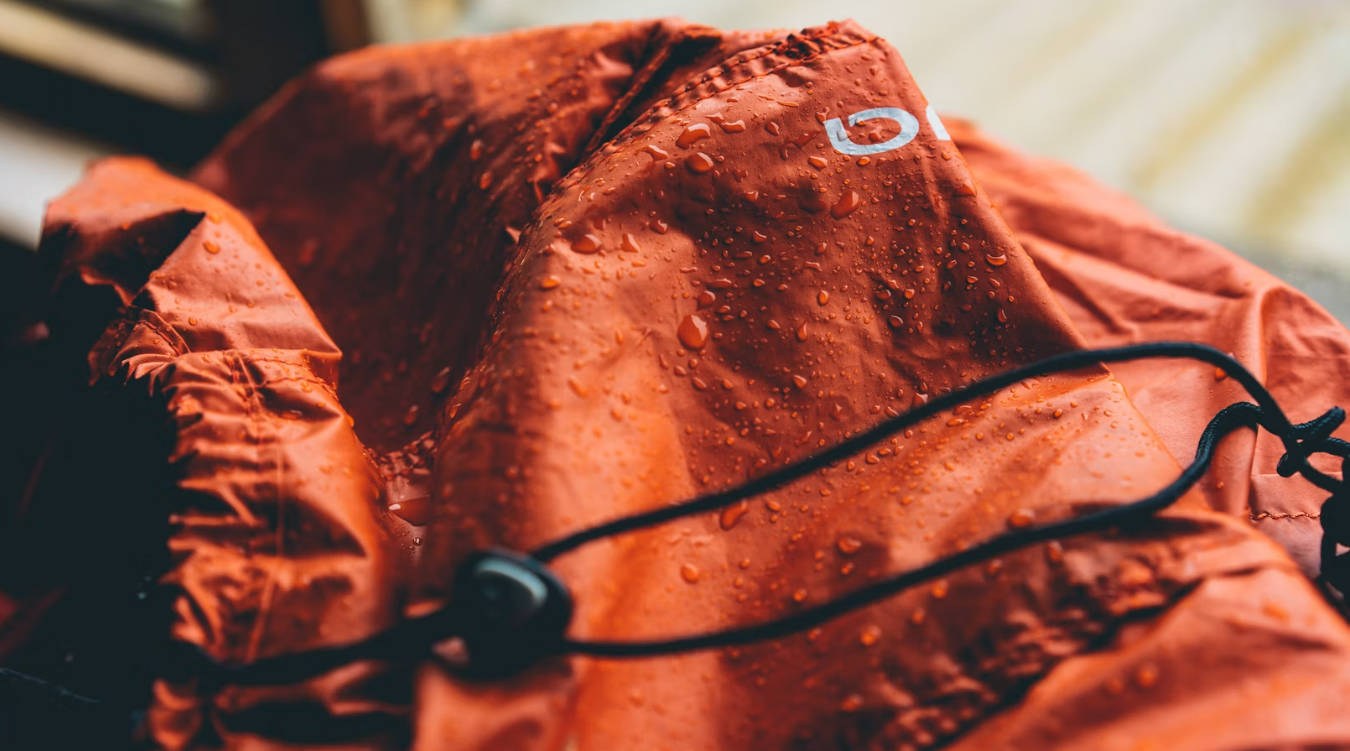
Many rain jackets these days depend on man-made materials such as nylon and polyester. The fabrics keep the jacket light. They also dry quickly and last a long time. Brands often apply a Durable Water Repellent finish. This step makes water form beads on the outside instead of soaking through. Premium waterproof jackets go a step further. They include polyurethane films or similar layers. These additions deliver full impermeability.
Breathability also depends on how layers sit inside the jacket. Two-layer and three-layer builds pair outer shells with inner linings. The linings pull sweat away while blocking outside water. This balance keeps users comfortable during activity without overheating. Hikers and commuters value this feature when they seek the best material for rain jacket performance.
How Does Construction Affect a Rain Jacket’s Performance?
The Role of Seams and Zippers in Keeping You Dry
A fabric may be waterproof yet still fail if the build is weak. Fully taped seams stop leaks at needle holes by placing heat-sealed tape over every seam. Water-resistant zippers cut leaks at pockets and front closures. These spots often let rain enter. Storm flaps add more cover by hiding zippers and blocking wind-driven rain.
Our advanced manufacturing uses seamless welding through ultrasonic machines. This method removes stitch lines altogether. It boosts local waterproof performance while keeping flexibility. The approach appears often in high-performance outerwear such as ski wear or hydrochromic rain jacket designs.
Why Ventilation Matters in Rain Jackets
Keeping rain and moisture out from the outside counts as important. At the same time, managing the humidity that builds up inside holds equal weight. Panels that allow air to pass or zippers placed under the arms help release built-up warmth and moisture from sweat. If a jacket lacks these, it might start to feel wet inside when you move around, even if it blocks water well.
Finding the right mix between keeping water out and allowing air in plays a big role in how comfortable you feel outside. A good rain jacket will protect you from rain while also dealing with sweat. People who hike or ride bikes often look for the right fabric in their rain jacket because of this.
Which Type of Rain Jacket Should You Choose for Different Conditions?
When Is a Waterproof Jacket the Better Option?
Waterproof jackets offer full protection during tough weather. This covers heavy rain or long hikes in shifting conditions. They weigh a little more due to multiple layers. Yet they keep the wearer dry even after hours in wet climates. People who head outdoors often benefit from this. So do those living in areas with lots of rainfall. A fully waterproof model suits them well.
When Is a Water-Resistant Jacket More Practical?
For light rain, brief outings, or moderate weather, a water-resistant jacket offers solid coverage without extra bulk. These jackets fold up with ease for travel or daily use. They often feature softer fabrics that allow better movement. They also help limit heat buildup in warmer months. This choice works well for people who prefer simple comfort over full protection.
Parents wondering how to choose the right kids rain jacket for daily use should look at lightweight water-resistant designs. Reflective details help with safety and adjustable cuffs add comfort during outdoor play.
How to Test If Your Rain Jacket Is Truly Waterproof?
Simple At-Home Tests for Jacket Performance
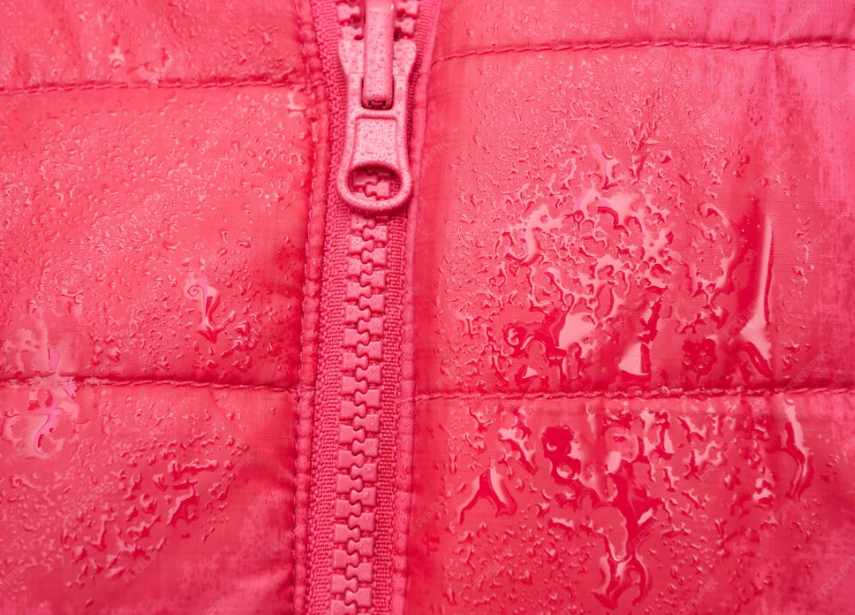
Sprinkle water on the surface. If drops bead up instead of soaking in, the DWR coating still works. Look at seams and zippers after short moisture contact. Any dampness inside points to weak areas. Run a shower test to mimic steady rain. If the inner lining stays dry after several minutes, the jacket keeps its waterproof strength.
These checks show whether reapplying DWR is needed before the next outing.
Caring for Your Rain Jacket: Extending Its Lifespan
How Often Should You Reapply Durable Water Repellent (DWR) Coating?
Friction and washing gradually reduce the DWR finish as time passes. Reapply the treatment every few months. Or do it when water no longer forms beads on the surface. Choose detergents made for technical outerwear. They protect the membrane yet leave the breathable pores open.
After washing, hang the jacket to air-dry. Keep it away from direct heat sources such as radiators. Excess heat may damage the waterproof layers. Good care extends the life of the garment. It also preserves both function and appearance.
INVIDIA TEXTILE: Innovation in Weather Protection Technology
At INVIDIA TEXTILE, we focus on high-performance materials that change how modern outerwear handles weather extremes. We create advanced coating systems that combine toughness with softness so garments stay comfortable yet strong under pressure.
When it comes to the fabrics and accessories of our seam-taped clothing, we run full water pressure and fastness tests on arrival. This step ensures every piece meets strict standards before production starts. Only fabrics that pass repeated 4000-unit pressure tests move on to mass manufacturing.
We can customize down/puffy jackets, trench coats/blazers, quilted/padded jackets, wool coats/sweaters, pu/shearling coats, rainwear/sporty coats according to client needs through our OEM & ODM services. Our hydrochromic rain jacket options show new print patterns when wet. This blends style with function for brands that want a unique look.
Our quality team checks every item with full inspections. They follow Oeko-Tex Standard 100 rules. This step helps ensure safety and steady quality across all lines. We create pieces for daily city use. We also build technical gear for mountain adventures. In each case we offer reliable solutions. These rest on careful craftsmanship.
FAQ
Q: What’s the difference between waterproof and water-repellent jackets?
A: Waterproof jackets use special layered films. These films stop water from getting through the fabric or seams. Water-repellent jackets handle light rain without trouble. They may soak through after long exposure though.
Q: Can I restore my rain jacket’s waterproofing after it starts leaking?
A: Yes. Reapply DWR spray or wash-in treatments every so often. This step helps restore surface repellency. If internal films get damaged so badly that repair is not possible, professional service may be needed.
Q: How do I know if my rain jacket is breathable enough?
A: Look for ventilation features like pit zips or mesh linings. If you stay dry inside during moderate effort without heavy sweating, the garment keeps a good balance between breathability and protection. This holds true even for magic print rain jacket designs that stress comfort along with creativity.
